Series
Let's Learn
54 episodes
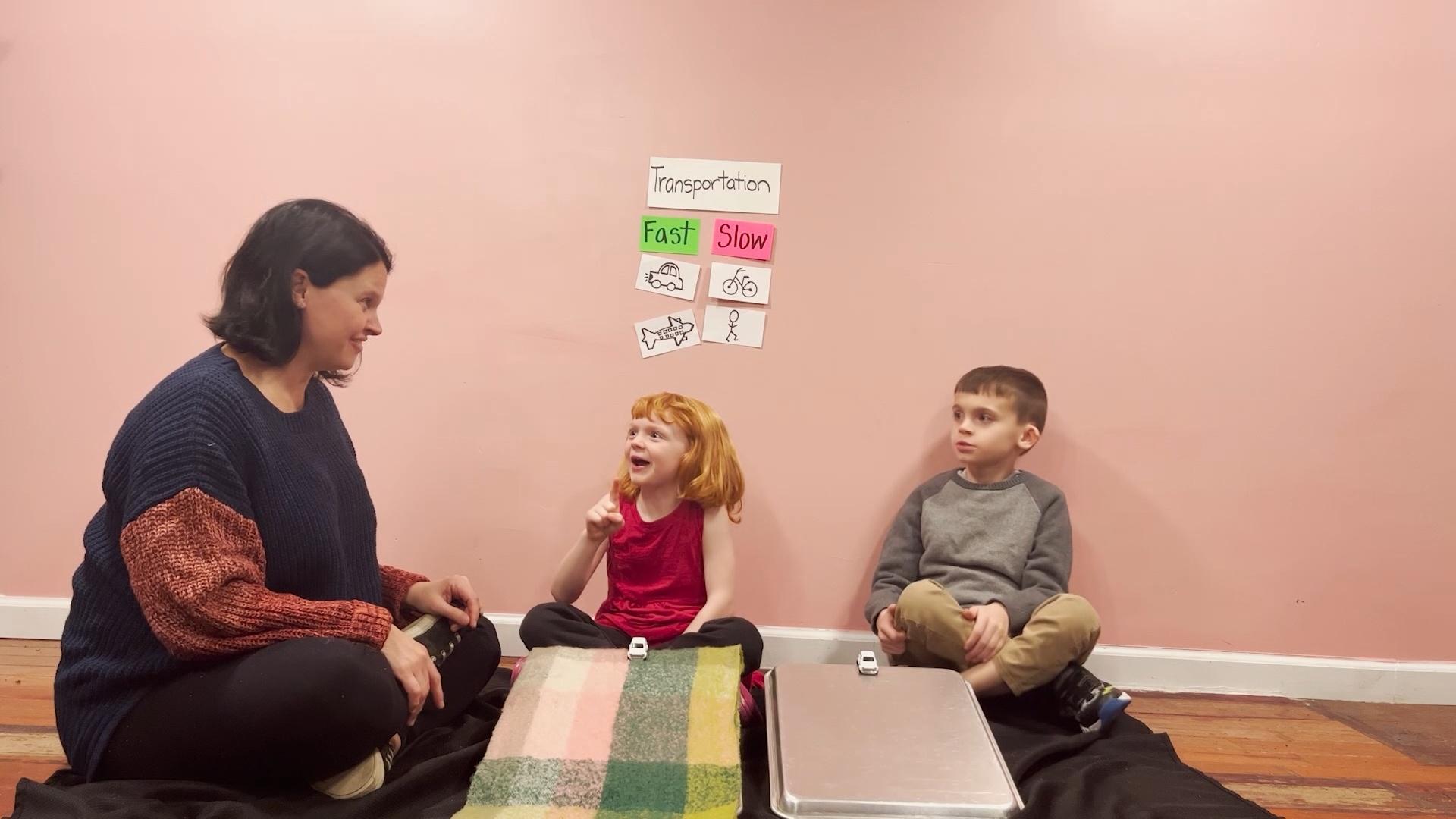
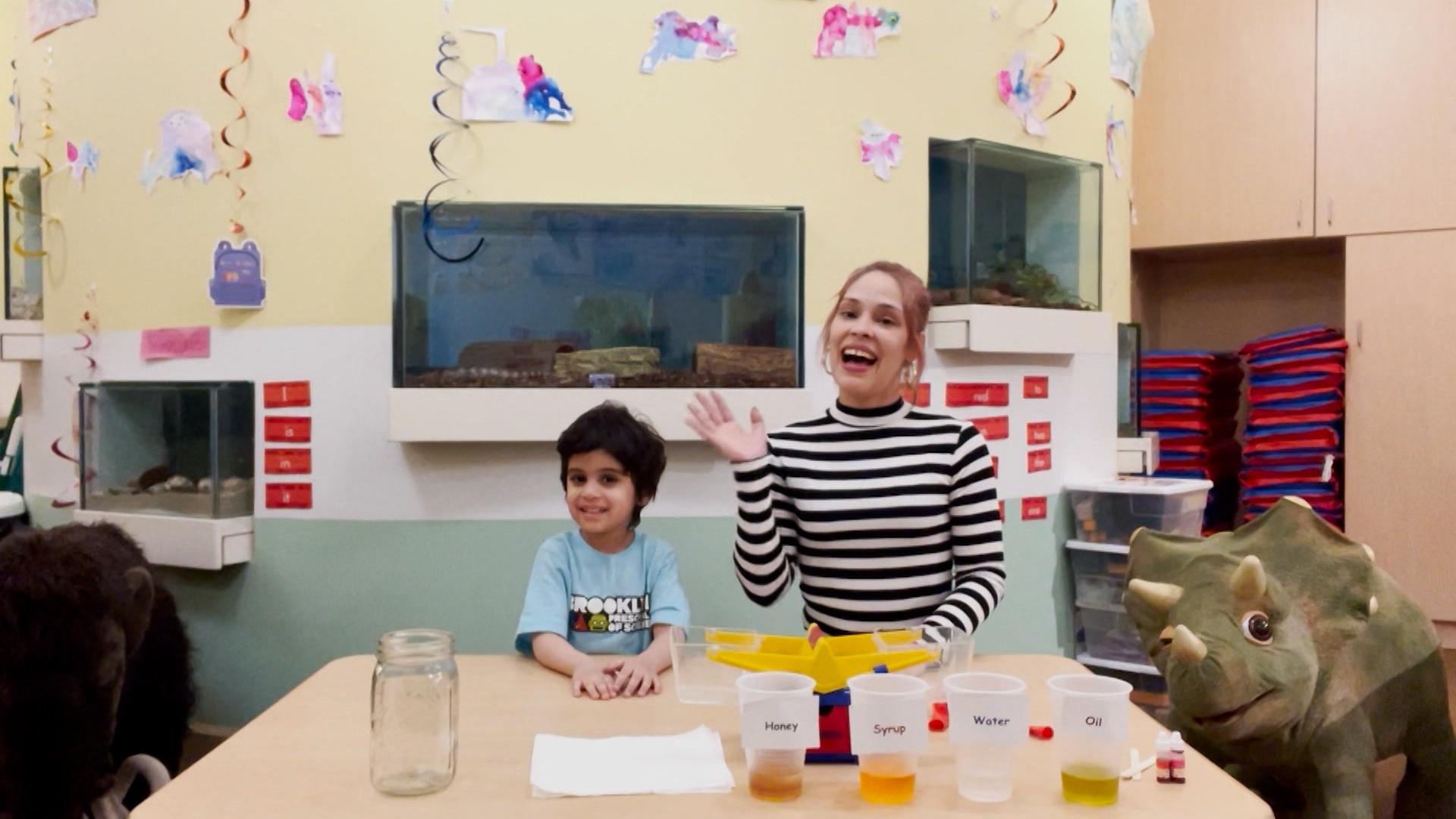
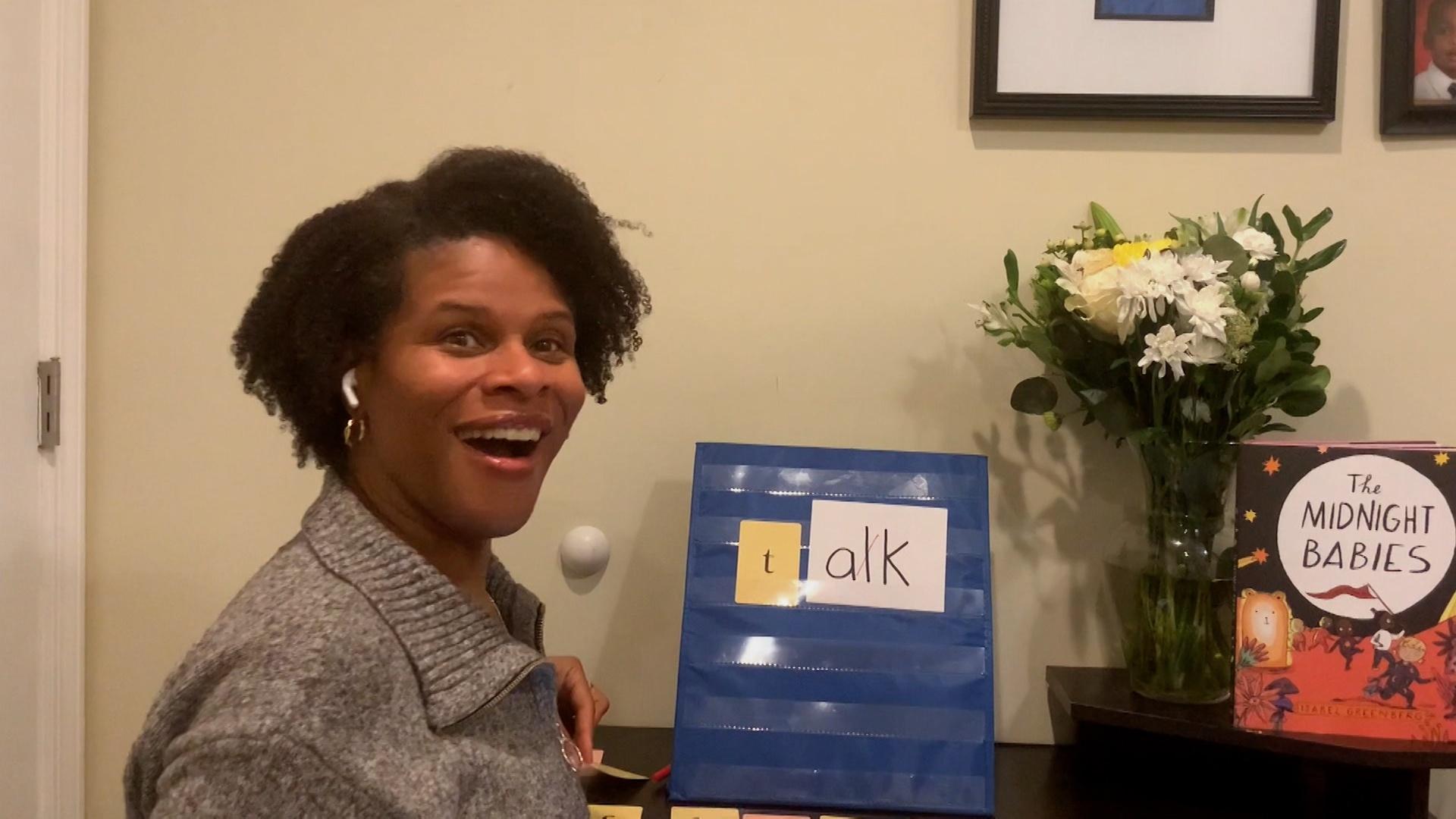
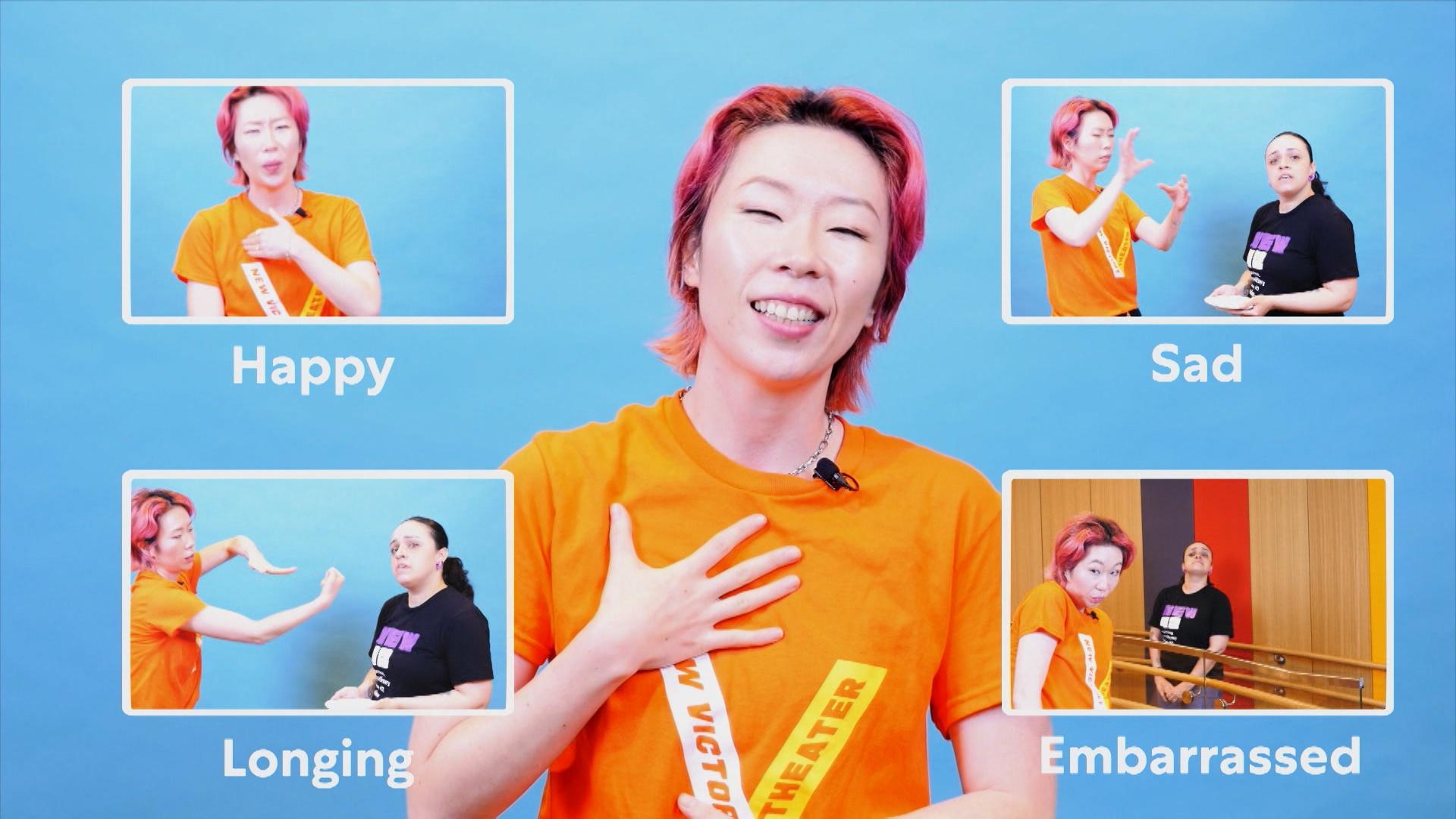
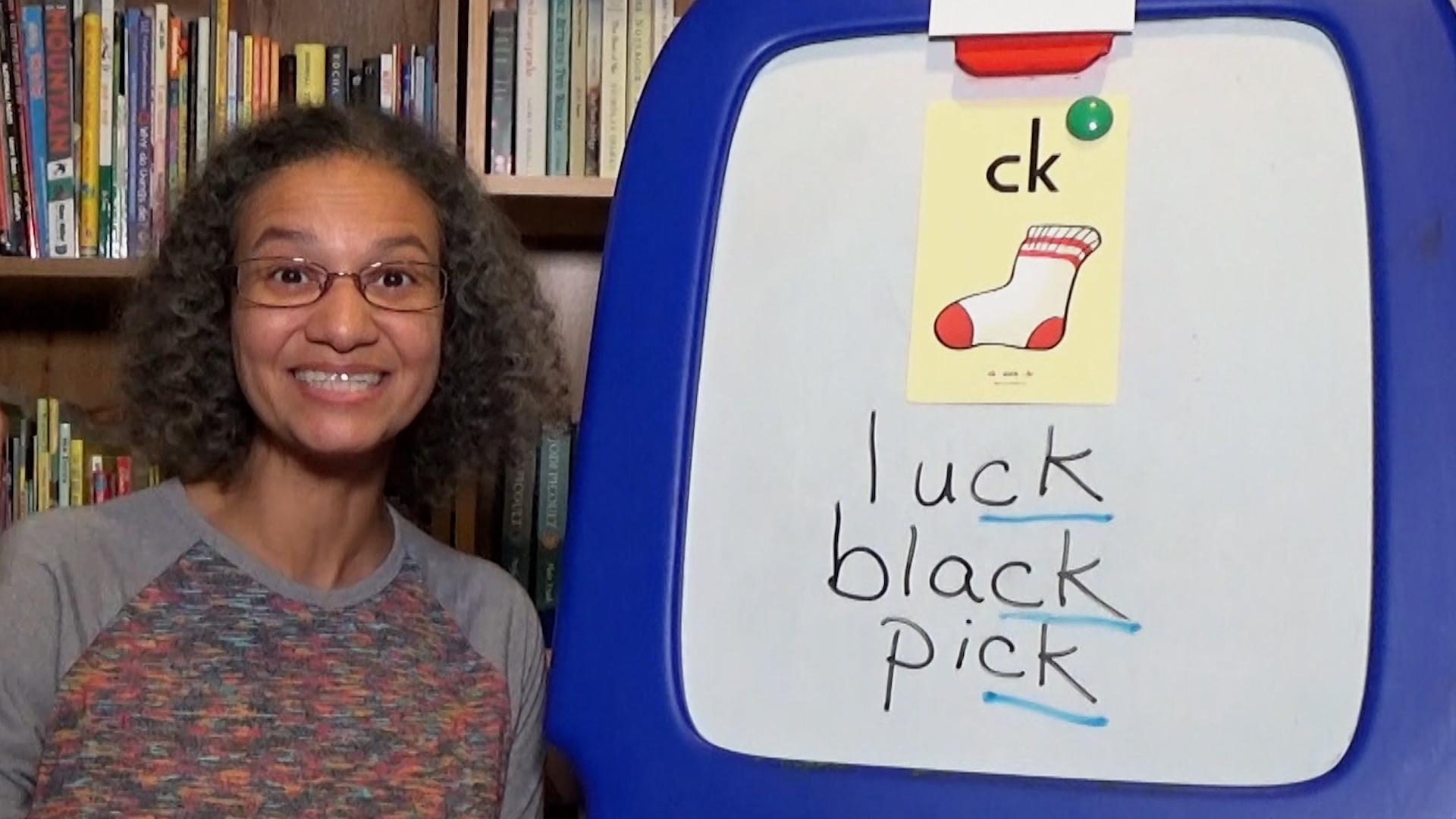
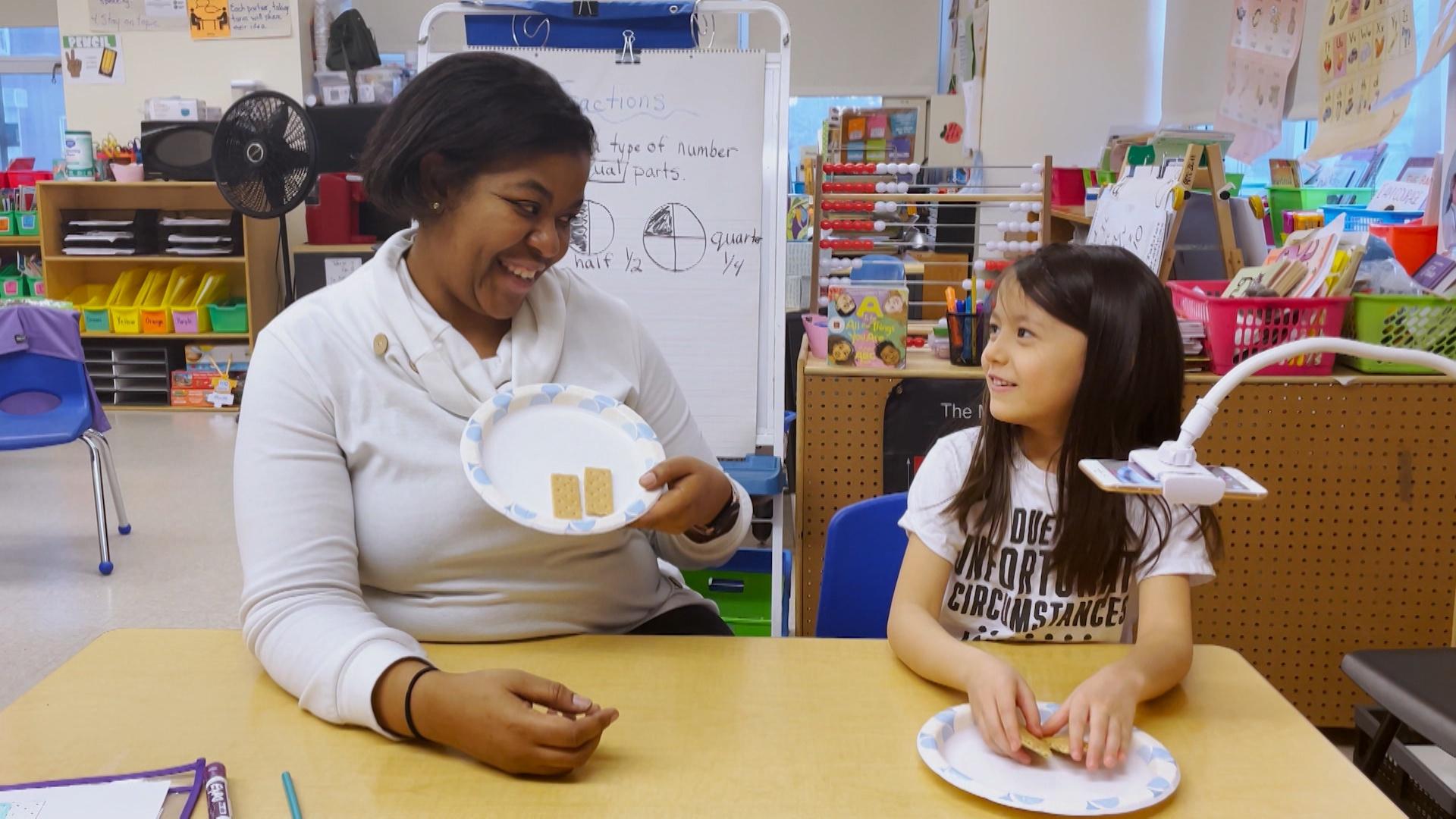
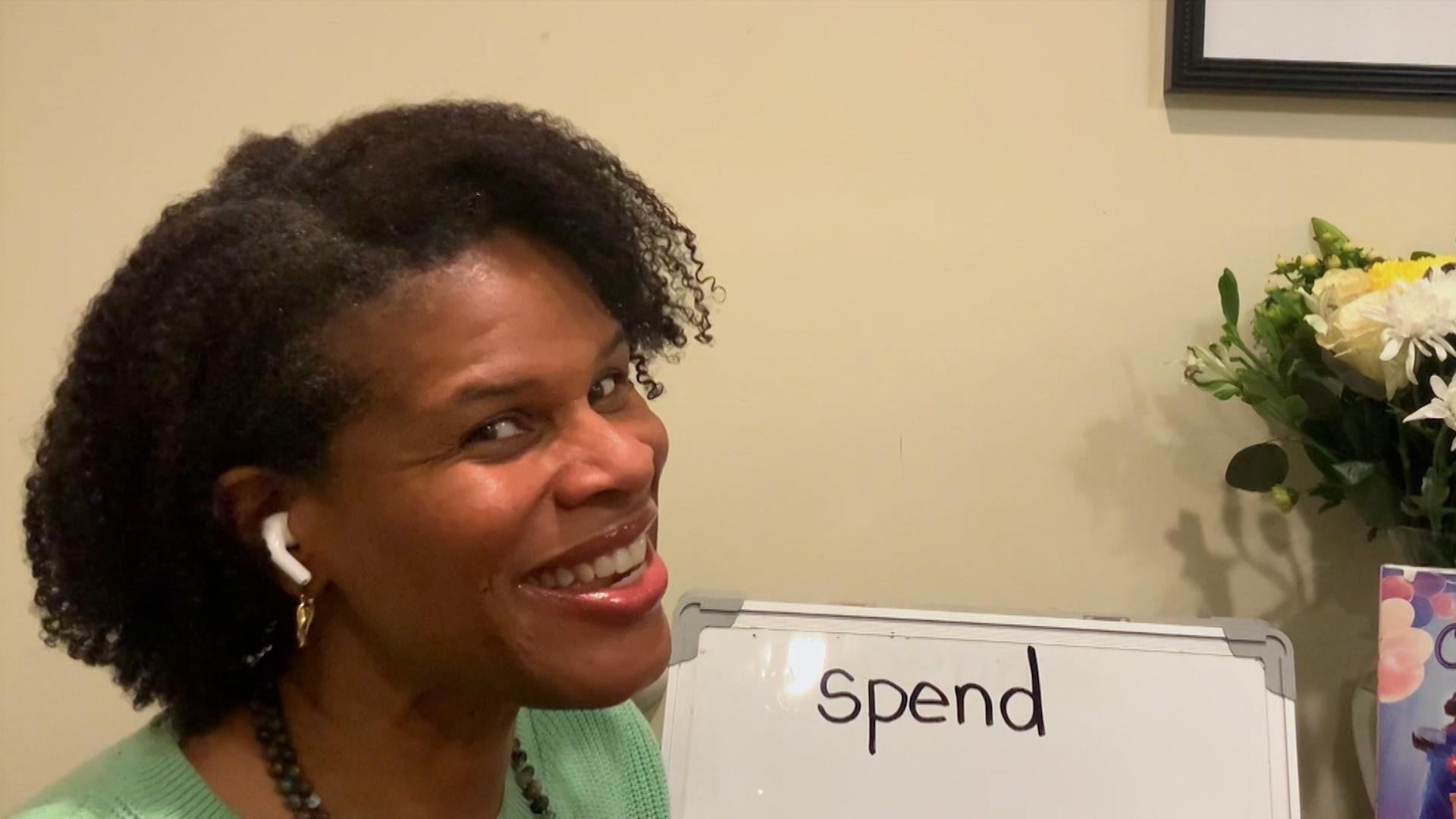
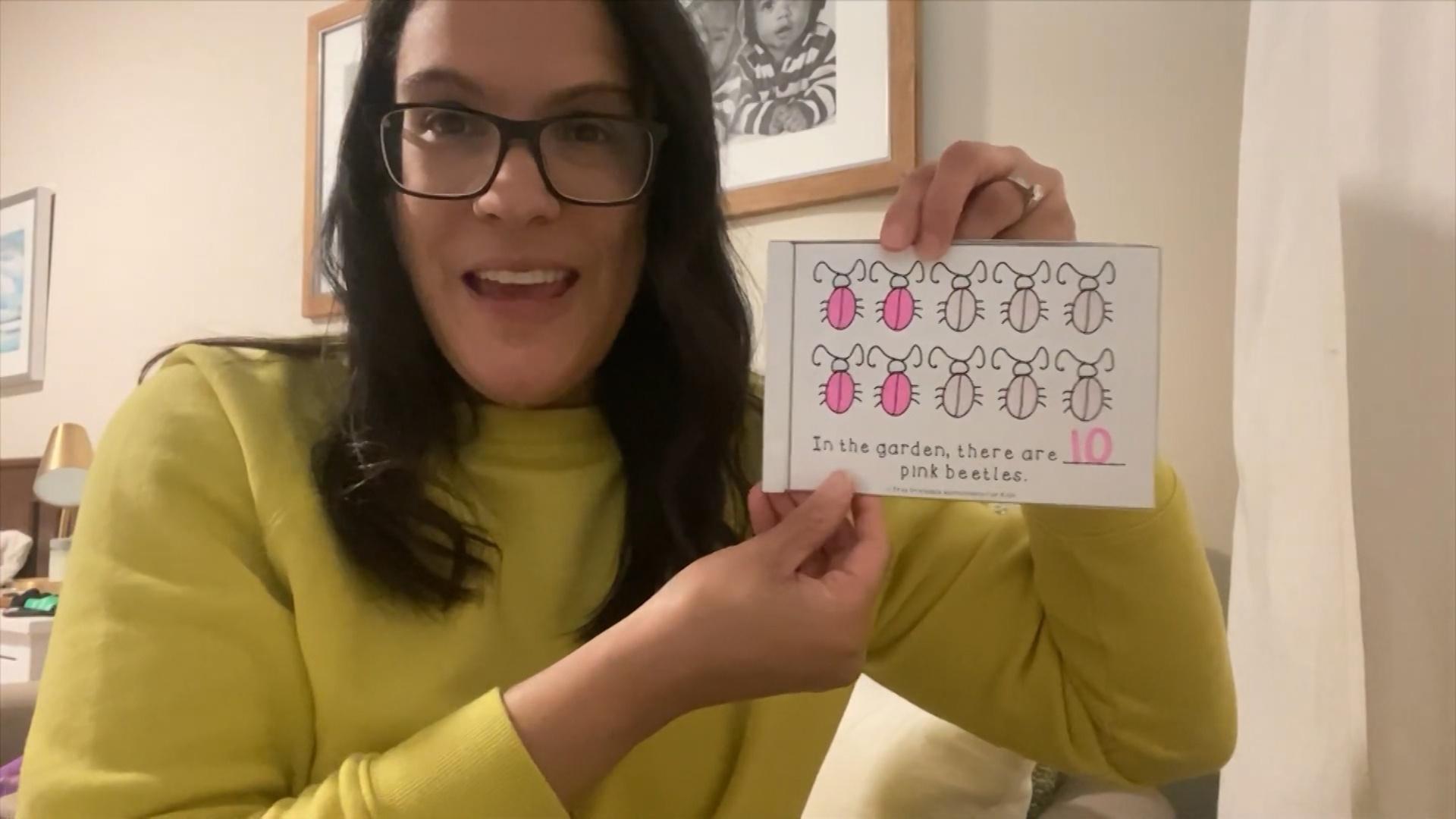
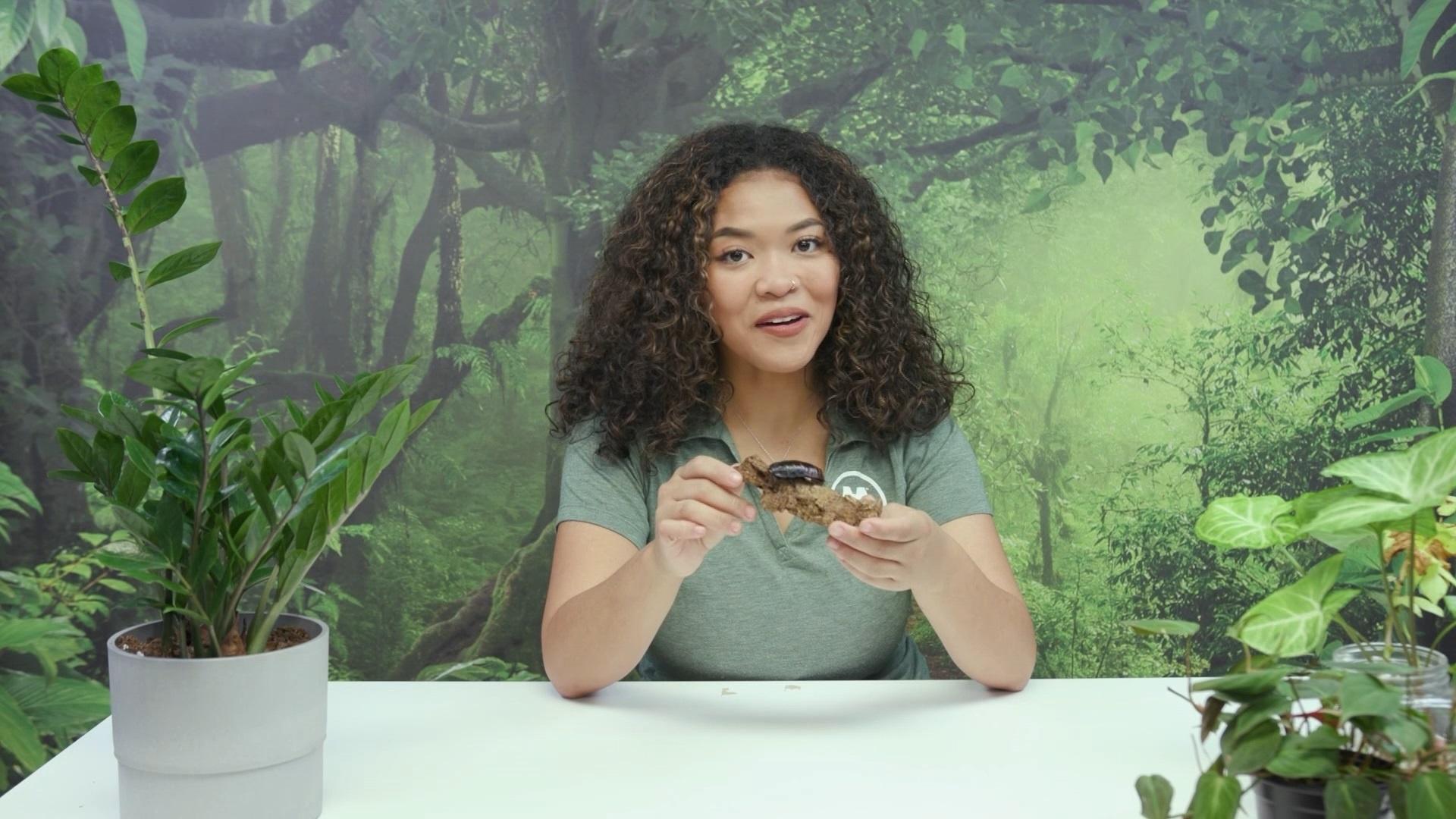
Standalone teaching segments spanning most of a primary day: phonics (blending sounds, the digraph ck, the complex vowel aw), math (comparing quantities, fact families, halves and fourths broken from graham crackers), hands-on science (cars on ramps, layered liquids, states of matter), read-alouds, virtual field trips to places like Cuba, and short movement or calming breaks such as belly breathing, dancing your feelings, and a bedtime stretch. Each one teaches a single skill and stops, so you can pull just the one you need. Best for PreK through third grade.

What Let's Learn covers
54 episodes in the library, tagged for Pre-K–3rd. Heaviest coverage: Reading & Writing (ELA), Social Studies and Math. Between them they line up with 65 distinct standards across 7 frameworks.
Episodes per grade
- Pre-K
- 23
- K
- 40
- 1st
- 52
- 2nd
- 40
- 3rd
- 1
Episodes per subject
- Reading & Writing (ELA)
- 15
- Social Studies
- 10
- Math
- 9
- Science
- 9
- Social-Emotional Learning
- 8
- Art
- 5
- Brain Breaks
- 5
- Music
- 3
- Health
- 2
- For Fun
- 1
NGSS (Science) 8
- 2-PS1-1Plan and conduct an investigation to describe and classify different kinds of materials by their observable properties.
- K-LS1-1Use observations to describe patterns of what plants and animals (including humans) need to survive.
- 1-PS4-2Make observations to construct an evidence-based account that objects can be seen only when illuminated.
- 1-PS4-3Plan and conduct an investigation to determine the effect of placing objects made with different materials in the path of a beam of light.
- 2-LS4-1Make observations of plants and animals to compare the diversity of life in different habitats.
- 2-PS1-4Construct an argument with evidence that some changes caused by heating or cooling can be reversed and some cannot.
+ 2 more
- 3-LS1-1Develop models to describe that organisms have unique and diverse life cycles but all have in common birth, growth, reproduction, and death.
- K-PS2-1Plan and conduct an investigation to compare the effects of different strengths or different directions of pushes and pulls on the motion of an object.
Common Core — Math 15
- 1.G.A.2Compose two-dimensional shapes or three-dimensional shapes to create a composite shape, and compose new shapes from the composite shape.
- 1.G.A.3Partition circles and rectangles into two and four equal shares, describe the shares using the words halves, fourths, and quarters.
- 1.OA.B.4Understand subtraction as an unknown-addend problem.
- 1.OA.C.6Add and subtract within 20, demonstrating fluency for addition and subtraction within 10.
- 2.G.A.3Partition circles and rectangles into two, three, or four equal shares; describe the shares using the words halves, thirds, half of, a third of, etc.
- 2.MD.C.8Solve word problems involving dollar bills, quarters, dimes, nickels, and pennies, using $ and ¢ symbols appropriately.
+ 9 more
- K.CC.A.1Count to 100 by ones and by tens.
- K.CC.A.3Write numbers from 0 to 20. Represent a number of objects with a written numeral 0–20 (with 0 representing a count of no objects).
- K.CC.C.6Identify whether the number of objects in one group is greater than, less than, or equal to the number of objects in another group.
- K.CC.C.7Compare two numbers between 1 and 10 presented as written numerals.
- K.G.B.6Compose simple shapes to form larger shapes.
- K.MD.A.1Describe measurable attributes of objects, such as length or weight; describe several measurable attributes of a single object.
- K.MD.A.2Directly compare two objects with a measurable attribute in common, to see which object has "more of"/"less of" the attribute.
- K.OA.A.3Decompose numbers less than or equal to 10 into pairs in more than one way, and record each decomposition by a drawing or equation.
- K.OA.A.4For any number from 1 to 9, find the number that makes 10 when added to the given number.
Common Core — ELA 14
- RF.1.3Know and apply grade-level phonics and word analysis skills in decoding words.
- RF.2.3Know and apply grade-level phonics and word analysis skills in decoding words.
- RL.K.7With prompting and support, describe the relationship between illustrations and the story in which they appear.
- RF.K.3Know and apply grade-level phonics and word analysis skills in decoding words.
- RL.1.1Ask and answer questions about key details in a text.
- RL.1.7Use illustrations and details in a story to describe its characters, setting, or events.
+ 8 more
- L.1.6Use words and phrases acquired through conversations, reading and being read to, and responding to texts.
- L.2.4Determine or clarify the meaning of unknown and multiple-meaning words and phrases based on grade 2 reading and content.
- RF.K.2Demonstrate understanding of spoken words, syllables, and sounds (phonemes).
- RL.1.3Describe characters, settings, and major events in a story, using key details.
- RL.1.4Identify words and phrases in stories or poems that suggest feelings or appeal to the senses.
- RL.2.7Use information gained from the illustrations and words in a print or digital text to demonstrate understanding of its characters, setting, or plot.
- RL.2.2Recount stories, including fables and folktales from diverse cultures, and determine their central message, lesson, or moral.
- RL.K.2With prompting and support, retell familiar stories, including key details.
Social Studies (C3 / NCSS) 11
- D2.Geo.2.K-2Use maps, graphs, photographs, and other representations to describe places and the relationships and interactions that shape them.
- D2.Geo.6.K-2Identify some cultural and environmental characteristics of specific places.
- D2.Civ.6.K-2Describe how communities work to accomplish common tasks, establish responsibilities, and fulfill roles of authority.
- D2.Geo.1.K-2Construct maps, graphs, and other representations of familiar places.
- D2.Civ.1.K-2Describe roles and responsibilities of people in authority.
- D2.Civ.14.K-2Describe how people have tried to improve their communities over time.
+ 5 more
- D2.Eco.5.K-2Identify prices of products in a local market.
- D2.Geo.7.K-2Explain why and how people, goods, and ideas move from place to place.
- D2.His.2.K-2Compare life in the past to life today.
- D2.His.3.K-2Generate questions about individuals and groups who have shaped a significant historical change.
- D2.His.9.K-2Identify different kinds of historical sources.
National Core Arts 8
- VA:Cr2.1.1Explore uses of materials and tools to create works of art or design.
- MU:Re7.2.1aWith limited guidance, demonstrate and identify how specific music concepts (such as beat or pitch) are used in various styles of music for a purpose.
- VA:Cr1.1.1Engage collaboratively in exploration and imaginative play with materials.
- MU:Cr1.1.1aWith limited guidance, create musical ideas (such as answering a musical question) for a specific purpose.
- MU:Pr4.2.1aWith limited guidance, demonstrate knowledge of music concepts (such as beat and melodic contour) in music from a variety of cultures selected for performance.
- MU:Pr4.3.1aDemonstrate and describe music’s expressive qualities (such as dynamics and tempo).
+ 2 more
- VA:Cn10.1.1Identify times, places and reasons by which students make art outside of school.
- VA:Cr1.2.1Use observation and investigation in preparation for making a work of art.
CASEL (Social-Emotional) 8
- CASEL.SA.1Name your own feelings and notice how they change during the day.
- CASEL.SM.1Manage strong emotions and impulses instead of acting on them right away.
- CASEL.SM.2Use calming and stress-management strategies (deep breaths, a break, asking for space).
- CASEL.SA.3Recognize your own strengths, interests, and the assets you bring from your family and culture.
- CASEL.SA.5Show self-confidence — believe you can do hard things and take on a challenge.
- CASEL.SA.6Hold a growth mindset: treat effort, practice, and mistakes as how ability grows.
+ 2 more
- CASEL.SM.3Show self-discipline and self-motivation — keep working when a task gets hard or boring.
- CASEL.SOA.2Demonstrate empathy and compassion for others.
National Health Education 1
- NHES.7.2.1Demonstrate age-appropriate observable health and safety practices.
Every episode is vetted and tagged before it goes in. Pick your state in the filters above to see your own state’s codes alongside these.
54 results
The ABCs of Musical Instruments
Let's Learn · 2020
K1st2ndAll About Cuba
Let's Learn · 2020
1st2ndAnimal Senses
Let's Learn · 2020
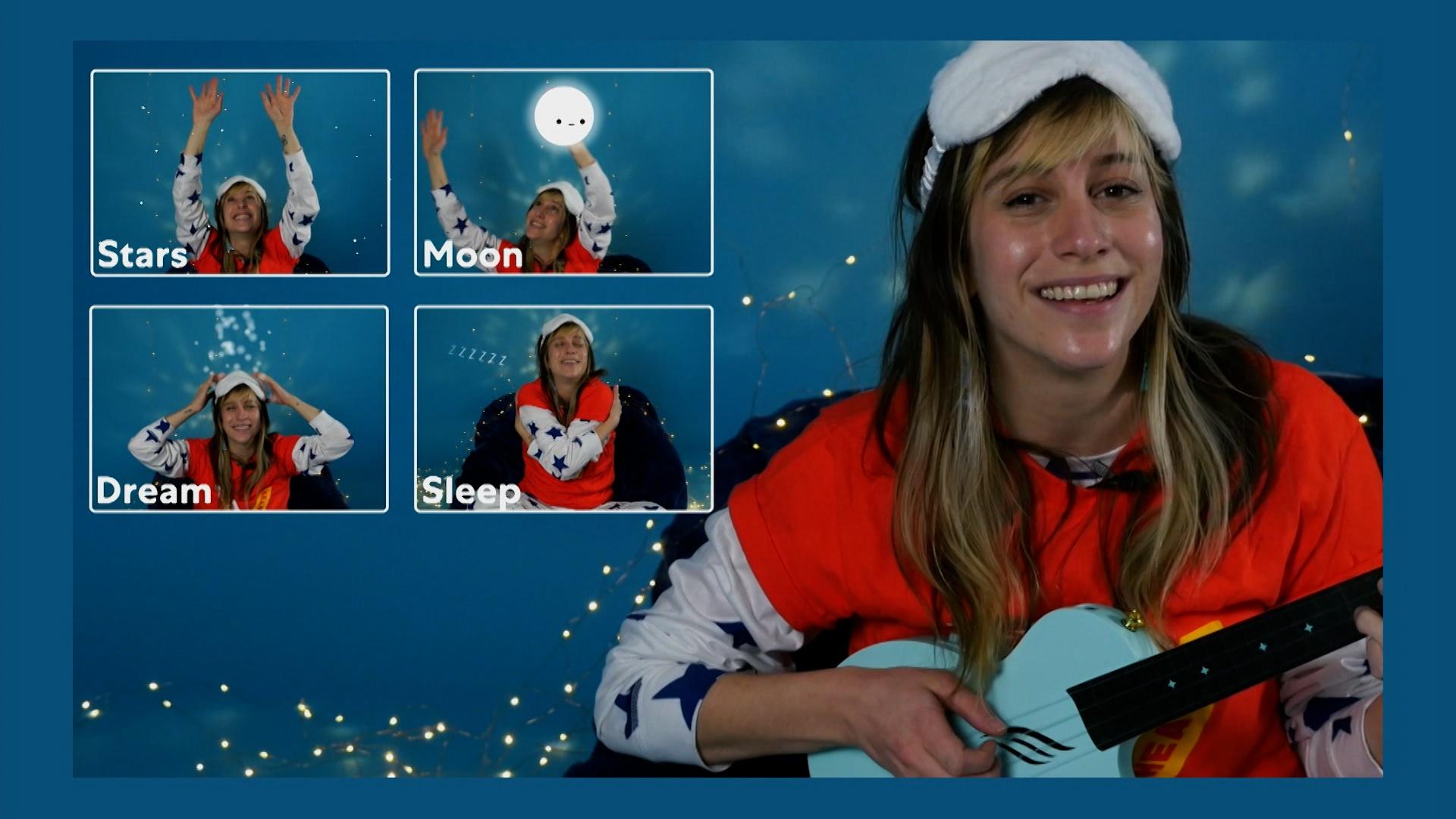
K1st2ndBedtime Stretch
Let's Learn · 2020
Pre-KK1st2ndBlend Sounds to Make Words
Let's Learn · 2020
Pre-KK1stBody Percussion
Let's Learn · 2020
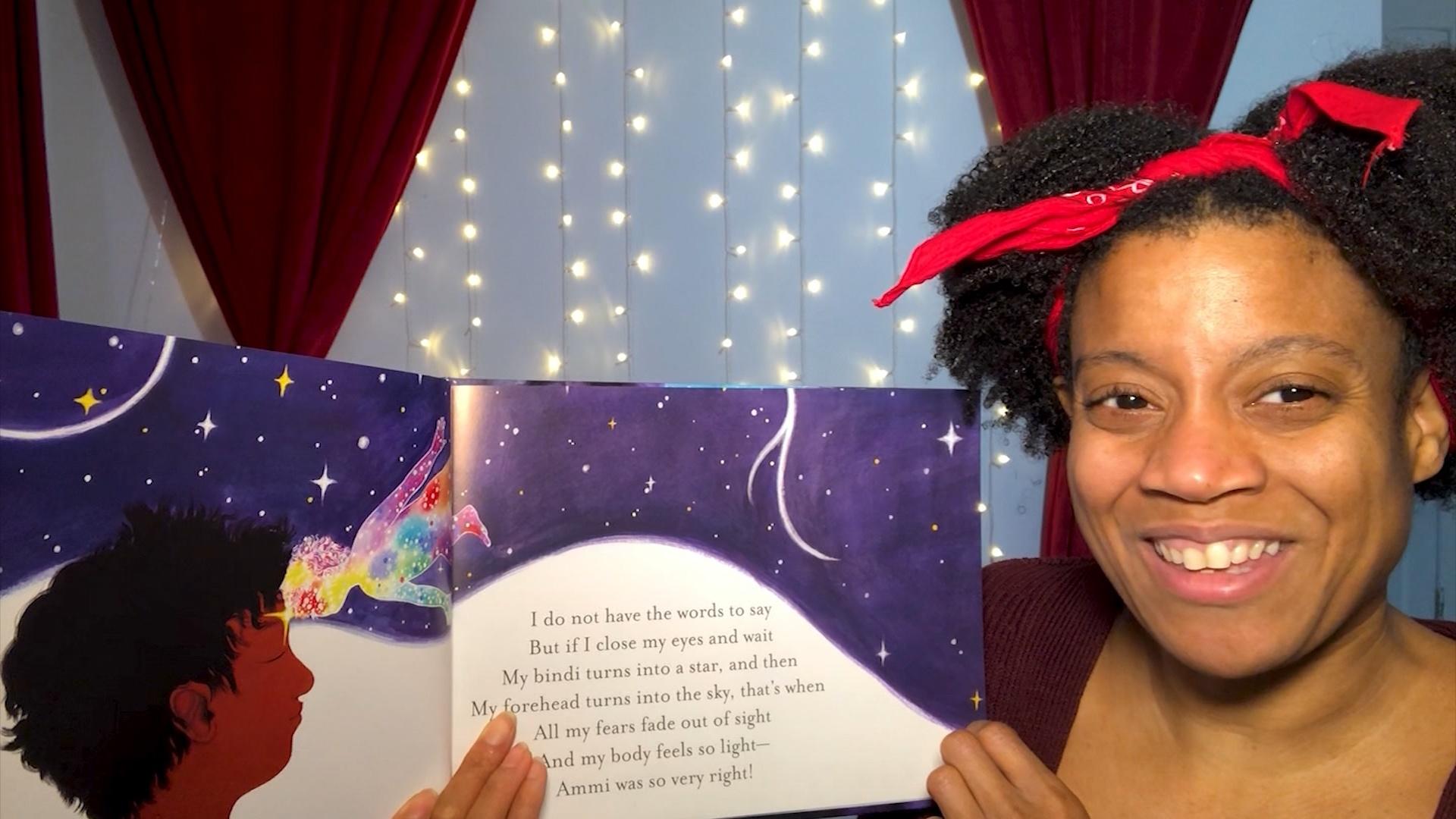
Pre-KK1st2ndThe Boy and the Bindi
Let's Learn · 2020
Pre-KK1st2ndThe Carpet: An Afghan Family Story
Let's Learn · 2020
K1st2ndCars on Ramps
Let's Learn · 2020
Pre-KK1stChanging Liquid to Solid and Gas
Let's Learn · 2020
1st2ndChick, Chick, Peep, Peep, Peep
Let's Learn · 2020
Pre-KKComparing Density of Liquids
Let's Learn · 2020
1st2ndComplex Vowel AW
Let's Learn · 2020
K1st2ndDance Your Feelings
Let's Learn · 2020
Pre-KK1st2ndDigraph CK
Let's Learn · 2020
K1st2ndFeel Your Best Self: Belly Breathing
Let's Learn · 2020
Pre-KK1st2ndFeel Your Best Self: Managing Big Emotions
Let's Learn · 2020
Pre-KK1st2ndFeel Your Best Self: Smell the Roses
Let's Learn · 2020
Pre-KK1st2ndGraham Cracker Fractions
Let's Learn · 2020
1st2ndGreater Than and Less Than
Let's Learn · 2020
K1stHow Animals Move
Let's Learn · 2020
Pre-KK1stInverse Operations
Let's Learn · 2020
1st2ndJulián Is a Mermaid
Let's Learn · 2020
Pre-KK1st2ndLearning New Things
Let's Learn · 2020
K1st2ndLong E Sounds Spelled EE and EA
Let's Learn · 2020
1st2ndMagic E Turns Short O Into Long O
Let's Learn · 2020
K1st2ndMake Ten
Let's Learn · 2020
K1stMaking Change
Let's Learn · 2020
1st2ndMapping a Bike Ride
Let's Learn · 2020
K1st2ndMapping Exploration
Let's Learn · 2020
K1st2ndMath and Movement: Patterns
Let's Learn · 2020
Pre-KK1stMeasure by Comparing
Let's Learn · 2020
K1stMeet the Helpers: Firefighter
Let's Learn · 2020
Pre-KK1stMicah Ties His Shoes
Let's Learn · 2020
Pre-KK1stMighty Morphing Mealworms
Let's Learn · 2020
1st2nd3rdMy Friend Earth
Let's Learn · 2020
Pre-KK1stObjects and Money from Long Ago
Let's Learn · 2020
1st2ndOpen and Closed Syllables
Let's Learn · 2020
1st2ndPlaces in the Neighborhood
Let's Learn · 2020
Pre-KK1stPresto and Largo
Let's Learn · 2020
K1st2ndA Ray of Light
Let's Learn · 2020
K1stSelf-Portraits
Let's Learn · 2020
Pre-KK1st2ndShadow Puppets
Let's Learn · 2020
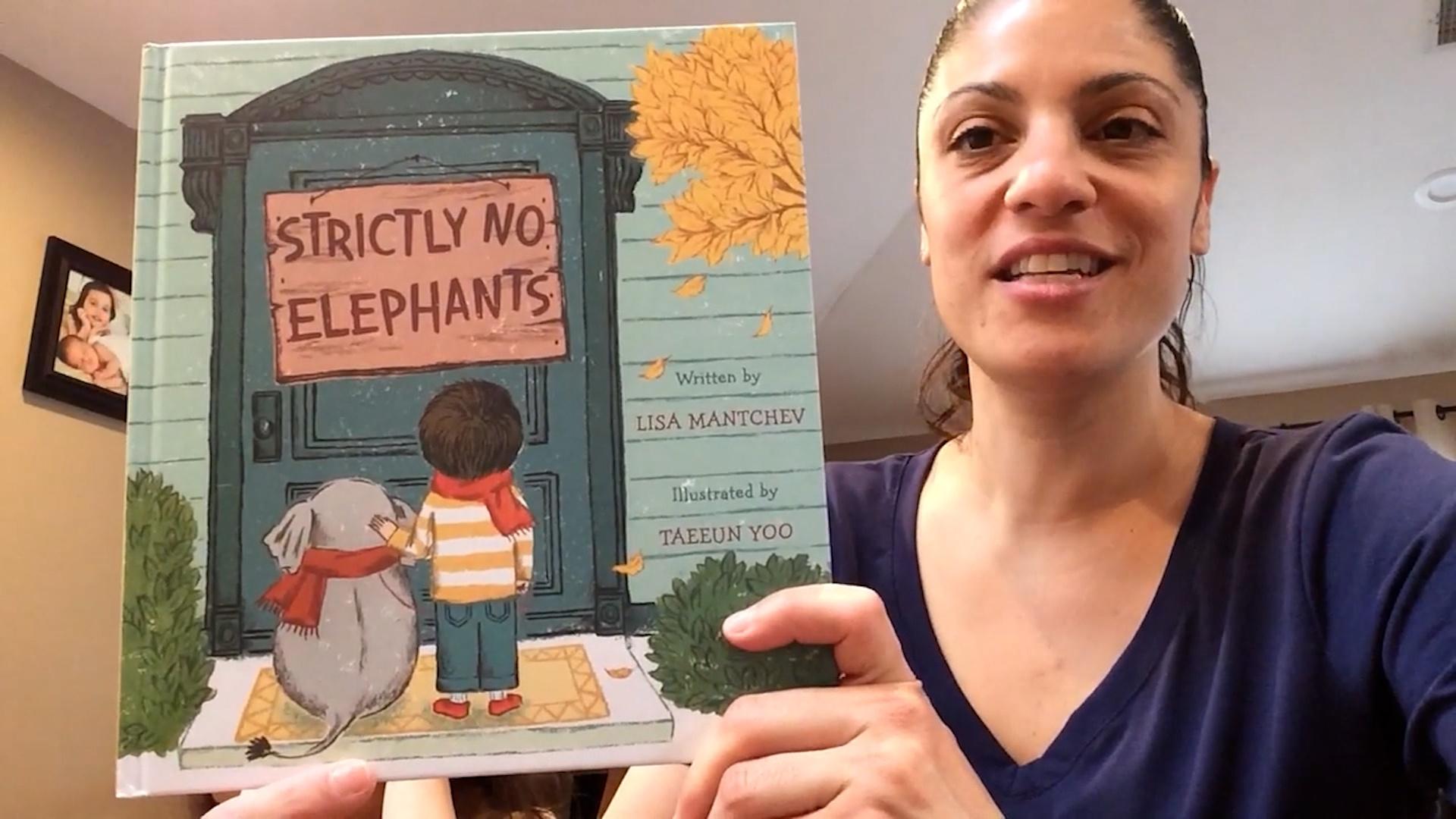
Pre-KK1st2ndStrictly No Elephants
Let's Learn · 2020
Pre-KK1st2ndSuffragist Movement
Let's Learn · 2020
1st2ndTime to Move
Let's Learn · 2020
Pre-KK1st2ndTransforming Primary Colors Into Secondary Colors
Let's Learn · 2020
K1st2ndUsing Tangrams to Make Flowers and Trees
Let's Learn · 2020
K1st2ndVerbal Counting and Learning Digits
Let's Learn · 2020
Pre-KKVowel Teams AI and AY
Let's Learn · 2020
1st2ndWatercolor Painting
Let's Learn · 2020
Pre-KK1st2ndWhy Animals Need Plants
Let's Learn · 2020
K1st2ndWordsville: The Case of the Disappearing Donuts
Let's Learn · 2020
1st2ndWordsville: The Case of the Sillies
Let's Learn · 2020
1st2nd