Series
Deep Look
193 episodes
Deep Look is short-form natural history shot in extreme macro, close enough that a flea leg or a slug slime trail fills the whole frame. Episodes run four to six minutes and each takes one small creature and one surprising mechanism: the dragonfly larva jaw that folds out and shoots forward to seize prey, the springy pad that launches a flea a hundred times its own height, an archerfish aiming a jet of water up through the surface, a coral spawning once a year. Vivid enough for older elementary students, and precise enough to anchor a structure-and-function or life-cycle unit.
What Deep Look covers
193 episodes in the library, tagged for 1st–6th. Heaviest coverage: Science and Technology. Between them they line up with 19 distinct standards across 2 frameworks.
Episodes per grade
- 1st
- 1
- 2nd
- 23
- 3rd
- 134
- 4th
- 192
- 5th
- 192
- 6th
- 170
Episodes per subject
- Science
- 193
- Technology
- 1
NGSS (Science) 18
- 4-LS1-1Construct an argument that plants and animals have internal and external structures that function to support survival, growth, behavior, and reproduction.
- 3-LS1-1Develop models to describe that organisms have unique and diverse life cycles but all have in common birth, growth, reproduction, and death.
- 4-LS1-2Use a model to describe that animals receive different types of information through their senses, process the information in their brain, and respond to the information in different ways.
- 3-LS2-1Construct an argument that some animals form groups that help members survive.
- 3-LS4-3Construct an argument with evidence that in a particular habitat some organisms can survive well, some survive less well, and some cannot survive at all.
- 3-LS4-2Use evidence to construct an explanation for how the variations in characteristics among individuals of the same species may provide advantages in surviving, finding mates, and reproducing.
+ 12 more
- 2-LS2-2Develop a simple model that mimics the function of an animal in dispersing seeds or pollinating plants.
- 3-LS4-4Make a claim about the merit of a solution to a problem caused when the environment changes and the types of plants and animals that live there may change.
- 5-LS2-1Develop a model to describe the movement of matter among plants, animals, decomposers, and the environment.
- 1-PS4-1Plan and conduct investigations to provide evidence that vibrating materials can make sound and that sound can make materials vibrate.
- 1-LS1-2Read texts and use media to determine patterns in behavior of parents and offspring that help offspring survive.
- 3-PS2-1Plan and conduct an investigation to provide evidence of the effects of balanced and unbalanced forces on the motion of an object.
- 4-PS4-2Develop a model to describe that light reflecting from objects and entering the eye allows objects to be seen.
- 3-5-ETS1-1Define a simple design problem reflecting a need or a want that includes specified criteria for success and constraints on materials, time, or cost.
- 3-5-ETS1-3Plan and carry out fair tests in which variables are controlled and failure points are considered to identify aspects of a model or prototype that can be improved.
- 3-LS3-1Analyze and interpret data to provide evidence that plants and animals have traits inherited from parents and that variation of these traits exists in a group of similar organisms.
- 3-LS4-1Analyze and interpret data from fossils to provide evidence of the organisms and the environments in which they lived long ago.
- 4-ESS2-1Make observations and/or measurements to provide evidence of the effects of weathering or the rate of erosion by water, ice, wind, or vegetation.
ISTE (Technology) 1
- ISTE.1.5Computational Thinker: students develop strategies for understanding and solving problems using technology.
Every episode is vetted and tagged before it goes in. Pick your state in the filters above to see your own state’s codes alongside these.
24 of 193 results
The Amazing Life of Sand
Deep Look
3 min3rd4th5th6th
Archerfish Says..."I Spit in Your Face!"
Deep Look
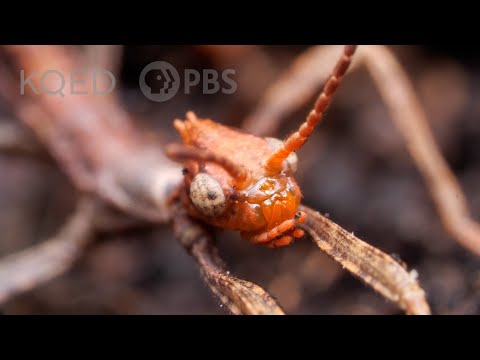
4 min3rd4th5th6thAustralian Walking Stick Insects Are Three Times Weirder Than You Think
Deep Look
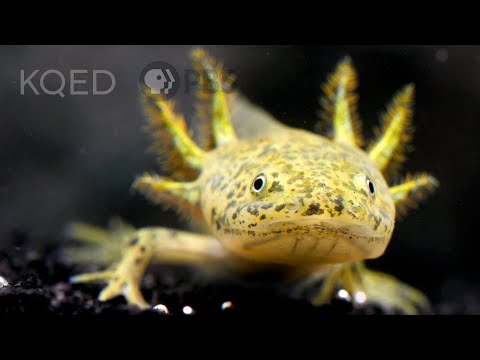
5 min2nd3rd4th5thThe Axolotl Salamander Doesn't Wanna Grow Up
Deep Look
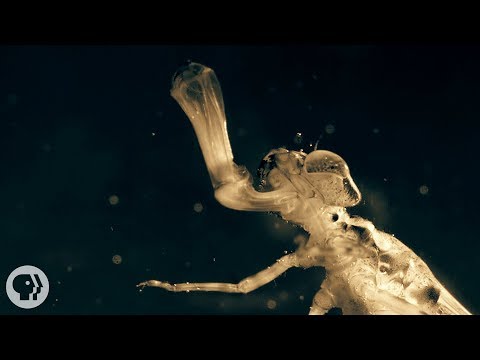
5 min3rd4th5th6thA Baby Dragonfly's Mouth Will Give You Nightmares
Deep Look
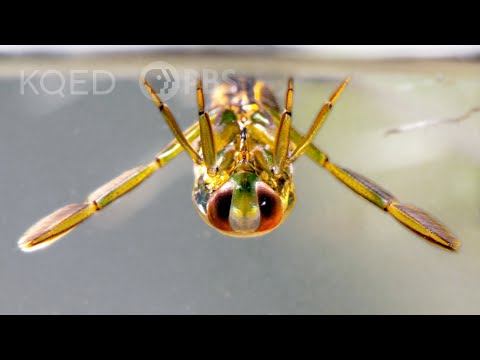
4 min4th5th6thBackswimmer Insects Drag Prey Into the Upside Down
Deep Look
4 min4th5th6thBanana Slugs: Secret of the Slime
Deep Look
4 min3rd4th5th6thBeware of Flesh-Eating Sand Piranhas at the Beach
Deep Look
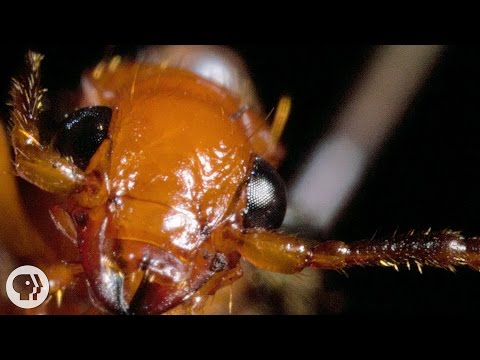
4 min3rd4th5th6thThe Bombardier Beetle And Its Crazy Chemical Cannon
Deep Look
3 min4th5th6thBorn Pregnant: Aphids Invade With an Onslaught of Clones
Deep Look
5 min4th5th6thCalifornia Floater Mussels Take Fish For an Epic Joyride
Deep Look
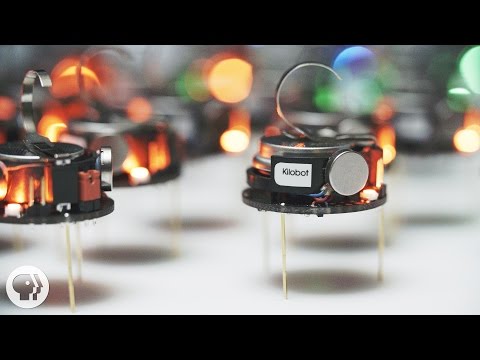
5 min3rd4th5th6thCan A Thousand Tiny Swarming Robots Outsmart Nature?
Deep Look
4 min3rd4th5th6thCan the Frog Apocalypse be Stopped by a New Vaccine?
Deep Look
4 min4th5th6thCape Sundews Trap Bugs In A Sticky Situation
Deep Look
4 min3rd4th5th6thCitrus Psyllids Bribe Ants With Strings Of Candy Poop
Deep Look
5 min3rd4th5th6thClothes Moths Got Your Sweater? There's a Wasp for That
Deep Look
5 min3rd4th5th6thCockroach vs. Hydraulic Press: Who Wins?
Deep Look
4 min4th5th6thCopycats! This Ant Is Surrounded By Imposters
Deep Look
5 min3rd4th5th6thA Coral Is Born
Deep Look
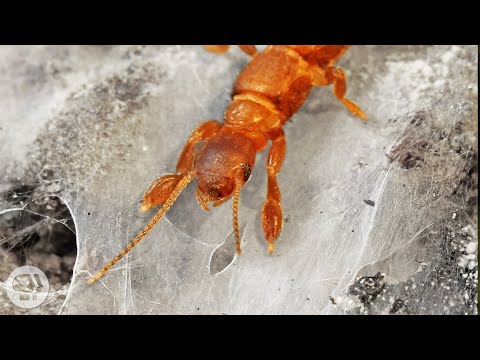
6 min3rd4th5th6thThe Curious Webspinner Insect Knits a Cozy Home
Deep Look
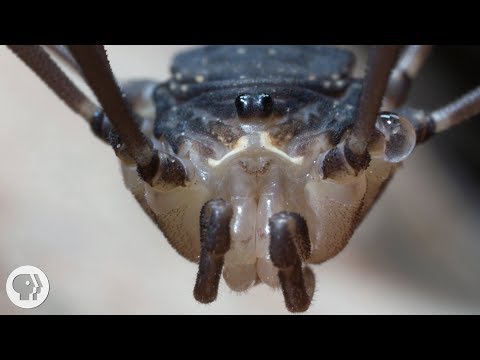
5 min3rd4th5th6thDaddy Longlegs Risk Life and Especially Limb to Survive
Deep Look
4 min3rd4th5th6thDecorator Crabs Make High Fashion at Low Tide
Deep Look
4 min2nd3rd4th5thDog Ticks Are Changing Their Diet. You're on the Menu
Deep Look
4 min4th5th6thDon't Go Chasing Water Bugs
Deep Look
4 min3rd4th5th6th










Or use the filters above to narrow this down.