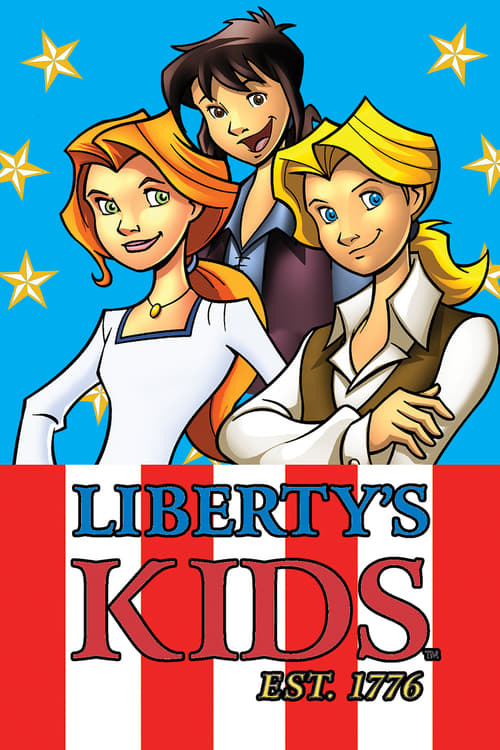

Summary
James Hiller, a young printer's apprentice at Benjamin Franklin's Pennsylvania Gazette, witnesses one of the most dramatic protests in American history. Disguised as Mohawk warriors, colonists dump 342 chests of British tea into Boston Harbor to protest “taxation without representation” — and James has to decide whose side the story really belongs on.
Viewer safety
Animated depiction of colonial protest — crowd confrontation, ships boarded. No graphic violence.
Our rating is a quick teacher-to-teacher guide — preview before showing.
Teaching resources
Discussion questions
Discussion
The Boston Tea Party was not just about tea — it was a bold political protest against a system that taxed colonists without giving them any say in Parliament.
- What was “taxation without representation”? Why did the colonists think it was unfair?
- The colonists disguised themselves as Mohawk warriors. Why do you think they chose a disguise — and what does that choice tell us about the risks they were taking?
- Sarah views the protest differently than James does. How does each character's background shape what they see as right or wrong?
- If you disagreed with a rule that affected you but had no vote to change it, what would you do?
Quick work-a-long
Vocabulary: taxation, representation, Parliament, protest, boycott.
Try it: Write a two-sentence “eyewitness report” of the Boston Tea Party — once from James's point of view (a colonist), and once from Sarah's (a British loyalist). Notice how the same event can look completely different depending on who's telling the story.