

Summary
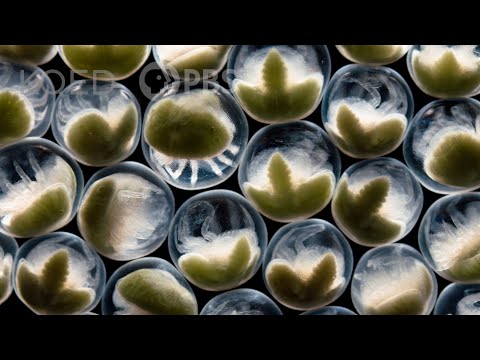
Every spring, ancient horseshoe crabs crowd onto beaches to lay millions of eggs in the sand -- a feast that migrating birds depend on. Deep Look shows this age-old life cycle event.
Viewer safety
All ages
Our rating is a quick teacher-to-teacher guide — preview before showing.
Teaching resources
Discussion questions
Talk about it
Horseshoe crabs -- older than the dinosaurs -- gather on beaches at high tide to lay huge numbers of eggs in the sand. Most eggs feed shorebirds and fish, and the survivors hatch and grow through molts. Their life cycle links the crabs, the beach, and the birds together.
- Why do horseshoe crabs come ashore in huge numbers?
- How do their eggs help other animals like shorebirds?
- What are the stages of a horseshoe crab's life?
Quick work-a-long
Vocabulary: spawn, eggs, life cycle, migrate.
Try it: Draw a beach with horseshoe crabs, eggs in the sand, and birds feeding. Write how one life cycle helps many animals.