

Summary
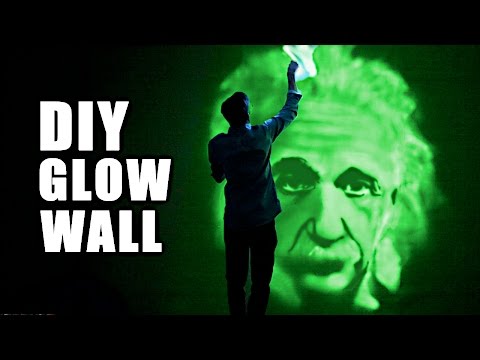
Mark makes a wall that glows in the dark using phosphorescent material, and explains how the paint soaks up light and slowly releases it. A hands-on look at glow-in-the-dark science.
Viewer safety
Ages 7+
Made for a general YouTube audience — an occasional mild or bleeped word can slip in, so preview if your classroom bar is strict.
Our rating is a quick teacher-to-teacher guide — preview before showing.
Teaching resources
Discussion questions
Talk about it
Glow-in-the-dark materials absorb light energy, then let it back out slowly. That's why they need a 'charge' from a bright light first.
- Why does a glow-in-the-dark object need to sit in light first?
- What happens to the stored light energy over time?
- Would a glow wall work in a room that was always dark? Why or why not?
Quick work-a-long
Vocabulary: glow, light energy, absorb, phosphorescent.
Try it: Charge a glow-in-the-dark toy under a lamp, then turn off the light. Time how long it glows. Record it.