Series
The Electric Company (2009)
38 episodes
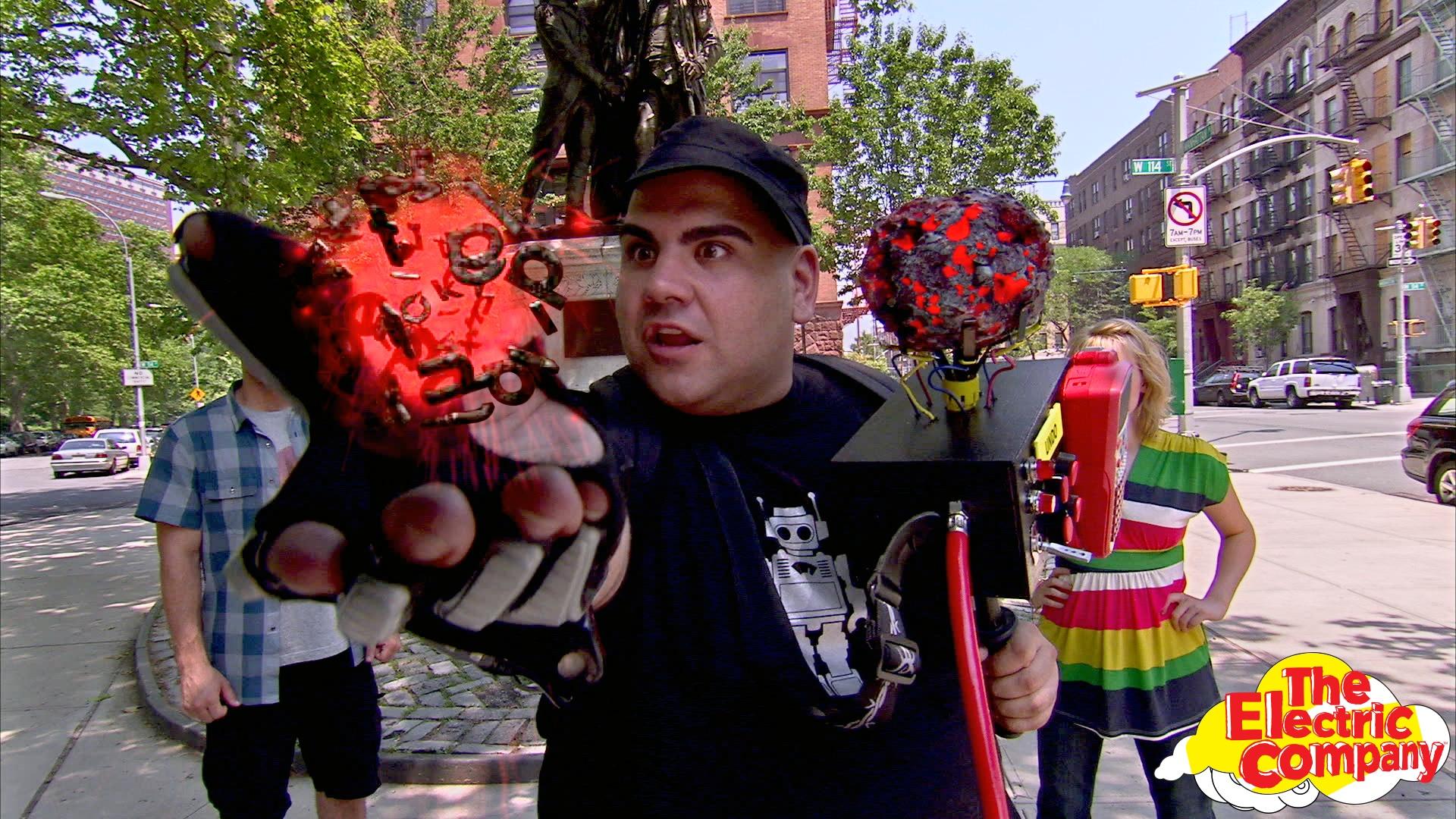
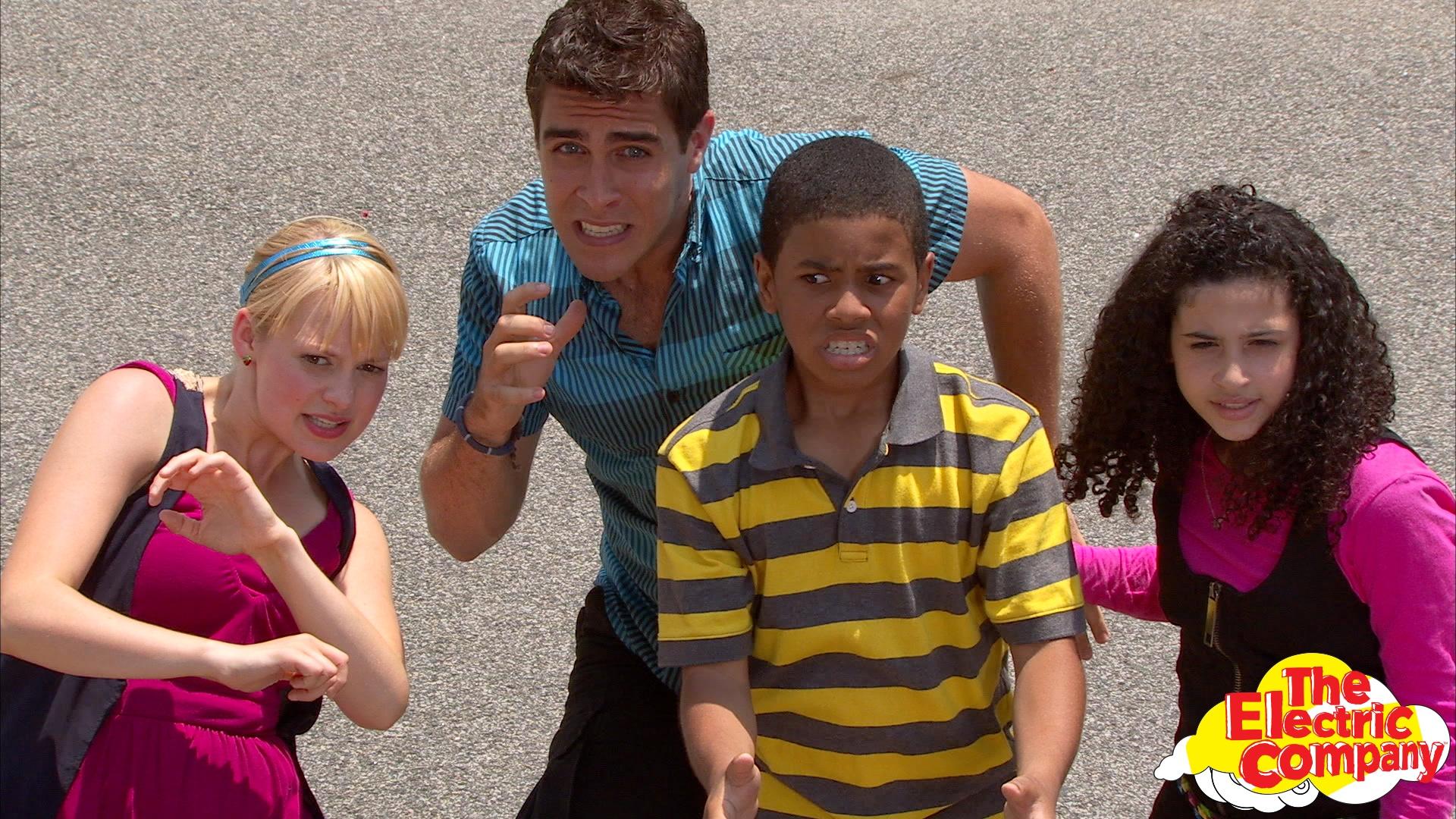
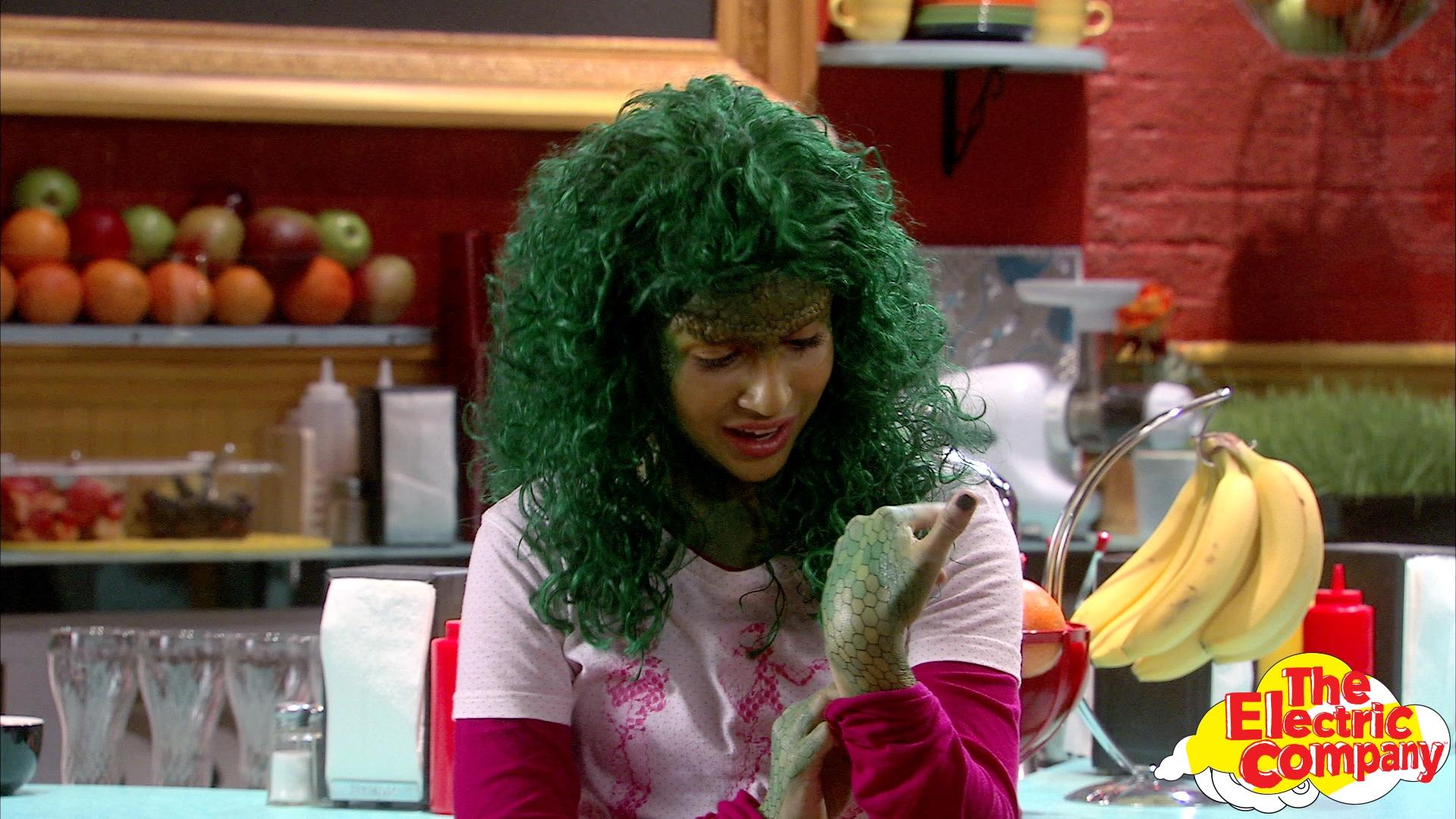
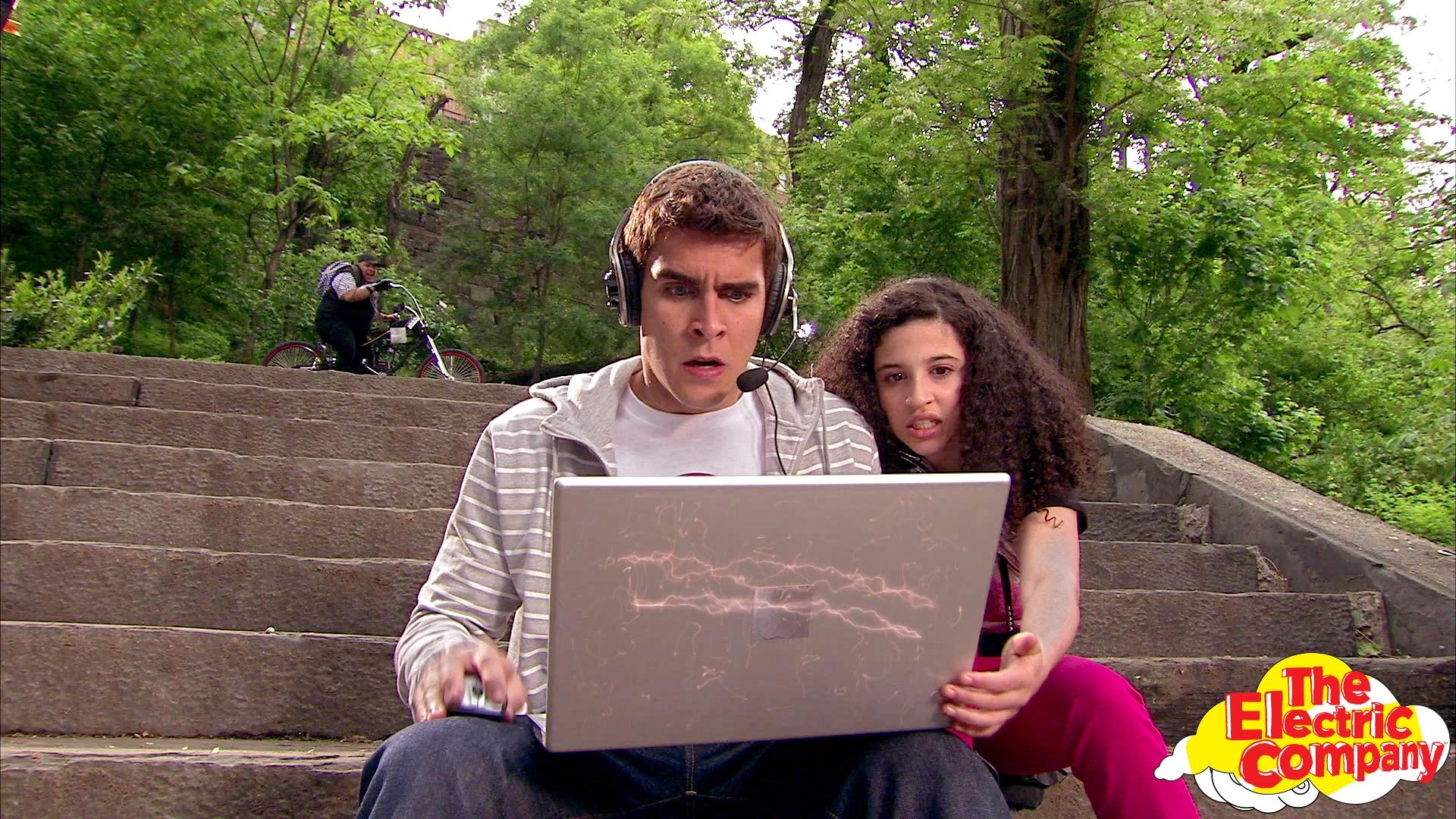
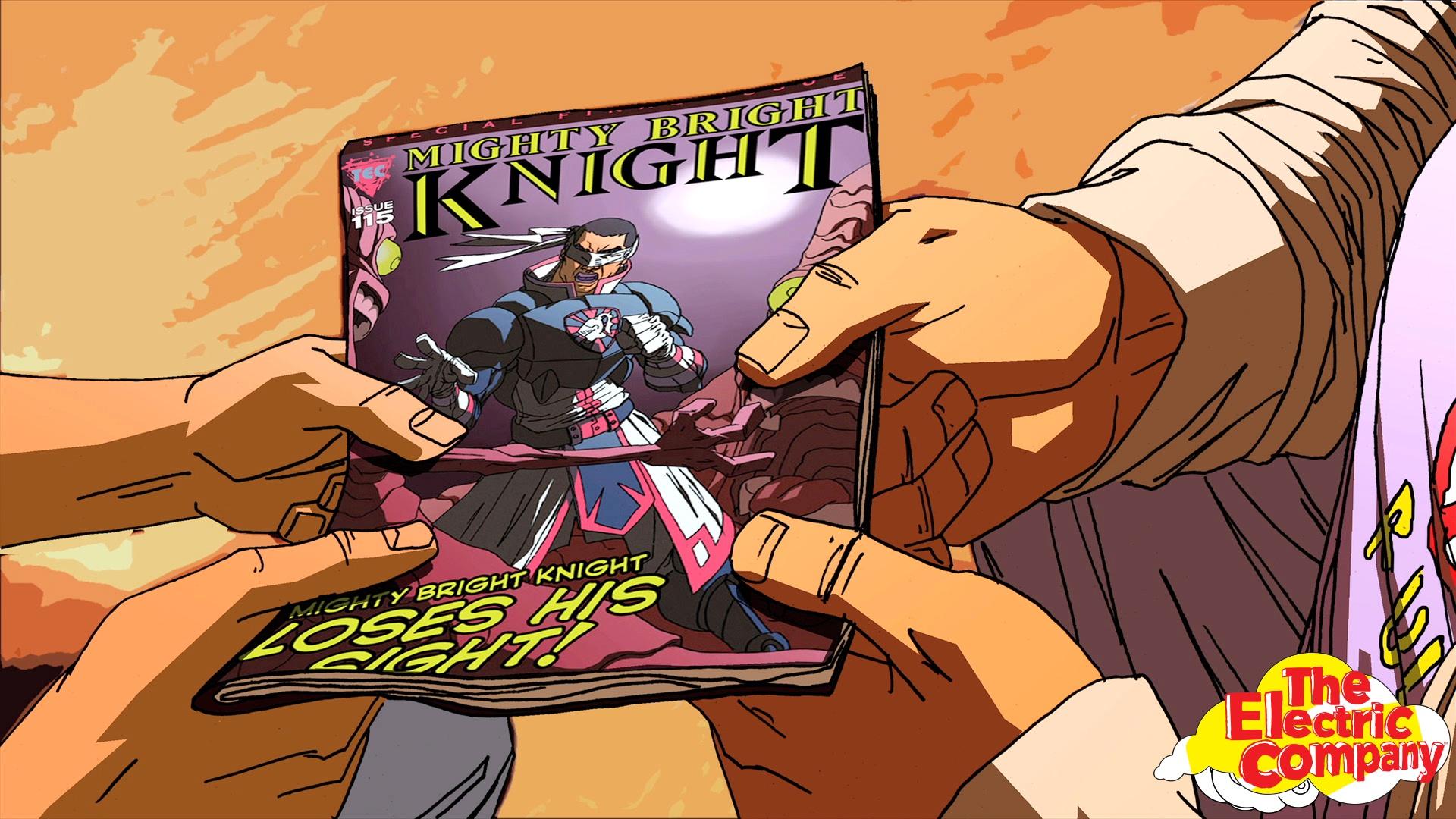
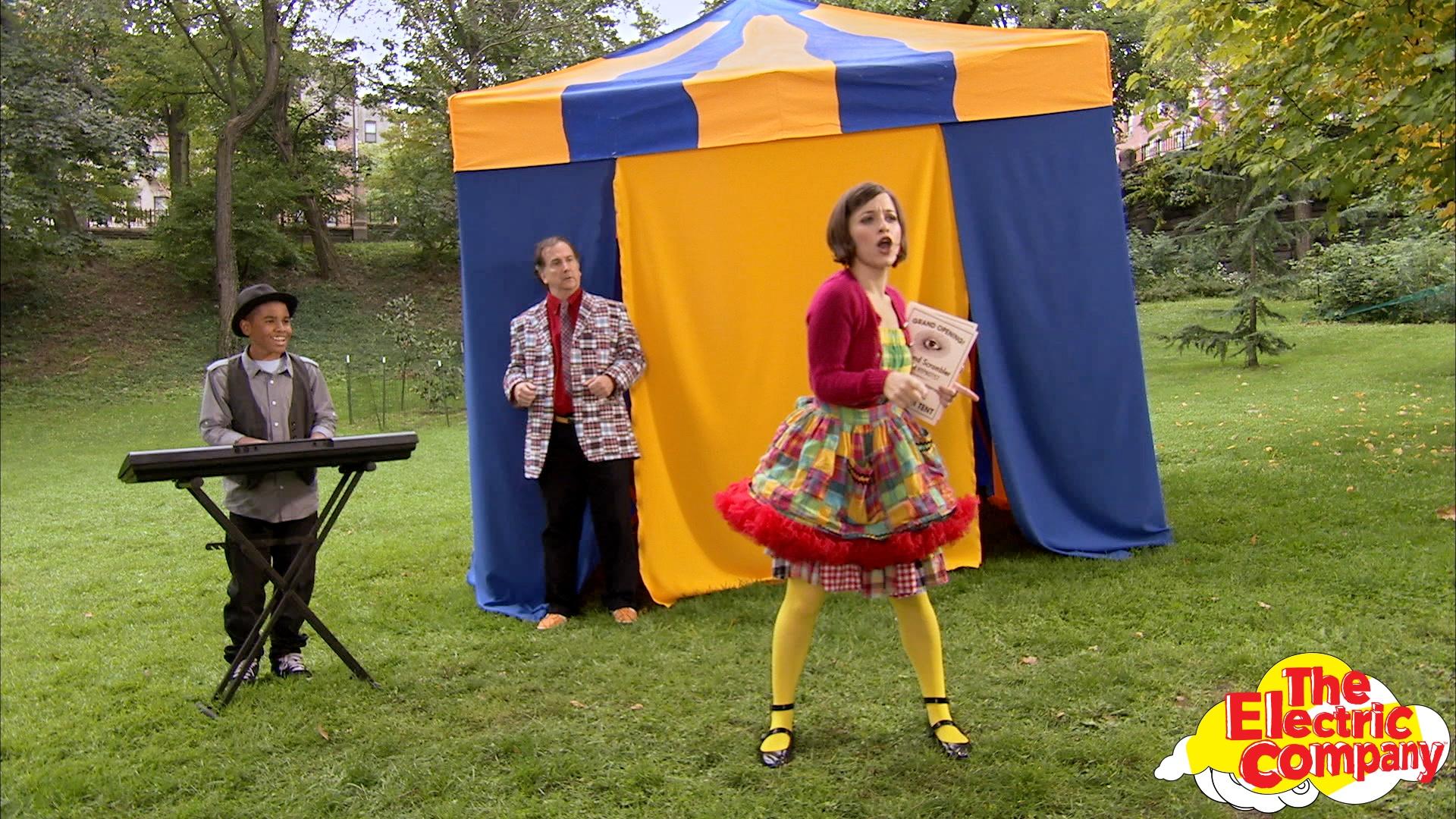
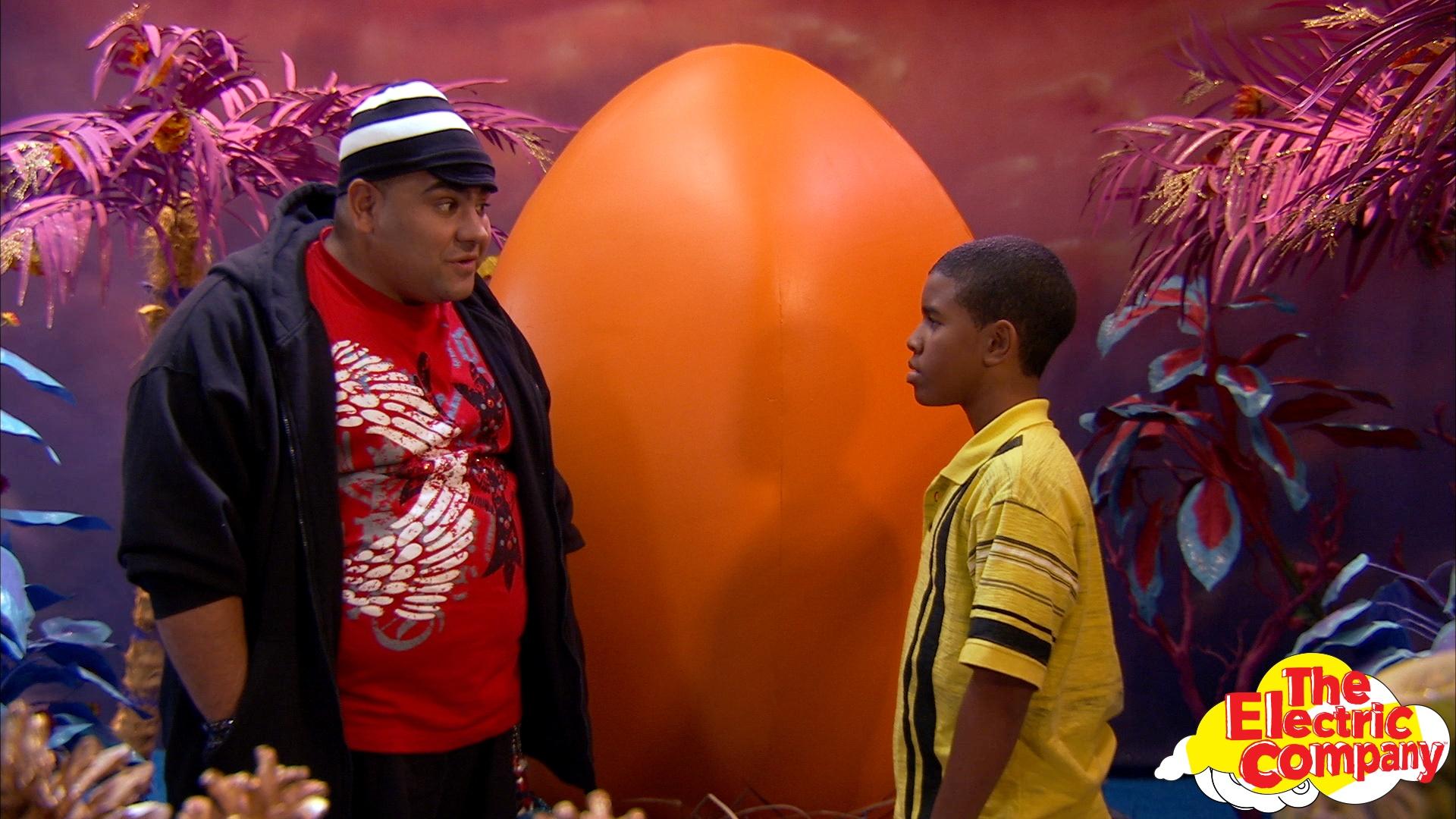
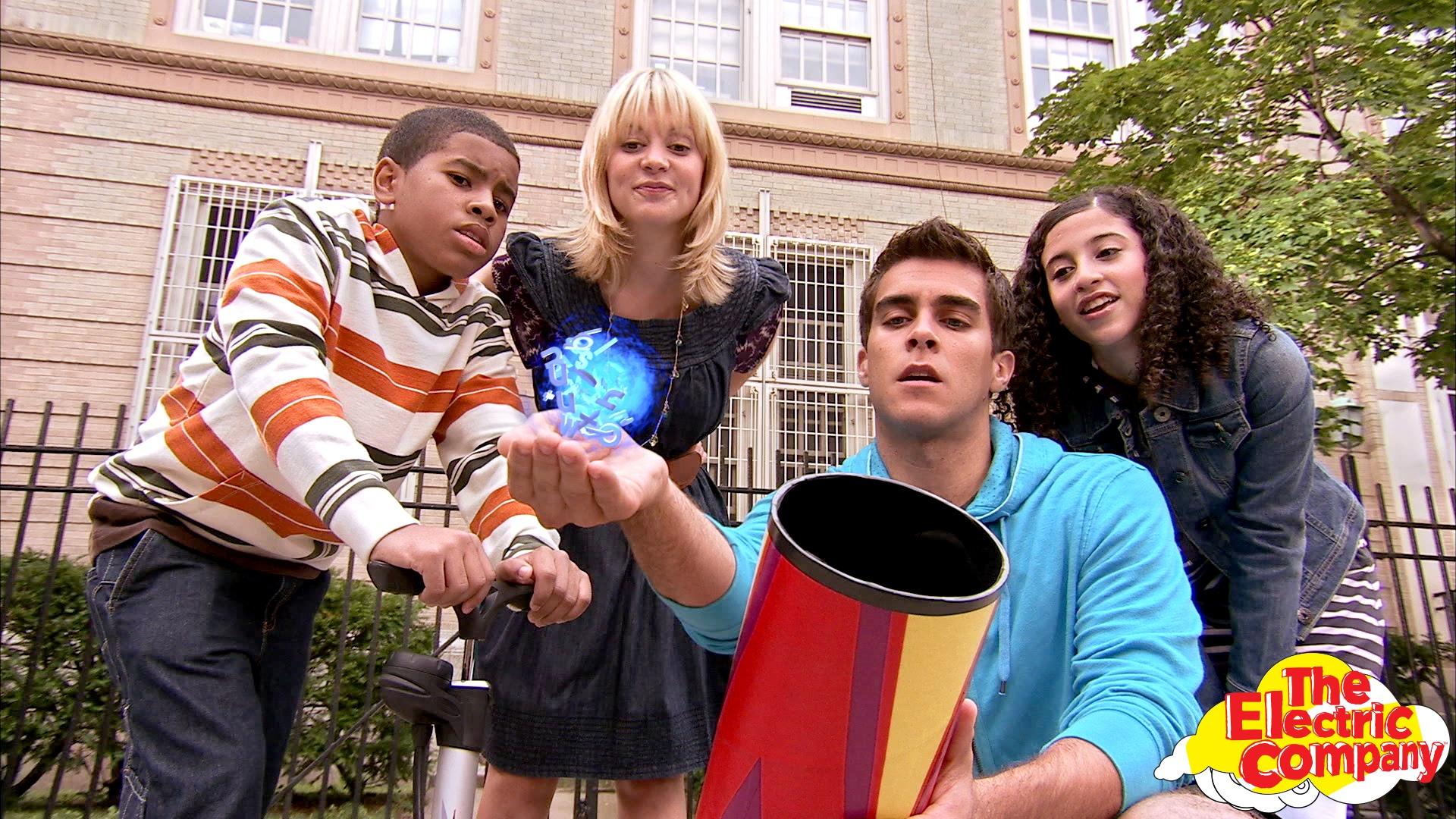
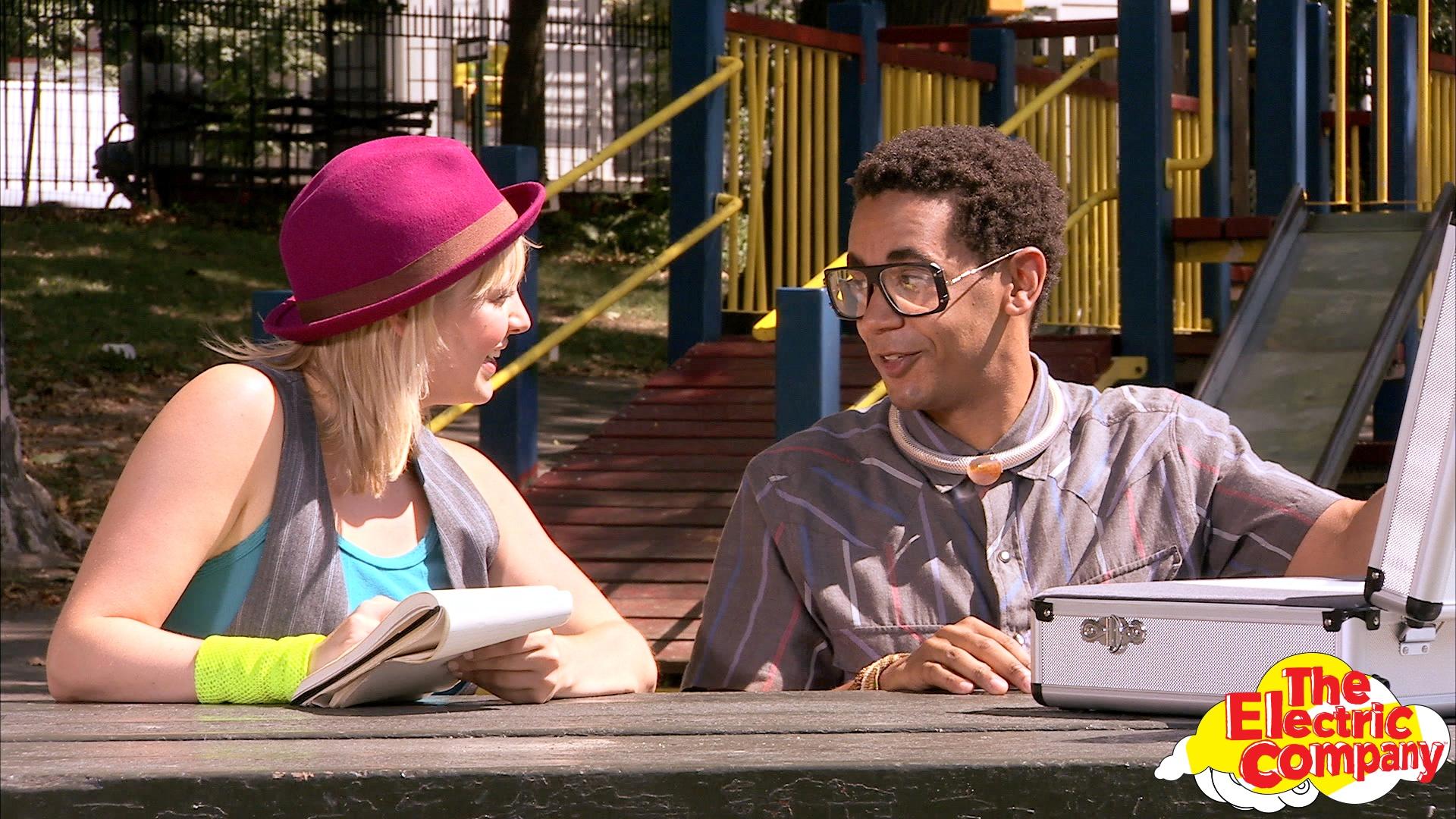
The 2009 reboot: a crew of kids in the Fuego neighborhood with word powers, up against the Pranksters, who delete letters and scramble signs. Most episodes run 22 to 28 minutes, a few shorter. Each one hangs on decoding under pressure and spotlights five or six vocabulary words. A comic-book scavenger hunt teaches individual, opponent, and merit; an election episode covers campaign, poll, and debate; a magic act runs on transform and reptile. Guest stars turn up constantly, from Jimmy Fallon to Samantha Bee to Tiki Barber. These 38 titles are the 2009 reboot only.

What The Electric Company (2009) covers
38 episodes in the library, tagged for 1st–3rd. Heaviest coverage: Reading & Writing (ELA) and Math. Between them they line up with 18 distinct standards across 2 frameworks.
Episodes per grade
- 1st
- 2
- 2nd
- 38
- 3rd
- 37
Episodes per subject
- Reading & Writing (ELA)
- 38
- Math
- 1
Common Core — Math 1
- 2.MD.C.8Solve word problems involving dollar bills, quarters, dimes, nickels, and pennies, using $ and ¢ symbols appropriately.
Common Core — ELA 17
- L.2.6Use words and phrases acquired through conversations, reading and being read to, and responding to texts.
- RF.2.4Read with sufficient accuracy and fluency to support comprehension.
- RF.2.3Know and apply grade-level phonics and word analysis skills in decoding words.
- RL.2.1Ask and answer such questions as who, what, where, when, why, and how to demonstrate understanding of key details in a text.
- L.2.4Determine or clarify the meaning of unknown and multiple-meaning words and phrases based on grade 2 reading and content.
- L.3.4Determine or clarify the meaning of unknown and multiple-meaning words and phrases based on grade 3 reading and content.
+ 11 more
- L.3.6Acquire and use accurately grade-appropriate conversational, general academic, and domain-specific words and phrases.
- RL.2.3Describe how characters in a story respond to major events and challenges.
- RL.3.3Describe characters in a story and explain how their actions contribute to the sequence of events.
- RI.2.1Ask and answer such questions as who, what, where, when, why, and how to demonstrate understanding of key details in a text.
- RI.3.1Ask and answer questions to demonstrate understanding of a text, referring explicitly to the text as the basis for the answers.
- RL.3.1Ask and answer questions to demonstrate understanding of a text, referring explicitly to the text as the basis for the answers.
- SL.3.4Report on a topic or text, tell a story, or recount an experience with appropriate facts and relevant, descriptive details.
- RF.1.3Know and apply grade-level phonics and word analysis skills in decoding words.
- RF.3.3Know and apply grade-level phonics and word analysis skills in decoding words.
- RL.3.4Determine the meaning of words and phrases as they are used in a text, distinguishing literal from nonliteral language.
- SL.3.1Engage effectively in a range of collaborative discussions on grade 3 topics and texts, building on others' ideas and expressing their own clearly.
Every episode is vetted and tagged before it goes in. Pick your state in the filters above to see your own state’s codes alongside these.
24 of 38 results
Skills
The Electric Company (2009) · 2009
22 min2nd3rd
Scent of a Human
The Electric Company (2009) · 2009
28 min2nd3rdLights, Camera, Beetles
The Electric Company (2009) · 2009
28 min2nd3rdCall Me Tiki
The Electric Company (2009) · 2009
28 min2nd3rdLost and Spaced
The Electric Company (2009) · 2009
28 min2nd3rdTrouble Afoot
The Electric Company (2009) · 2009
28 min2nd3rdThe Skeleckian Hiccups
The Electric Company (2009) · 2009
28 min2nd3rdDirty Laundry
The Electric Company (2009) · 2009
28 min2nd3rdHe Ain't Heavy, He's Just Frozen
The Electric Company (2009) · 2009
28 min2nd3rdScrambled Brains
The Electric Company (2009) · 2009
22 min2nd3rdAbracadabra Cadabra Ca-Green!
The Electric Company (2009) · 2009
28 min2nd3rdGame On
The Electric Company (2009) · 2009
28 min2nd3rdWar of the Words
The Electric Company (2009) · 2009
28 min2nd3rdMighty Bright Knight
The Electric Company (2009) · 2009
28 min2nd3rdThe Orangachoke
The Electric Company (2009) · 2009
28 min2nd3rdGravity Groove
The Electric Company (2009) · 2009
28 min2nd3rdLimerick-Off
The Electric Company (2009) · 2009
28 min2nd3rdThe Electric Accompany
The Electric Company (2009) · 2009
22 min2nd3rdThe Wordball is My Oyster
The Electric Company (2009) · 2009
22 min2nd3rdThe Flube Whisperer
The Electric Company (2009) · 2009
28 min2nd3rdOut to Launch
The Electric Company (2009) · 2009
22 min2nd3rdFromage Here to Eternity
The Electric Company (2009) · 2009
28 min2nd3rdA Whole New Francine
The Electric Company (2009) · 2009
22 min2nd3rdOne Smart Cookie
The Electric Company (2009) · 2010
22 min2nd3rd


Or use the filters above to narrow this down.