Series
The Dr. Binocs Show
105 episodes
Animated science explainers from Peekaboo Kidz, the children's channel of Rajshri Entertainment in Mumbai. Dr. Binocs takes a single question per video and answers it in three to eight minutes: how a cactus or a water lily is built for the place it lives, why camouflage and thick fur keep animals alive, what acid rain does to plants and buildings, what bones do besides hold us up, what a black hole actually is. Coverage is heaviest in life science and human impact on the environment, with body-systems topics for older grades. Clear narration, simple animation, one idea at a time.
What The Dr. Binocs Show covers
105 episodes in the library, tagged for K–6th. Heaviest coverage: Science, Health and Social Studies. Between them they line up with 73 distinct standards across 7 frameworks.
Episodes per grade
- K
- 4
- 1st
- 10
- 2nd
- 35
- 3rd
- 71
- 4th
- 93
- 5th
- 92
- 6th
- 59
Episodes per subject
- Science
- 101
- Health
- 13
- Social Studies
- 4
- Technology
- 4
- Reading & Writing (ELA)
- 1
- Math
- 1
NGSS (Science) 50
- 4-LS1-1Construct an argument that plants and animals have internal and external structures that function to support survival, growth, behavior, and reproduction.
- 5-ESS3-1Obtain and combine information about ways individual communities use science ideas to protect the Earth's resources and environment.
- 3-LS4-3Construct an argument with evidence that in a particular habitat some organisms can survive well, some survive less well, and some cannot survive at all.
- MS-ESS3-3Apply scientific principles to design a method for monitoring and minimizing a human impact on the environment.
- K-ESS3-3Communicate solutions that will reduce the impact of humans on the land, water, air, and/or other living things in the local environment.
- 4-ESS3-1Obtain and combine information to describe that energy and fuels are derived from natural resources and their uses affect the environment.
+ 44 more
- 1-ESS1-1Use observations of the sun, moon, and stars to describe patterns that can be predicted.
- 2-ESS2-3Obtain information to identify where water is found on Earth and that it can be solid or liquid.
- 2-LS4-1Make observations of plants and animals to compare the diversity of life in different habitats.
- 3-ESS2-1Represent data in tables and graphical displays to describe typical weather conditions expected during a particular season.
- 3-ESS3-1Make a claim about the merit of a design solution that reduces the impacts of a weather-related hazard.
- 3-LS1-1Develop models to describe that organisms have unique and diverse life cycles but all have in common birth, growth, reproduction, and death.
- 4-ESS1-1Identify evidence from patterns in rock formations and fossils in rock layers to support an explanation for changes in a landscape over time.
- 4-ESS2-2Analyze and interpret data from maps to describe patterns of Earth's features.
- 5-LS1-1Support an argument that plants get the materials they need for growth chiefly from air and water.
- MS-ESS1-1Develop and use a model of the Earth-sun-moon system to describe the cyclic patterns of lunar phases, eclipses of the sun and moon, and seasons.
- MS-LS1-3Use argument supported by evidence for how the body is a system of interacting subsystems composed of groups of cells.
- 2-ESS1-1Use information from several sources to provide evidence that Earth events can occur quickly or slowly.
- 2-LS2-2Develop a simple model that mimics the function of an animal in dispersing seeds or pollinating plants.
- 4-ESS2-1Make observations and/or measurements to provide evidence of the effects of weathering or the rate of erosion by water, ice, wind, or vegetation.
- 4-ESS3-2Generate and compare multiple solutions to reduce the impacts of natural Earth processes on humans.
- 4-LS1-2Use a model to describe that animals receive different types of information through their senses, process the information in their brain, and respond to the information in different ways.
- 4-PS3-1Use evidence to construct an explanation relating the speed of an object to the energy of that object.
- 4-PS3-4Apply scientific ideas to design, test, and refine a device that converts energy from one form to another.
- 4-PS4-1Develop a model of waves to describe patterns in terms of amplitude and wavelength and that waves can cause objects to move.
- 4-PS4-2Develop a model to describe that light reflecting from objects and entering the eye allows objects to be seen.
- 5-ESS1-2Represent data in graphical displays to reveal patterns of daily changes in length and direction of shadows, day and night, and the seasonal appearance of some stars in the night sky.
- 1-ESS1-2Make observations at different times of year to relate the amount of daylight to the time of year.
- 1-PS4-1Plan and conduct investigations to provide evidence that vibrating materials can make sound and that sound can make materials vibrate.
- 1-PS4-2Make observations to construct an evidence-based account that objects can be seen only when illuminated.
- 1-PS4-3Plan and conduct an investigation to determine the effect of placing objects made with different materials in the path of a beam of light.
- 2-ESS2-1Compare multiple solutions designed to slow or prevent wind or water from changing the shape of the land.
- 2-ESS2-2Develop a model to represent the shapes and kinds of land and bodies of water in an area.
- 2-LS2-1Plan and conduct an investigation to determine if plants need sunlight and water to grow.
- 3-ESS2-2Obtain and combine information to describe climates in different regions of the world.
- 3-LS2-1Construct an argument that some animals form groups that help members survive.
- 3-LS3-2Use evidence to support the explanation that traits can be influenced by the environment.
- 3-LS4-1Analyze and interpret data from fossils to provide evidence of the organisms and the environments in which they lived long ago.
- 3-PS2-1Plan and conduct an investigation to provide evidence of the effects of balanced and unbalanced forces on the motion of an object.
- 3-PS2-3Ask questions to determine cause-and-effect relationships of electric or magnetic interactions between two objects not in contact with each other.
- 3-PS2-4Define a simple design problem that can be solved by applying scientific ideas about magnets.
- 4-PS3-2Make observations to provide evidence that energy can be transferred from place to place by sound, light, heat, and electric currents.
- 5-ESS1-1Support an argument that differences in the apparent brightness of the sun compared to other stars is due to their relative distances from Earth.
- 5-ESS2-2Describe and graph the amounts of salt water and fresh water in various reservoirs to provide evidence about the distribution of water on Earth.
- 5-LS2-1Develop a model to describe the movement of matter among plants, animals, decomposers, and the environment.
- 5-PS2-1Support an argument that the gravitational force exerted by Earth on objects is directed down.
- 5-PS3-1Use models to describe that energy in animals' food was once energy from the sun.
- K-LS1-1Use observations to describe patterns of what plants and animals (including humans) need to survive.
- K-PS3-1Make observations to determine the effect of sunlight on Earth's surface.
- MS-ESS2-4Develop a model to describe the cycling of water through Earth's systems driven by energy from the sun and the force of gravity.
Common Core — Math 1
- 4.MD.A.1Know relative sizes of measurement units within one system of units; express measurements in a larger unit in terms of a smaller unit.
Common Core — ELA 2
- RL.2.2Recount stories, including fables and folktales from diverse cultures, and determine their central message, lesson, or moral.
- RL.3.3Describe characters in a story and explain how their actions contribute to the sequence of events.
Social Studies (C3 / NCSS) 7
- D2.Geo.2.3-5Use maps, satellite images, photographs, and other representations to explain relationships between the locations of places and regions and their environmental characteristics.
- D2.Eco.3.3-5Identify examples of the variety of resources (human capital, physical capital, and natural resources) that are used to produce goods and services.
- D2.Geo.1.3-5Construct maps and other graphic representations of both familiar and unfamiliar places.
- D2.Geo.10.3-5Explain why environmental characteristics vary among different world regions.
- D2.Geo.2.K-2Use maps, graphs, photographs, and other representations to describe places and the relationships and interactions that shape them.
- D2.Geo.3.3-5Use maps of different scales to describe the locations of cultural and environmental characteristics.
+ 1 more
- D2.Geo.5.3-5Explain how the cultural and environmental characteristics of places change over time.
National Health Education 7
- NHES.1Standard 1: Students comprehend functional health knowledge to enhance health.
- NHES.1.5.5Describe practices and behaviors that prevent or reduce health risks, such as eating vegetables and fruit daily.
- NHES.1.2.4Identify safe and unsafe situations, people, and events.
- NHES.1.5.2Describe benefits of practicing health-promoting behaviors.
- NHES.1.5.3Explain possible consequences of unhealthy behaviors.
- NHES.1.5.7Explain ways to prevent common childhood injuries and health problems, such as swimming safety or managing emotions.
+ 1 more
- NHES.1.8.6Analyze how personal practices and habits reduce or prevent health risks.
ISTE (Technology) 1
- ISTE.1.1.dTechnology fundamentals: understand how the technology you use works, and try out new tools confidently.
ITEEA STEL (Technology & Engineering) 5
- STEL-1CDemonstrate that creating can be done by anyone.
- STEL-1LExplain how technology and engineering are closely linked to creativity, which can result in both intended and unintended innovations.
- STEL-4HClassify resources used to create technologies as either renewable or non-renewable.
- STEL-4LAnalyze how the creation and use of technologies consumes renewable and non-renewable resources and creates waste.
- STEL-4MDevise strategies for reducing, reusing, and recycling waste caused from the creation and use of technology.
Every episode is vetted and tagged before it goes in. Pick your state in the filters above to see your own state’s codes alongside these.
24 of 105 results
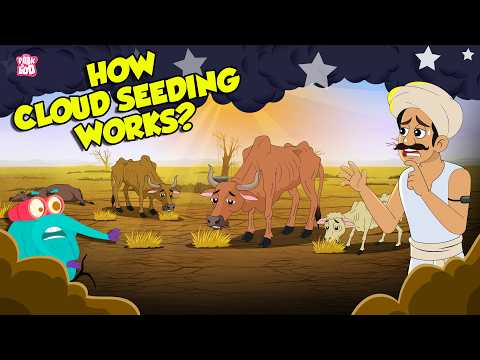
Can We Create Rain? How Cloud Seeding Works
The Dr. Binocs Show · 2026
6 min3rd4th5th6th
First Aid for a Rattlesnake Bite
The Dr. Binocs Show
6 min3rd4th5th6thThe Invention of the Popsicle
The Dr. Binocs Show · 2024
6 minK1st2nd3rd4th5thLimb regeneration (Dr. Binocs)
The Dr. Binocs Show · 2026
6 min4th5thWhat if you landed on Kepler-22b? (Dr. Binocs)
The Dr. Binocs Show · 2026
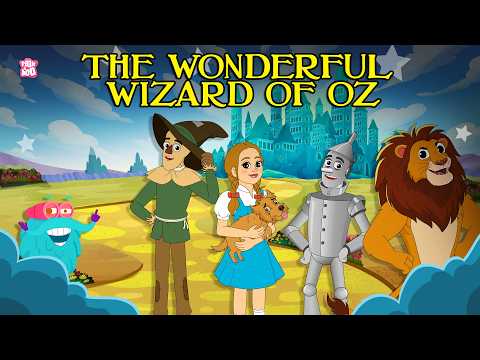
6 min3rd4th5th6thThe Wizard of Oz story (Dr. Binocs)
The Dr. Binocs Show · 2026
6 min2nd3rd4thPhotosynthesis
The Dr. Binocs Show · 2019
4 min4th5th6thParts of a plant (Dr. Binocs)
The Dr. Binocs Show · 2019
3 min1st2nd3rd4thParts of a flower and pollination
The Dr. Binocs Show · 2019
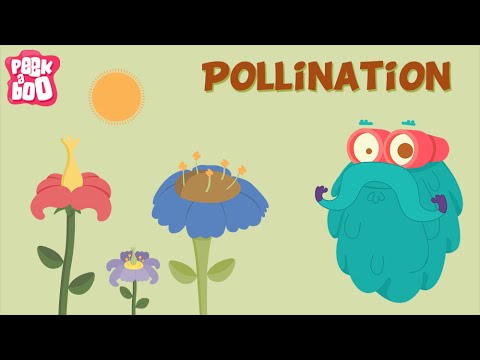
4 min2nd3rd4thWhat is pollination?
The Dr. Binocs Show · 2019
5 min2nd3rd4thHow seeds are formed
The Dr. Binocs Show · 2019
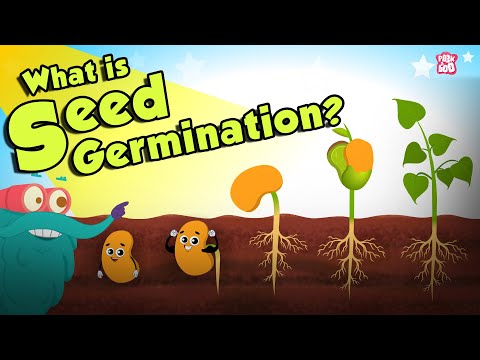
6 min3rd4th5thSeed germination
The Dr. Binocs Show · 2019
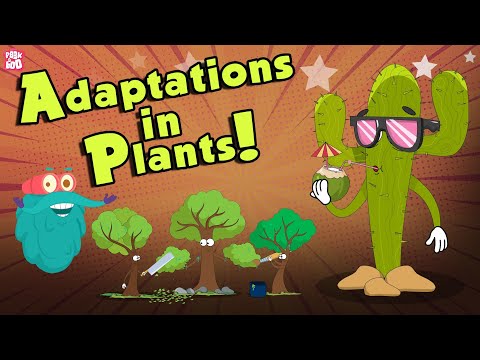
6 min1st2nd3rdAdaptations in plants
The Dr. Binocs Show · 2019
8 min3rd4th5thCarnivorous plants
The Dr. Binocs Show · 2019
4 min3rd4th5thHow plants get rid of waste
The Dr. Binocs Show · 2019
3 min5th6thHow to grow plants without soil
The Dr. Binocs Show · 2019
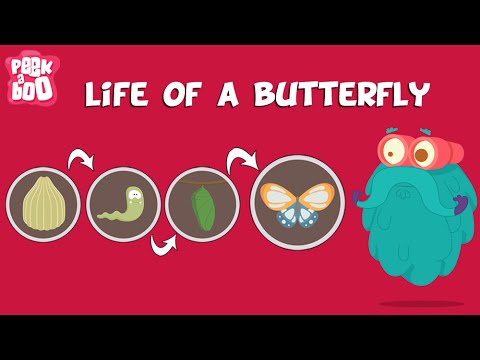
6 min4th5th6thLife cycle of a butterfly (Dr. Binocs)
The Dr. Binocs Show · 2019
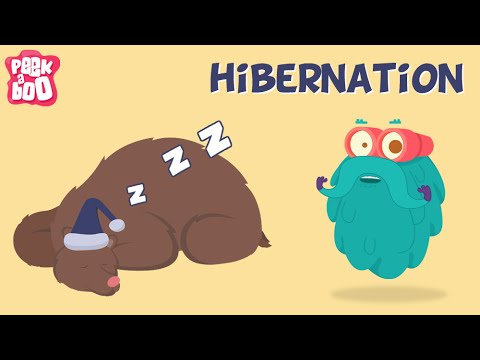
4 min2nd3rd4thHibernation
The Dr. Binocs Show · 2019
3 min2nd3rd4th5thMigratory birds
The Dr. Binocs Show · 2019
4 min2nd3rd4th5thAnimal adaptations
The Dr. Binocs Show · 2019
7 min3rd4th5th6thAnimal habitats
The Dr. Binocs Show · 2019
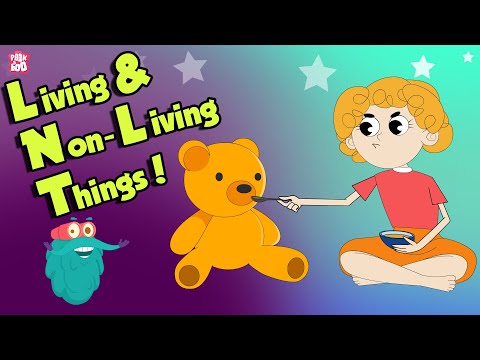
7 min2nd3rd4th5thLiving and non-living things
The Dr. Binocs Show · 2019
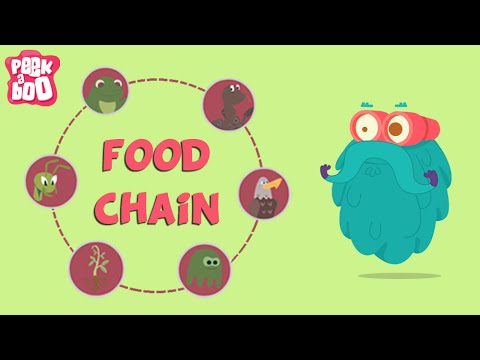
6 minK1st2ndWhat is a food chain?
The Dr. Binocs Show · 2019
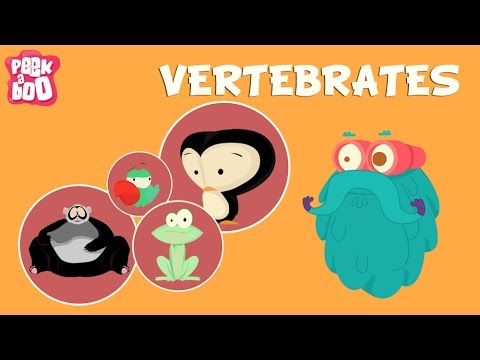
3 min4th5th6thVertebrates
The Dr. Binocs Show · 2019
4 min2nd3rd4th5th










Or use the filters above to narrow this down.