Series
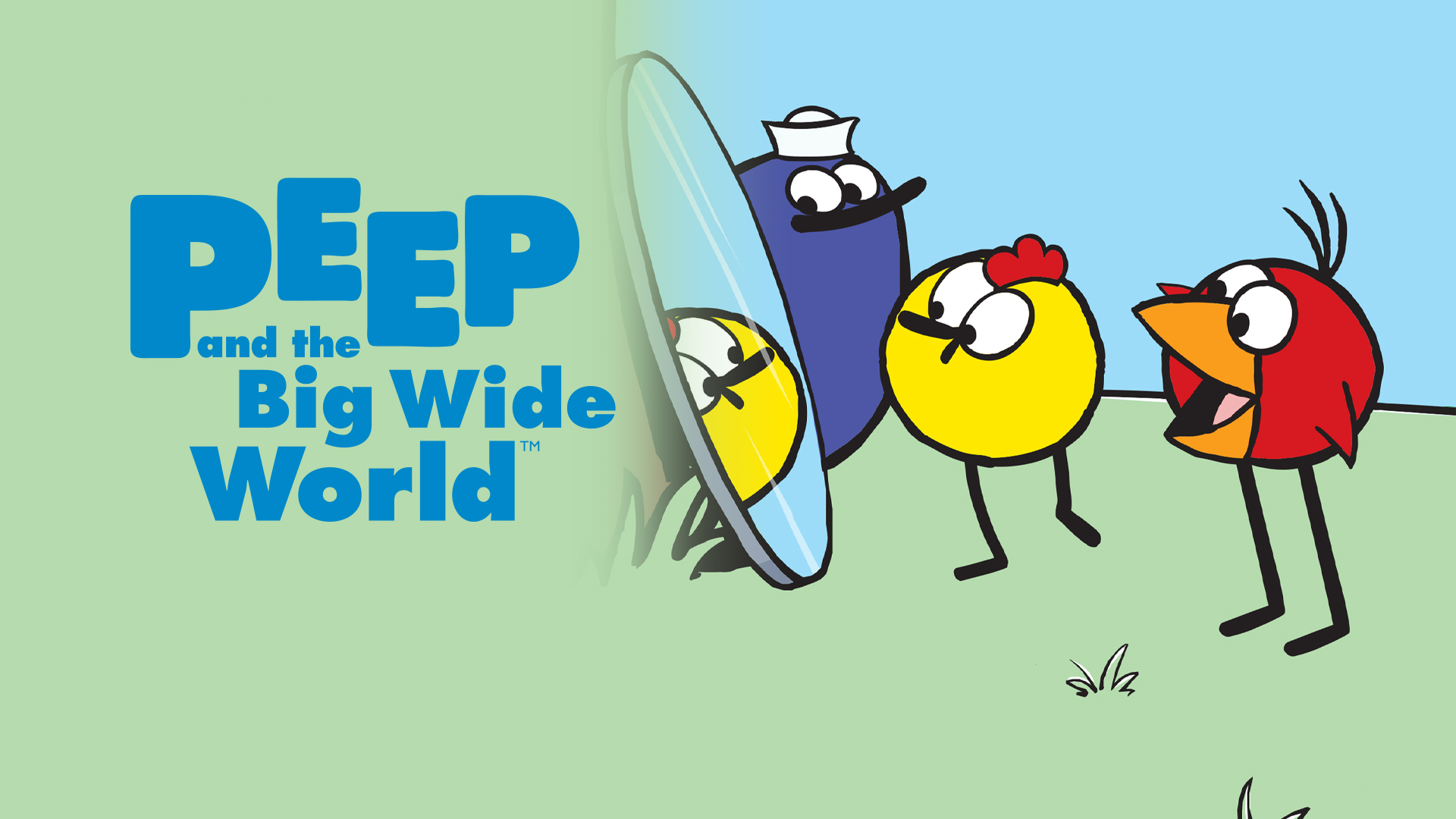
Peep and the Big Wide World
101 episodes
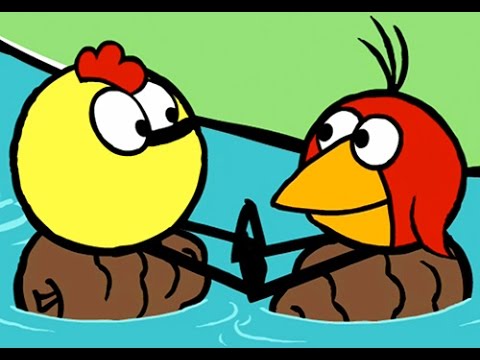
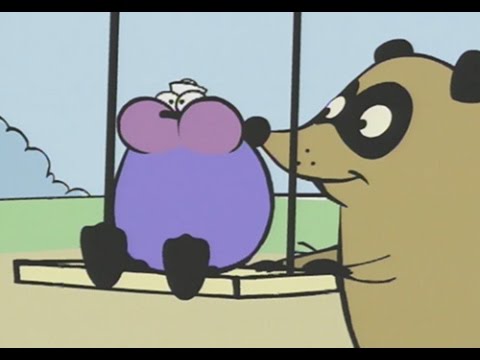
Peep the chicken, Chirp the robin, and Quack the duck bumble through the questions preK and kindergarten children ask out loud: why do things fall, which bird is bigger, what stays dry in the rain. The animated stories run about nine minutes, and interleaved with them are 90-second live-action clips of real children building ramps and dams, sorting collections, and testing what seeds need. Made with National Science Foundation funding for PBS and narrated in part by Joan Cusack, the series models observing closely and trying things out, which is what makes it sit so comfortably at the front of a science circle.
What Peep and the Big Wide World covers
101 episodes in the library, tagged for Pre-K–2nd. Heaviest coverage: Science, Social-Emotional Learning and Math. Between them they line up with 31 distinct standards across 7 frameworks.
Episodes per grade
- Pre-K
- 101
- K
- 101
- 1st
- 61
- 2nd
- 12
Episodes per subject
- Science
- 88
- Social-Emotional Learning
- 8
- Math
- 5
- Art
- 1
- Technology
- 1
NGSS (Science) 17
- K-PS2-1Plan and conduct an investigation to compare the effects of different strengths or different directions of pushes and pulls on the motion of an object.
- K-LS1-1Use observations to describe patterns of what plants and animals (including humans) need to survive.
- 2-PS1-1Plan and conduct an investigation to describe and classify different kinds of materials by their observable properties.
- 1-PS4-1Plan and conduct investigations to provide evidence that vibrating materials can make sound and that sound can make materials vibrate.
- K-2-ETS1-2Develop a simple sketch, drawing, or physical model to illustrate how the shape of an object helps it function as needed to solve a given problem.
- 1-PS4-3Plan and conduct an investigation to determine the effect of placing objects made with different materials in the path of a beam of light.
+ 11 more
- K-ESS2-1Use and share observations of local weather conditions to describe patterns over time.
- 1-PS4-2Make observations to construct an evidence-based account that objects can be seen only when illuminated.
- 1-ESS1-1Use observations of the sun, moon, and stars to describe patterns that can be predicted.
- 1-ESS1-2Make observations at different times of year to relate the amount of daylight to the time of year.
- 2-ESS2-3Obtain information to identify where water is found on Earth and that it can be solid or liquid.
- 2-LS2-1Plan and conduct an investigation to determine if plants need sunlight and water to grow.
- K-2-ETS1-1Ask questions, make observations, and gather information about a situation people want to change to define a simple problem that can be solved through the development of a new or improved object or tool.
- 1-LS1-1Use materials to design a solution to a human problem by mimicking how plants and/or animals use their external parts to help them survive, grow, and meet their needs.
- 1-PS4-4Use tools and materials to design and build a device that uses light or sound to solve the problem of communicating over a distance.
- K-2-ETS1-3Analyze data from tests of two objects designed to solve the same problem to compare the strengths and weaknesses of how each performs.
- K-ESS3-1Use a model to represent the relationship between the needs of different plants and animals and the places they live.
Common Core — Math 3
- K.MD.A.2Directly compare two objects with a measurable attribute in common, to see which object has "more of"/"less of" the attribute.
- K.G.A.2Correctly name shapes regardless of their orientations or overall size.
- K.MD.B.3Classify objects into given categories; count the numbers of objects in each category and sort the categories by count.
National Core Arts 1
- VA:Cr1.1.KEngage in exploration and imaginative play with materials.
CASEL (Social-Emotional) 7
- CASEL.RS.2Build and keep positive relationships and friendships.
- CASEL.RS.3Practice teamwork and solve problems collaboratively.
- CASEL.RS.4Resolve conflicts constructively — talk it out, repair, compromise.
- CASEL.RDM.2Identify solutions to personal and social problems.
- CASEL.RS.1Communicate clearly and listen actively.
- CASEL.SM.4Set personal and group goals and track progress toward them.
+ 1 more
- CASEL.SOA.1Take another person's perspective — describe a situation as they would see it.
ISTE (Technology) 1
- ISTE.1.4.aDesign process: follow a deliberate design process to generate ideas and possible solutions.
Common Core — Math Practices 1
- MP3Construct viable arguments and critique the reasoning of others.
ITEEA STEL (Technology & Engineering) 1
- STEL-7Design in Technology and Engineering Education
Every episode is vetted and tagged before it goes in. Pick your state in the filters above to see your own state’s codes alongside these.
24 of 101 results
All Fall Down
Peep and the Big Wide World
9 minPre-KK1st
Big Bird
Peep and the Big Wide World
9 minPre-KK1stBirds of a Feather
Peep and the Big Wide World
9 minPre-KK1stBridge the Gap
Peep and the Big Wide World
9 minPre-KK1st2ndBringing Spring
Peep and the Big Wide World
9 minPre-KK1stChirp Builds a Nest
Peep and the Big Wide World
9 minPre-KK1stChirp Flies the Coop
Peep and the Big Wide World
9 minPre-KK1stChirp, Chirp, Tweet, Tweet, Chirp
Peep and the Big Wide World
9 minPre-KK1stChirp's Flight Program
Peep and the Big Wide World · 2004
11 minPre-KKA Delicate Balance
Peep and the Big Wide World · 2004
11 minPre-KKThe Disappearing Drink
Peep and the Big Wide World
9 minPre-KK1st2ndDiva Duck
Peep and the Big Wide World
9 minPre-KK1stDry Duck, Part 1
Peep and the Big Wide World
9 minPre-KK1st2ndA Duck's Tale
Peep and the Big Wide World
9 minPre-KK1stDuckball
Peep and the Big Wide World
9 minPre-KK1stFaster Than a Duck
Peep and the Big Wide World
11 minPre-KK1stFinding Time
Peep and the Big Wide World
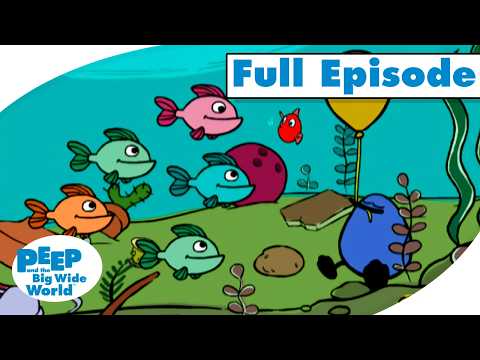
9 minPre-KK1stThe Fish Museum
Peep and the Big Wide World · 2004
11 minPre-KKFlipping Newton
Peep and the Big Wide World · 2004
11 minPre-KKFlower Shower
Peep and the Big Wide World
9 minPre-KK1st2ndGive Me A Call
Peep and the Big Wide World
9 minPre-KK1stHide and Go Peep
Peep and the Big Wide World
9 minPre-KK1stThe Incredible Shrinking Duck
Peep and the Big Wide World
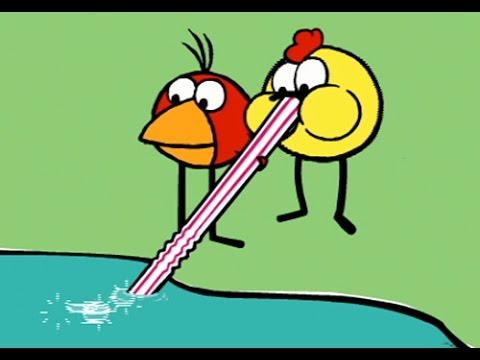
9 minPre-KK1stThe Last Straw
Peep and the Big Wide World
9 minPre-KK1st2nd








Or use the filters above to narrow this down.