Series
National Dance Institute
97 episodes
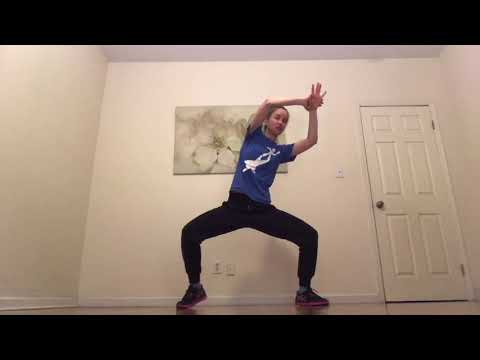
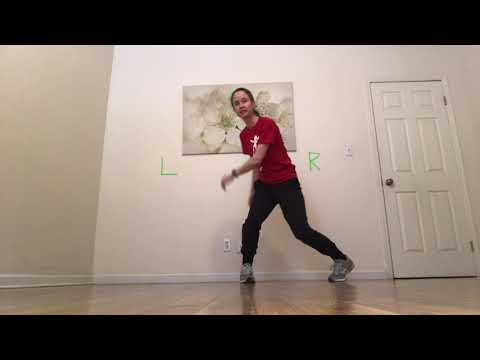
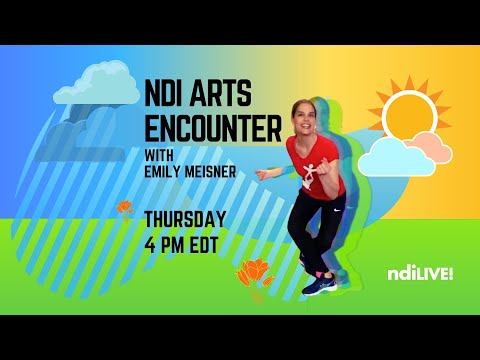
Ninety-seven recorded classes from National Dance Institute, the New York nonprofit that puts professional teaching artists in front of children learning to dance. The library is the NDI at Home sessions: beginner ballet with an emphasis on alignment and moving safely, an Appalachian clog dance broken across four progressive classes, body percussion where dancers clap and stamp their way through rhythm patterns, and Arts Encounter sessions that spark movement from a story or a piece of music. Most run seven to twenty-seven minutes and an NDI artist leads start to finish, so a teacher can clear the desks, press play, and dance along with the class.
What National Dance Institute covers
97 episodes in the library, tagged for Pre-K–5th. Heaviest coverage: Dance, Brain Breaks and Music. Between them they line up with 19 distinct standards across 1 framework.
Episodes per grade
- Pre-K
- 4
- K
- 35
- 1st
- 73
- 2nd
- 97
- 3rd
- 95
- 4th
- 93
- 5th
- 72
Episodes per subject
- Dance
- 95
- Brain Breaks
- 32
- Music
- 8
National Core Arts 19
- DA:Pr5.1.4aDemonstrate fundamental dance skills (for example, alignment, coordination, balance, core support, kinesthetic awareness) and movement qualities when replicating and recalling patterns and sequences of locomotor and non-locomotor movements.
- DA:Pr4.1.3aJudge spaces as distance traveled and use space three-dimensionally. Demonstrate shapes with positive and negative space. Perform movement sequences in and through space with intentionality and focus.
- DA:Pr5.1.3aReplicate body shapes, movement characteristics, and movement patterns in a dance sequence with awareness of body alignment and core support.
- DA:Pr5.1.2aDemonstrate a range of locomotor and non-locomotor movements, body patterning, and dance sequences that require moving through space using a variety of pathways.
- DA:Pr4.1.1bRelate quick, moderate and slow movements to duration in time. Recognize steady beat and move to varying tempi of steady beat.
- DA:Cr1.1.3aExperiment with a variety of self-identified stimuli (for example, music/sound, text, objects, images, notation, observed dance, experiences) for movement.
+ 13 more
- DA:Cn10.1.4aRelate the main idea or content in a dance to other experiences. Explain how the main idea of a dance is similar to or different from one’s own experiences, relationships, ideas or perspectives.
- DA:Cn11.1.4aSelect and describe movements in a specific genre or style and explain how the movements relate to the culture, society, historical period, or community from which the dance originated.
- DA:Pr5.1.3cRecall movement sequences with a partner or in group dance activities. Apply constructive feedback from teacher and selfcheck to improve dance skills
- DA:Pr4.1.4bAccompany other dancers using a variety of percussive instruments and sounds. Respond in movement to even and uneven rhythms. Recognize and respond to tempo changes as they occur in dance and music.
- MU:Cr1.1.3aImprovise rhythmic and melodic ideas, and describe connection to specific purpose and context.
- DA:Pr5.1.4bExecute techniques that extend movement range, build strength, and develop endurance. Explain the relationship between execution of technique, safe body-use, and healthful nutrition.
- DA:Cr1.1.1aExplore movement inspired by a variety of stimuli (for example, music/sound, text, objects, images, symbols, observed dance, experiences) and identify the source.
- DA:Cr1.1.KaRespond in movement to a variety of stimuli (for example, music/sound, text, objects, images, symbols, observed dance).
- DA:Pr5.1.1aDemonstrate a range of locomotor and non-locomotor movements, body patterning, body shapes, and directionality.
- DA:Pr5.1.1bMove safely in general space through a range of activities and group formations while maintaining personal space.
- MU:Pr4.2.3bWhen analyzing selected music, read and perform rhythmic patterns and melodic phrases using iconic and standard notation.
- DA:Pr4.1.4cAnalyze movements and phrases for use of energy and dynamic changes and use adverbs and adjectives to describe them. Based on the analysis, refine the phrases by incorporating a range of movement characteristics.
- DA:Pr5.1.5bDemonstrate safe body-use practices during technical exercises and movement combinations. Discuss how these practices, along with healthful eating habits, promote strength, flexibility, endurance and injury prevention.
Every episode is vetted and tagged before it goes in. Pick your state in the filters above to see your own state’s codes alongside these.
24 of 97 results
NDI at Home: Appalachian Clog Dance, Class 1
National Dance Institute · 2020
15 min2nd3rd4th5th
NDI at Home: Appalachian Clog Dance, Class 2
National Dance Institute · 2020
23 min2nd3rd4th5thNDI at Home: Appalachian Clog Dance, Class 3
National Dance Institute · 2020
17 min2nd3rd4th5thNDI at Home: Appalachian Clog Dance, Class 4
National Dance Institute · 2020
27 min2nd3rd4th5thNDI at Home: Arts Encounter (Apr 16, 2020)
National Dance Institute · 2020
16 min2nd3rd4th5thNDI at Home: Arts Encounter (Apr 30, 2020)
National Dance Institute · 2020
20 min2nd3rd4th5thNDI at Home: Arts Encounter (Dec 8, 2020)
National Dance Institute · 2020
10 min2nd3rd4th5thNDI at Home: Arts Encounter (Jan 5, 2021)
National Dance Institute · 2021
10 min2nd3rd4th5thNDI at Home: Arts Encounter (Jan 21, 2021)
National Dance Institute · 2021
11 min2nd3rd4th5thNDI at Home: Arts Encounter (Jul 2, 2020)
National Dance Institute · 2020
20 min2nd3rd4th5thNDI at Home: Arts Encounter (Jun 11, 2020)
National Dance Institute · 2020
9 min2nd3rd4th5thNDI at Home: Arts Encounter (Jun 25, 2020)
National Dance Institute · 2020
7 min2nd3rd4th5thNDI at Home: Arts Encounter (Mar 4, 2021)
National Dance Institute · 2021
9 min2nd3rd4th5thNDI at Home: Arts Encounter (Mar 25, 2021)
National Dance Institute · 2021
8 min2nd3rd4th5thNDI at Home: Arts Encounter (May 20, 2021)
National Dance Institute · 2021
10 min2nd3rd4th5thNDI at Home: Ballet Class
National Dance Institute · 2020
2 min2nd3rd4th5thNDI at Home: Ballet Class (Apr 13, 2020)
National Dance Institute · 2020
21 min2nd3rd4th5thNDI at Home: Ballet Class (Aug 4, 2020)
National Dance Institute · 2020
21 min2nd3rd4th5thNDI at Home: Body Percussion (Jun 26, 2020)
National Dance Institute · 2020
24 min1st2nd3rd4th5thNDI at Home: Body Percussion (Sep 23, 2022)
National Dance Institute · 2022
5 min1st2nd3rd4th5thNDI at Home: Body Percussion, Class 1 (Jul 9, 2020)
National Dance Institute · 2020
16 min1st2nd3rd4th5thNDI at Home: Body Percussion, Class 2 (Jul 16, 2020)
National Dance Institute · 2020
18 min1st2nd3rd4th5thNDI at Home: Body Percussion, Class 3 (Jul 23, 2020)
National Dance Institute · 2020
15 min1st2nd3rd4th5thNDI at Home: Body Percussion, Class 4 (Jul 30, 2020)
National Dance Institute · 2020
18 min1st2nd3rd4th5th






Or use the filters above to narrow this down.