Series
Meet the Helpers
74 episodes
One- to three-minute portraits of the people a child might meet in an emergency, made by WUCF with early-childhood and crisis-communication specialists and built for ages 3 to 8. Real people in real workplaces, no cartoons: the 9-1-1 operator who stays calm and asks questions before sending help, the doctor, the counselor who listens to big feelings, the American Sign Language interpreter carrying spoken words to people who are deaf or hard of hearing. Several jobs come in both a one-minute look and a longer visit. These fit a morning meeting, a transition, or a calm conversation about who helps.
What Meet the Helpers covers
74 episodes in the library, tagged for Pre-K–3rd. Heaviest coverage: Social Studies, Health and Social-Emotional Learning. Between them they line up with 28 distinct standards across 4 frameworks.
Episodes per grade
- Pre-K
- 55
- K
- 74
- 1st
- 74
- 2nd
- 74
- 3rd
- 19
Episodes per subject
- Social Studies
- 47
- Health
- 38
- Social-Emotional Learning
- 19
- Science
- 8
NGSS (Science) 2
- K-ESS3-2Ask questions to obtain information about the purpose of weather forecasting to prepare for, and respond to, severe weather.
- K-ESS2-1Use and share observations of local weather conditions to describe patterns over time.
Social Studies (C3 / NCSS) 8
- D2.Eco.4.K-2Describe the goods and services that people in the local community produce and those that are produced in other communities.
- D2.Civ.2.K-2Explain how all people, not just official leaders, play important roles in a community.
- D2.Civ.1.K-2Describe roles and responsibilities of people in authority.
- D2.Civ.6.K-2Describe how communities work to accomplish common tasks, establish responsibilities, and fulfill roles of authority.
- D2.Eco.12.K-2Describe examples of the goods and services that governments provide.
- D2.Civ.5.K-2Explain what governments are and some of their functions.
+ 2 more
- D4.8.K-2Use listening, consensus-building, and voting procedures to decide on and take action in their classrooms.
- D2.Civ.8.K-2Describe democratic principles such as equality, fairness, and respect for legitimate authority and rules.
CASEL (Social-Emotional) 9
- CASEL.RS.7Seek help when you need it and offer help when someone else does.
- CASEL.RS.9Show respect and cultural competency across differences in background, language, and ability.
- CASEL.SA.1Name your own feelings and notice how they change during the day.
- CASEL.RDM.6Reflect on your role in the well-being of your family, classroom, and community.
- CASEL.SM.2Use calming and stress-management strategies (deep breaths, a break, asking for space).
- CASEL.SOA.2Demonstrate empathy and compassion for others.
+ 3 more
- CASEL.RS.8Stand up for the rights of others.
- CASEL.SM.7Demonstrate personal and collective agency — recognize that your choices, alone and with others, change outcomes.
- CASEL.SOA.6Identify the different rules and norms groups follow, including ones that are unfair.
National Health Education 9
- NHES.1.2.4Identify safe and unsafe situations, people, and events.
- NHES.3.2.2Locate a trusted adult in the school building who can help you reach valid health services.
- NHES.1.2.5Identify practices that prevent or reduce health risks, such as handwashing.
- NHES.1.2.2Identify benefits of practicing health-promoting behaviors.
- NHES.7.2.1Demonstrate age-appropriate observable health and safety practices.
- NHES.4.2.4Tell a trusted adult when feeling threatened, harmed, or unsafe.
+ 3 more
- NHES.1.2.3Identify possible consequences of unhealthy behaviors.
- NHES.4.2.1Identify how good communication benefits personal health and well-being.
- NHES.7.2.3Explain how health and safety practices become habits.
Every episode is vetted and tagged before it goes in. Pick your state in the filters above to see your own state’s codes alongside these.
24 of 74 results
9-1-1 Operators are Helpers
Meet the Helpers
1 minPre-KK1st2nd

9-1-1 Operators Connect You to Emergency Services
Meet the Helpers
1 minPre-KK1st2nd9-1-1 Operators Help Connect People To Emergency Services
Meet the Helpers
3 minK1st2nd3rdAmerican Sign Language (ASL) Interpreters Help in Emergencies
Meet the Helpers
1 minPre-KK1st2ndThe Best Way to Stay Healthy is to Wash Your Hands Often
Meet the Helpers
1 minPre-KK1st2ndChildren are Helpers
Meet the Helpers
1 minPre-KK1st2ndCounselors Are There To Listen After Emergencies
Meet the Helpers
1 minPre-KK1st2ndCounselors Help Us Understand Our Feelings
Meet the Helpers
1 minPre-KK1st2ndA Doctor's Job is to Keep Us Healthy
Meet the Helpers
2 minK1st2nd3rdDoctors are Helpers
Meet the Helpers
1 minPre-KK1st2ndDoctors Help Sick or Injured People During Emergencies
Meet the Helpers
1 minPre-KK1st2ndDoctors Help Us Feel Better
Meet the Helpers
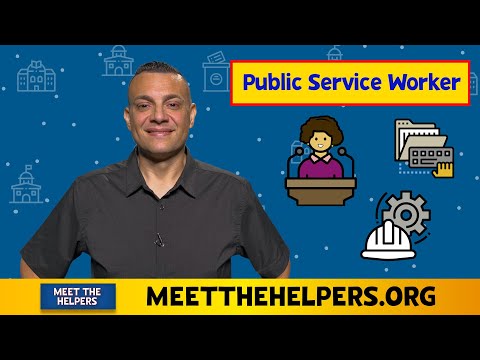
1 minPre-KK1st2ndDuring Emergencies, Public Service Workers Share Information
Meet the Helpers
1 minPre-KK1st2ndEpidemiologists Help Keep People Healthy
Meet the Helpers
1 minPre-KK1st2ndExplaining Social Distancing to Children
Meet the Helpers
1 minPre-KK1st2ndFeeling Sick? You Can Help Stop the Spread of Germs
Meet the Helpers
1 minPre-KK1st2ndFirefighters are Helpers
Meet the Helpers
1 minPre-KK1st2ndFirefighters Keep Us Safe From Fires
Meet the Helpers
1 minPre-KK1st2ndFirefighters Keep Us Safe in Many Ways During Emergencies
Meet the Helpers
1 minPre-KK1st2ndHelpers Are In Your School to Keep You Safe
Meet the Helpers
4 minK1st2nd3rdHelpers Speak Out Against Unfairness
Meet the Helpers
1 minK1st2nd3rdHow Can Kids Be Helpers In Their Neighborhoods?
Meet the Helpers
2 minK1st2nd3rdHow Children Can Be a Helper When Someone is Sick
Meet the Helpers
1 minPre-KK1st2ndHow Do American Sign Language (ASL) Interpreters Help the Community?
Meet the Helpers
4 minK1st2nd3rd





Or use the filters above to narrow this down.