Series
YouDance
179 episodes
Free, ad-free follow-along dance lessons for kids from YouDance. A teacher breaks down one real step at a time -- ballet positions, jazz steps, hip hop grooves, clogging footwork, contemporary movement -- demonstrates it slowly, then invites kids to dance it along to the count. Press play and move: no experience needed, no floor space required beyond a spot to stand.
What YouDance covers
179 episodes in the library, tagged for Pre-K–6th. Heaviest coverage: Dance and Brain Breaks. Between them they line up with 9 distinct standards across 1 framework.
Episodes per grade
- Pre-K
- 7
- K
- 7
- 1st
- 148
- 2nd
- 157
- 3rd
- 172
- 4th
- 172
- 5th
- 34
- 6th
- 22
Episodes per subject
- Dance
- 179
- Brain Breaks
- 4
National Core Arts 9
- DA:Pr5.1.3aReplicate body shapes, movement characteristics, and movement patterns in a dance sequence with awareness of body alignment and core support.
- DA:Pr4.1.3aJudge spaces as distance traveled and use space three-dimensionally. Demonstrate shapes with positive and negative space. Perform movement sequences in and through space with intentionality and focus.
- DA:Pr5.1.5aRecall and execute a series of dance phrases using fundamental dance skills (for example, alignment, coordination, balance, core support, kinesthetic awareness, clarity of movement).
- DA:Pr4.1.5aIntegrate static and dynamic shapes and floor and air pathways into dance sequences. Establish relationships with other dancers through focus of eyes and other body parts. Convert inward focus to outward focus for projecting out to far space.
- DA:Cr1.1.KbExplore different ways to do basic locomotor and nonlocomotor movements by changing at least one of the elements of dance.
- DA:Pr5.1.KaDemonstrate same-side and cross-body locomotor and non-locomotor movements, body patterning movements, and body shapes.
+ 3 more
- DA:Cn11.1.3aFind a relationship between movement in a dance from a culture, society, or community and the culture from which the dance is derived. Explain what the movements communicate about key aspects of the culture, society, or community.
- DA:Pr4.1.3bFulfill specified duration of time with improvised locomotor and non-locomotor movements. Differentiate between “in time” and “out of time” to music. Perform movements that are the same or of a different time orientation to accompaniment. Use metric and kinesthetic phrasing.
- DA:Pr5.1.5bDemonstrate safe body-use practices during technical exercises and movement combinations. Discuss how these practices, along with healthful eating habits, promote strength, flexibility, endurance and injury prevention.
Every episode is vetted and tagged before it goes in. Pick your state in the filters above to see your own state’s codes alongside these.
24 of 179 results
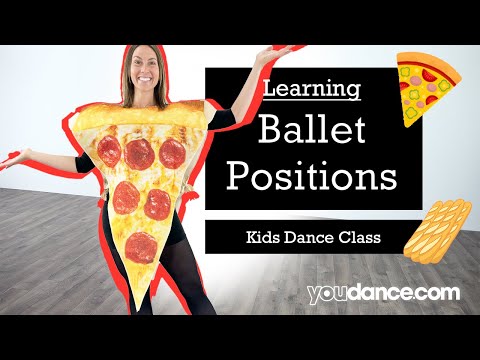
For KIDS - learn ballet positions (with pizza!) *Preschool Class*
YouDance · 2021
14 minPre-KK1st2nd
Quick & Easy Ballet Dance For Beginners - 4th of July, Patriotic
YouDance · 2021
15 min1st2nd3rd4th3 Tips for the PERFECT PIROUETTE
YouDance · 2021
1 min3rd4th5th6thFor KIDS - Ballet, Learn LEFT and RIGHT
YouDance · 2021
15 minPre-KK1st2ndTendu Quiz - Beginner Ballet
YouDance · 2021
1 min1st2nd3rd4thPractice Tendus En Croix - Beginner Ballet
YouDance · 2021
1 min1st2nd3rd4thHow to Tendu En Croix - Beginner Ballet
YouDance · 2021
7 min1st2nd3rd4thPractice Tendus to the Back - Beginner Ballet
YouDance · 2021
1 min1st2nd3rd4thHow to Tendu to the Back - Beginner Ballet
YouDance · 2021
5 min1st2nd3rd4thPractice Tendu to the Side - Beginner Ballet
YouDance · 2021
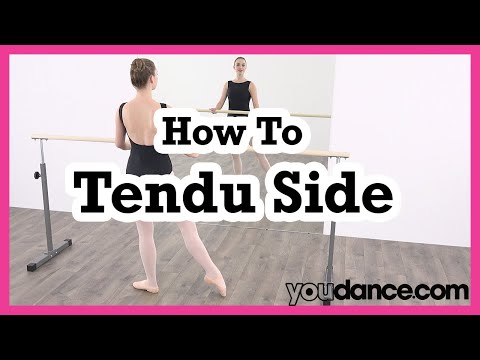
1 min1st2nd3rd4thHow to do a Tendu to the Side - Beginner Ballet
YouDance · 2021
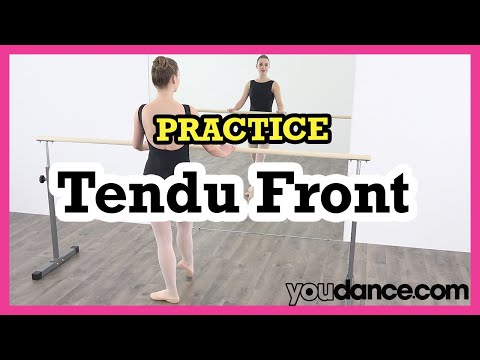
4 min1st2nd3rd4thTendu Front Practice - Beginner Ballet
YouDance · 2021
1 min1st2nd3rd4thHow to Tendu Front - Beginner Ballet
YouDance · 2021
4 min1st2nd3rd4thBeginner Ballet Quiz! -Demi Plié, 1st, 2nd & 3rd Positions
YouDance · 2021
1 min1st2nd3rd4thPractice Demi Plié Combo - Beginner Ballet
YouDance · 2021
1 min1st2nd3rd4thDemi Plié Combo, 1st-3rd Positions - Beginner Ballet
YouDance · 2021
9 min1st2nd3rd4thPractice 3rd Position Demi Pliés - Beginner Ballet
YouDance · 2021
1 min1st2nd3rd4thHow to do 3RD POSITION in demi plié - Beginner Ballet
YouDance · 2021
8 min1st2nd3rd4thPractice 2nd Position Demi Pliés - Beginner Ballet
YouDance · 2021
2 min1st2nd3rd4thHow to do 2ND POSITION and DEMI PLIÉ - Beginner Ballet
YouDance · 2021
3 min1st2nd3rd4thPractice 1st Position Demi Pliés - Beginner Ballet
YouDance · 2021
2 min1st2nd3rd4thHow to do 1ST POSITION and DEMI PLIÉ - Beginner Ballet
YouDance · 2021
5 min1st2nd3rd4thSauté & Changements combo PRACTICE - Beginner Ballet
YouDance · 2021
1 min1st2nd3rd4thBeginner Sauté and Changement Combo - Beginner Ballet
YouDance · 2021
2 min1st2nd3rd4th






Or use the filters above to narrow this down.