Series
Sesame Street
432 episodes
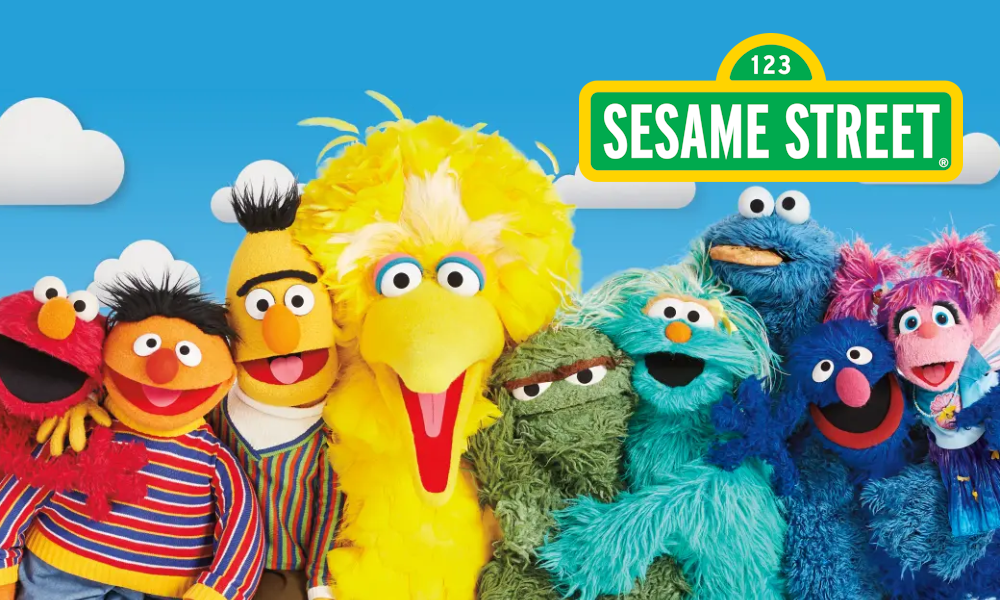
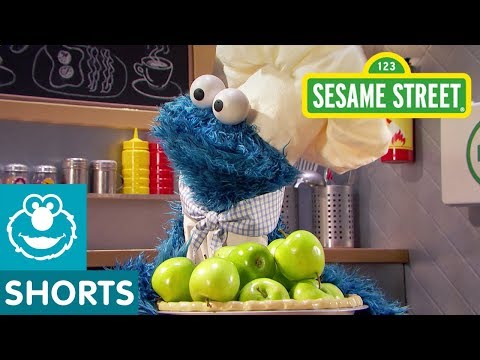
Segments and clips lifted out of Sesame Street rather than whole broadcast episodes, most between one and five minutes. Counting ladybugs to fifteen, Abby and Cookie Monster subtracting cookies, position words in, on, and under, the alphabet in several different arrangements including one in Spanish, songs about bugs, oceans, and naming feelings. Longer entries come from the recurring strands: an Elmo World episode spends five predictable minutes on a single idea, and Cookie Monster Foodie Truck cooks a dish from order to plate. Familiar faces do a lot of the work in the youngest rooms, and the pieces are small enough to use one at a time.
What Sesame Street covers
432 episodes in the library, tagged for Pre-K–3rd. Heaviest coverage: Reading & Writing (ELA), Science and Math. Between them they line up with 86 distinct standards across 7 frameworks.
Episodes per grade
- Pre-K
- 250
- K
- 432
- 1st
- 431
- 2nd
- 254
- 3rd
- 14
Episodes per subject
- Reading & Writing (ELA)
- 115
- Science
- 95
- Math
- 81
- Health
- 77
- Social-Emotional Learning
- 67
- Social Studies
- 44
- Music
- 12
- Art
- 11
- Dance
- 1
NGSS (Science) 11
- 2-LS4-1Make observations of plants and animals to compare the diversity of life in different habitats.
- 2-LS2-1Plan and conduct an investigation to determine if plants need sunlight and water to grow.
- K-LS1-1Use observations to describe patterns of what plants and animals (including humans) need to survive.
- K-ESS3-3Communicate solutions that will reduce the impact of humans on the land, water, air, and/or other living things in the local environment.
- 1-LS1-2Read texts and use media to determine patterns in behavior of parents and offspring that help offspring survive.
- K-ESS2-1Use and share observations of local weather conditions to describe patterns over time.
+ 5 more
- 1-ESS1-1Use observations of the sun, moon, and stars to describe patterns that can be predicted.
- 3-LS1-1Develop models to describe that organisms have unique and diverse life cycles but all have in common birth, growth, reproduction, and death.
- K-PS3-1Make observations to determine the effect of sunlight on Earth's surface.
- 2-PS1-1Plan and conduct an investigation to describe and classify different kinds of materials by their observable properties.
- 3-LS4-1Analyze and interpret data from fossils to provide evidence of the organisms and the environments in which they lived long ago.
Common Core — Math 10
- K.CC.B.5Count to answer "how many?" questions about as many as 20 things arranged in a line, array, or circle, or as many as 10 things in a scattered configuration.
- K.MD.A.1Describe measurable attributes of objects, such as length or weight; describe several measurable attributes of a single object.
- K.CC.B.4Understand the relationship between numbers and quantities; connect counting to cardinality.
- K.G.A.2Correctly name shapes regardless of their orientations or overall size.
- K.CC.A.1Count to 100 by ones and by tens.
- K.MD.B.3Classify objects into given categories; count the numbers of objects in each category and sort the categories by count.
+ 4 more
- K.OA.A.1Represent addition and subtraction with objects, fingers, mental images, drawings, sounds, acting out situations, verbal explanations, expressions, or equations.
- K.CC.C.6Identify whether the number of objects in one group is greater than, less than, or equal to the number of objects in another group.
- K.OA.A.2Solve addition and subtraction word problems, and add and subtract within 10, using objects or drawings to represent the problem.
- K.G.A.1Describe objects in the environment using names of shapes, and describe the relative positions of these objects using terms such as above, below, beside, in front of, behind, and next to.
Common Core — ELA 7
- L.K.4Determine or clarify the meaning of unknown and multiple-meaning words and phrases based on kindergarten reading and content.
- RF.K.1Demonstrate understanding of the organization and basic features of print.
- L.1.4Determine or clarify the meaning of unknown and multiple-meaning words and phrases based on grade 1 reading and content.
- RF.K.3Know and apply grade-level phonics and word analysis skills in decoding words.
- RL.K.2With prompting and support, retell familiar stories, including key details.
- RF.K.2Demonstrate understanding of spoken words, syllables, and sounds (phonemes).
+ 1 more
- W.K.3Use a combination of drawing, dictating, and writing to narrate a single event and tell about the events in order.
Social Studies (C3 / NCSS) 19
- D2.Eco.3.K-2Describe the skills and knowledge required to produce certain goods and services.
- D2.Civ.10.K-2Compare their own point of view with others' perspectives.
- D2.Geo.6.K-2Identify some cultural and environmental characteristics of specific places.
- D2.Civ.2.K-2Explain how all people, not just official leaders, play important roles in a community.
- D2.Civ.8.K-2Describe democratic principles such as equality, fairness, and respect for legitimate authority and rules.
- D2.His.2.K-2Compare life in the past to life today.
+ 13 more
- D2.Civ.11.K-2Explain how people can work together to make decisions in the classroom.
- D2.Civ.14.K-2Describe how people have tried to improve their communities over time.
- D2.Civ.3.K-2Explain the need for and purposes of rules in various settings inside and outside of school.
- D2.Civ.7.K-2Apply civic virtues when participating in school settings.
- D2.Civ.9.K-2Follow agreed-upon rules for discussions while responding attentively to others when addressing ideas and making decisions as a group.
- D2.Eco.1.K-2Explain how scarcity necessitates decision making.
- D2.Eco.10.K-2Explain why people save.
- D2.Eco.4.K-2Describe the goods and services that people in the local community produce and those that are produced in other communities.
- D2.Eco.6.K-2Explain how people earn income.
- D2.Geo.7.K-2Explain why and how people, goods, and ideas move from place to place.
- D2.His.3.K-2Generate questions about individuals and groups who have shaped a significant historical change.
- D2.His.9.K-2Identify different kinds of historical sources.
- D4.7.K-2Identify ways to take action to help address local, regional, and global problems.
National Core Arts 12
- MU:Pr4.2.KaWith guidance, explore and demonstrate awareness of music contrasts (such as high/low, loud/soft, same/different) in a variety of music selected for performance.
- VA:Cr2.1.KThrough experimentation, build skills in various media and approaches to art-making.
- MU:Pr4.1.KaWith guidance, demonstrate and state personal interest in varied musical selections.
- VA:Cr1.1.1Engage collaboratively in exploration and imaginative play with materials.
- DA:Cn11.1.1aWatch and/or perform a dance from a different culture and discuss or demonstrate the types of movement danced.
- MU:Cr1.1.KaWith guidance, explore and experience music concepts such as beat and melodic contour.
+ 6 more
- VA:Cr3.1.KExplain the process of making art while creating.
- DA:Re10.1.KaRecognize and name an emotion that is experienced when watching, improvising, or performing dance and relate it to a personal experience.
- MU:Cn11.0.KaDemonstrate understanding of relationships between music and the other arts, other disciplines, varied contexts, and daily life.
- MU:Re8.1.KaWith guidance, demonstrate awareness of expressive qualities (such as dynamics and tempo) that reflect creators’/performers’ expressive intent.
- VA:Cn11.1.KIdentify a purpose of an artwork.
- VA:Cr1.1.KEngage in exploration and imaginative play with materials.
CASEL (Social-Emotional) 21
- CASEL.SM.2Use calming and stress-management strategies (deep breaths, a break, asking for space).
- CASEL.SOA.2Demonstrate empathy and compassion for others.
- CASEL.RS.2Build and keep positive relationships and friendships.
- CASEL.SA.1Name your own feelings and notice how they change during the day.
- CASEL.RS.9Show respect and cultural competency across differences in background, language, and ability.
- CASEL.SA.3Recognize your own strengths, interests, and the assets you bring from your family and culture.
+ 15 more
- CASEL.RS.3Practice teamwork and solve problems collaboratively.
- CASEL.SA.6Hold a growth mindset: treat effort, practice, and mistakes as how ability grows.
- CASEL.SOA.1Take another person's perspective — describe a situation as they would see it.
- CASEL.RS.4Resolve conflicts constructively — talk it out, repair, compromise.
- CASEL.RS.8Stand up for the rights of others.
- CASEL.SM.3Show self-discipline and self-motivation — keep working when a task gets hard or boring.
- CASEL.RDM.6Reflect on your role in the well-being of your family, classroom, and community.
- CASEL.RS.1Communicate clearly and listen actively.
- CASEL.SA.2Connect feelings, thoughts, and actions — notice what set a feeling off and what you did next.
- CASEL.SA.5Show self-confidence — believe you can do hard things and take on a challenge.
- CASEL.SM.1Manage strong emotions and impulses instead of acting on them right away.
- CASEL.RDM.2Identify solutions to personal and social problems.
- CASEL.RS.7Seek help when you need it and offer help when someone else does.
- CASEL.SA.4Show honesty and integrity, including admitting mistakes.
- CASEL.SOA.6Identify the different rules and norms groups follow, including ones that are unfair.
National Health Education 6
- NHES.1.2.6List ways to take part in healthy practices, such as brushing teeth daily.
- NHES.7.2.1Demonstrate age-appropriate observable health and safety practices.
- NHES.1.2.2Identify benefits of practicing health-promoting behaviors.
- NHES.5.2.5Choose the health-promoting option when making a decision.
- NHES.3.2.5Discuss reasons for going to a health appointment (eye doctor, dentist, pediatrician).
- NHES.1.2.7List ways to prevent common childhood injuries and health problems (bike helmets, water instead of sugary drinks).
Every episode is vetted and tagged before it goes in. Pick your state in the filters above to see your own state’s codes alongside these.
24 of 432 results
1, 2, 3 Goodnight
Sesame Street
3 minPre-KK1st2nd

15 Ladybugs in the Garden
Sesame Street
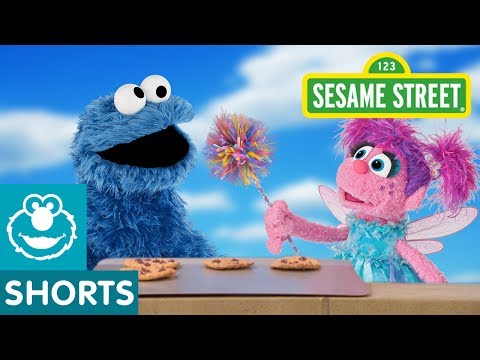
1 minPre-KK1stAbby and Cookie Monster Subtract Cookies
Sesame Street
3 minPre-KK1stAbby and Grover Sing Nursery Rhymes
Sesame Street
4 minPre-KK1stAbby Cadabby Sings "I Love Words"
Sesame Street
3 minPre-KK1stABC Disco with Grover
Sesame Street
3 minPre-KK1stABC-DEF-GHI
Sesame Street
2 minPre-KK1stABCs en Español
Sesame Street
2 minPre-KK1stAll Around the Ocean Song
Sesame Street
2 minK1st2ndAlphabet (Elmo's World)
Sesame Street
5 minPre-KK1stThe Alphabet Song in American Sign Language
Sesame Street
3 minPre-KK1stAlphabet Song Remix
Sesame Street
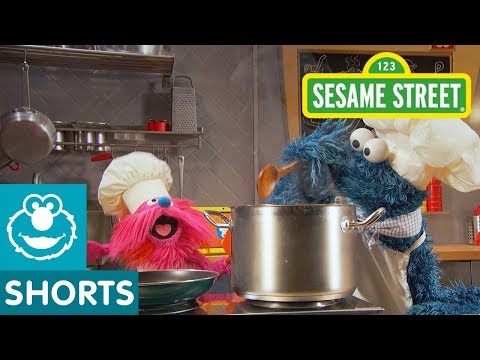
2 minPre-KK1stAngel Hair Pasta (Cookie Monster's Foodie Truck)
Sesame Street
5 minK1st2ndAnimal Habitats (Elmo's World)
Sesame Street
5 minPre-KK1stAnimal Houses
Sesame Street
1 minK1st2ndAnimals In, On, and Under
Sesame Street
4 minPre-KK1stAnother Monster at the End of This Book (read-aloud)
Sesame Street
6 minPre-KK1stApple and Peanut Butter Sandwiches (Cookie Monster's Foodie Truck)
Sesame Street
5 minK1st2ndApple Pie (Cookie Monster's Foodie Truck)
Sesame Street
5 minK1st2ndApples and Bananas Song
Sesame Street
4 minPre-KK1stArt School (Murray Had a Little Lamb)
Sesame Street
7 minK1st2ndB is for Bees
Sesame Street
2 minK1st2ndB is for Book
Sesame Street
2 minPre-KK1stBanana Chips (Cookie Monster's Foodie Truck)
Sesame Street
5 minK1st2nd








Or use the filters above to narrow this down.