Series
Ready Jet Go!
33 episodes
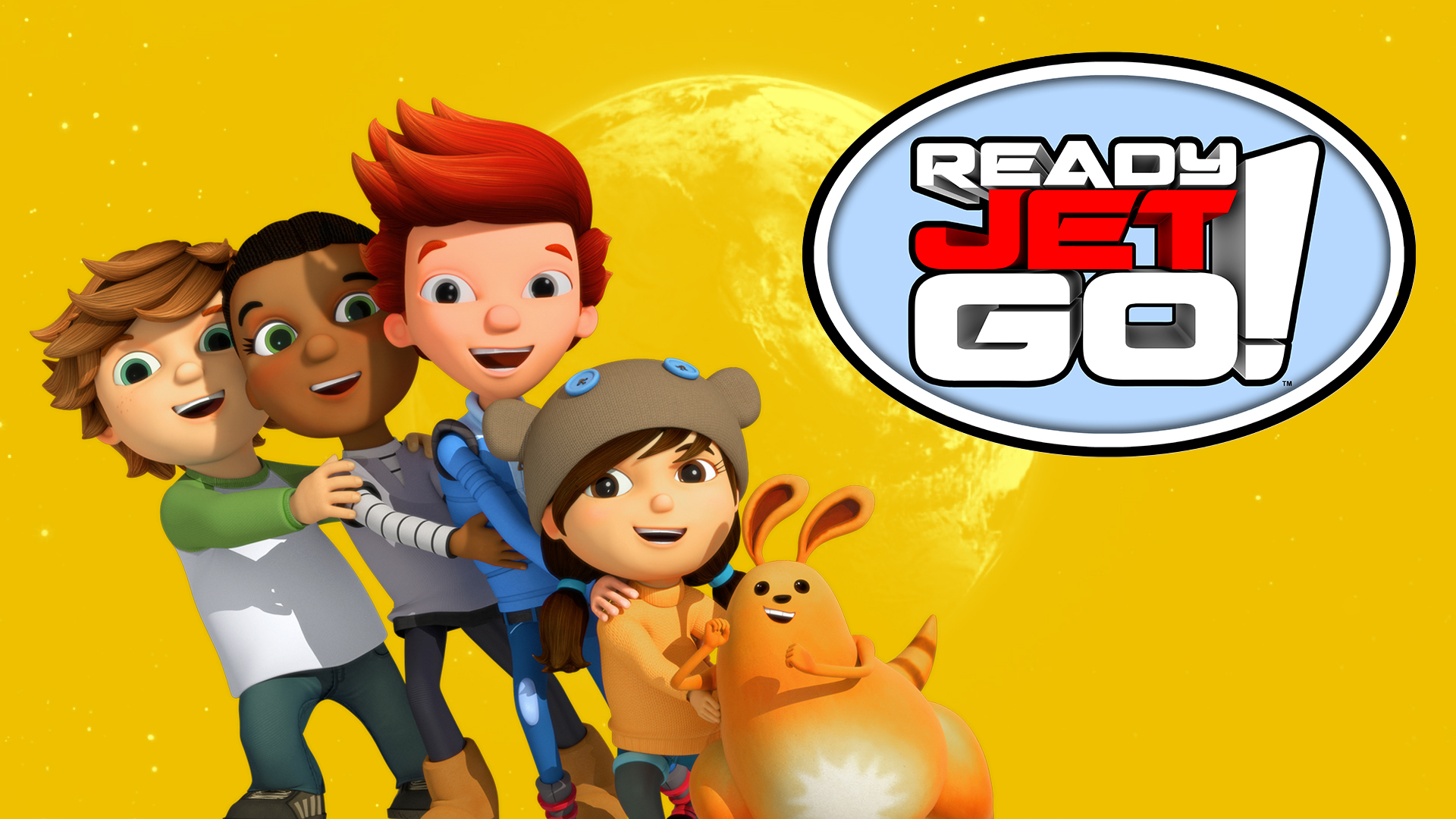
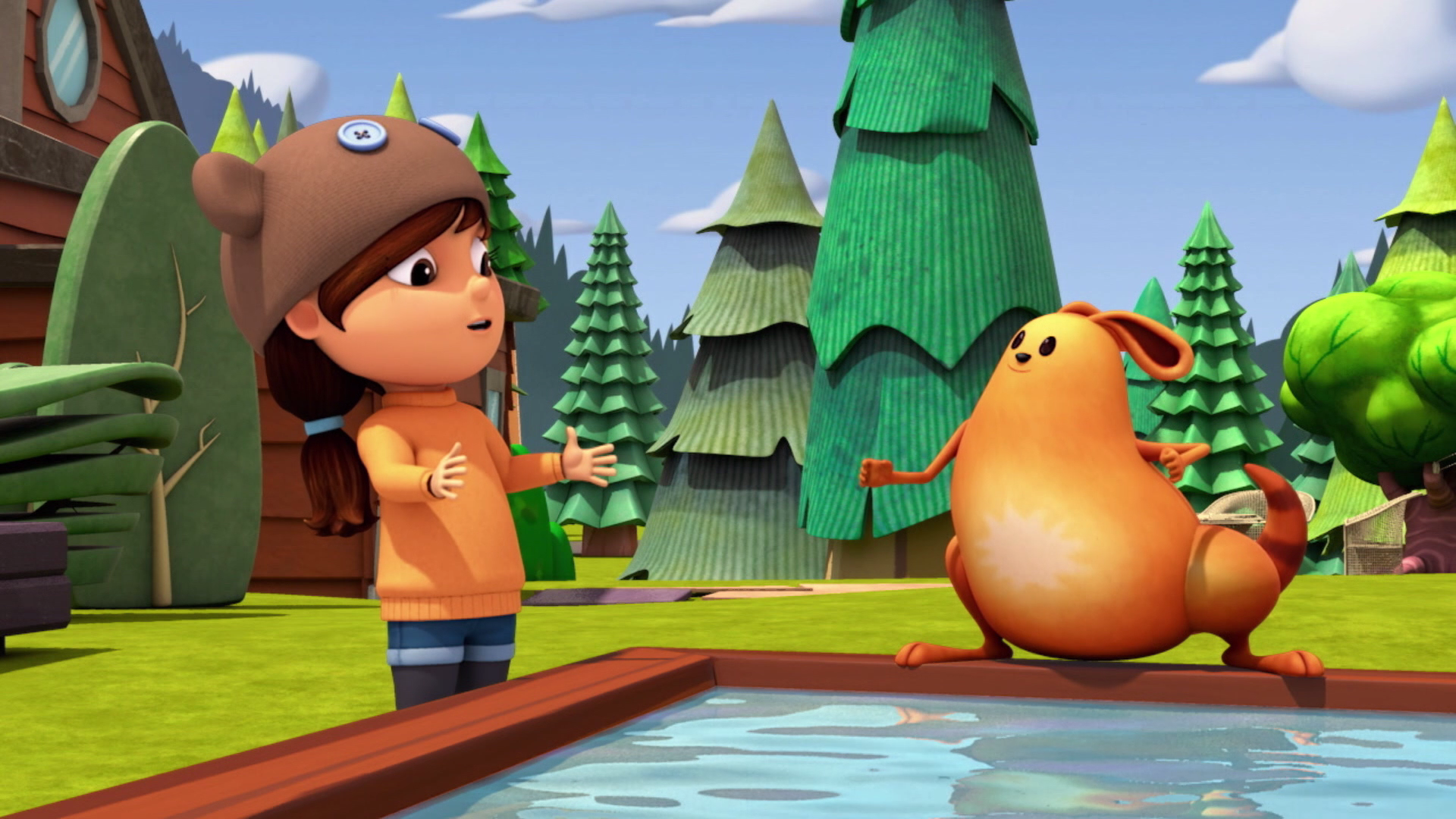
Jet and his neighborhood friends Sean, Sydney, and Mindy take space science one question at a time. Most of the 33 entries are four-minute clips from PBS LearningMedia, each settling one thing: why Pluto stopped counting as a planet, what separates an asteroid from a meteor from a meteorite, what Earth's four layers are, why some planets are rocky and others are balls of gas. Longer eleven- to twenty-three-minute episodes send the kids to build model rockets, design a robotic arm to fish a toy out of a crevice, or watch a lunar eclipse on Halloween night. One is a sing-along about craters.
What Ready Jet Go! covers
33 episodes in the library, tagged for Pre-K–3rd. Heaviest coverage: Science, Technology and Music. Between them they line up with 15 distinct standards across 3 frameworks.
Episodes per grade
- Pre-K
- 4
- K
- 18
- 1st
- 32
- 2nd
- 33
- 3rd
- 32
Episodes per subject
- Science
- 33
- Technology
- 4
- Music
- 1
NGSS (Science) 10
- 1-ESS1-1Use observations of the sun, moon, and stars to describe patterns that can be predicted.
- 2-ESS1-1Use information from several sources to provide evidence that Earth events can occur quickly or slowly.
- 2-ESS2-3Obtain information to identify where water is found on Earth and that it can be solid or liquid.
- 5-ESS1-1Support an argument that differences in the apparent brightness of the sun compared to other stars is due to their relative distances from Earth.
- K-PS3-1Make observations to determine the effect of sunlight on Earth's surface.
- 1-PS4-1Plan and conduct investigations to provide evidence that vibrating materials can make sound and that sound can make materials vibrate.
+ 4 more
- 3-PS2-1Plan and conduct an investigation to provide evidence of the effects of balanced and unbalanced forces on the motion of an object.
- 5-ESS1-2Represent data in graphical displays to reveal patterns of daily changes in length and direction of shadows, day and night, and the seasonal appearance of some stars in the night sky.
- 5-ESS2-2Describe and graph the amounts of salt water and fresh water in various reservoirs to provide evidence about the distribution of water on Earth.
- 5-PS2-1Support an argument that the gravitational force exerted by Earth on objects is directed down.
National Core Arts 1
- MU:Re7.2.3aDemonstrate and describe how a response to music can be informed by the structure, the use of the elements of music, and context.
ISTE (Technology) 4
- ISTE.1.4.cPrototypes: build, test, and improve prototypes through cycles of revision.
- ISTE.1.1.dTechnology fundamentals: understand how the technology you use works, and try out new tools confidently.
- ISTE.1.4.aDesign process: follow a deliberate design process to generate ideas and possible solutions.
- ISTE.1.4.dOpen-ended problems: stick with problems that have no single right answer.
Every episode is vetted and tagged before it goes in. Pick your state in the filters above to see your own state’s codes alongside these.
24 of 33 results
Asteroids, Meteors, and Meteorites
Ready Jet Go! · 2016
4 min1st2nd3rd
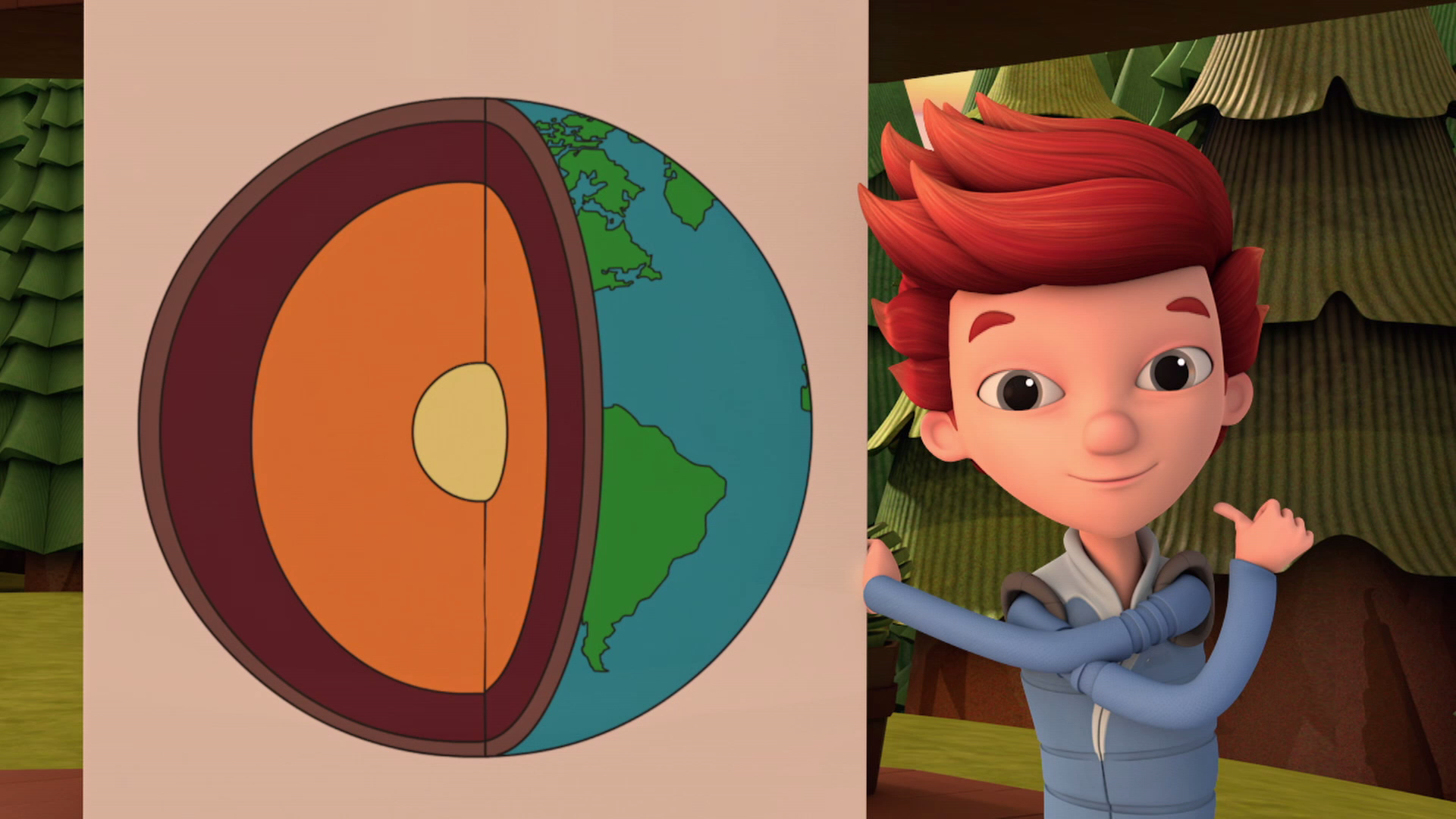
The Center of the Earth
Ready Jet Go! · 2016
4 min1st2nd3rdClearing the Neighborhood
Ready Jet Go! · 2016
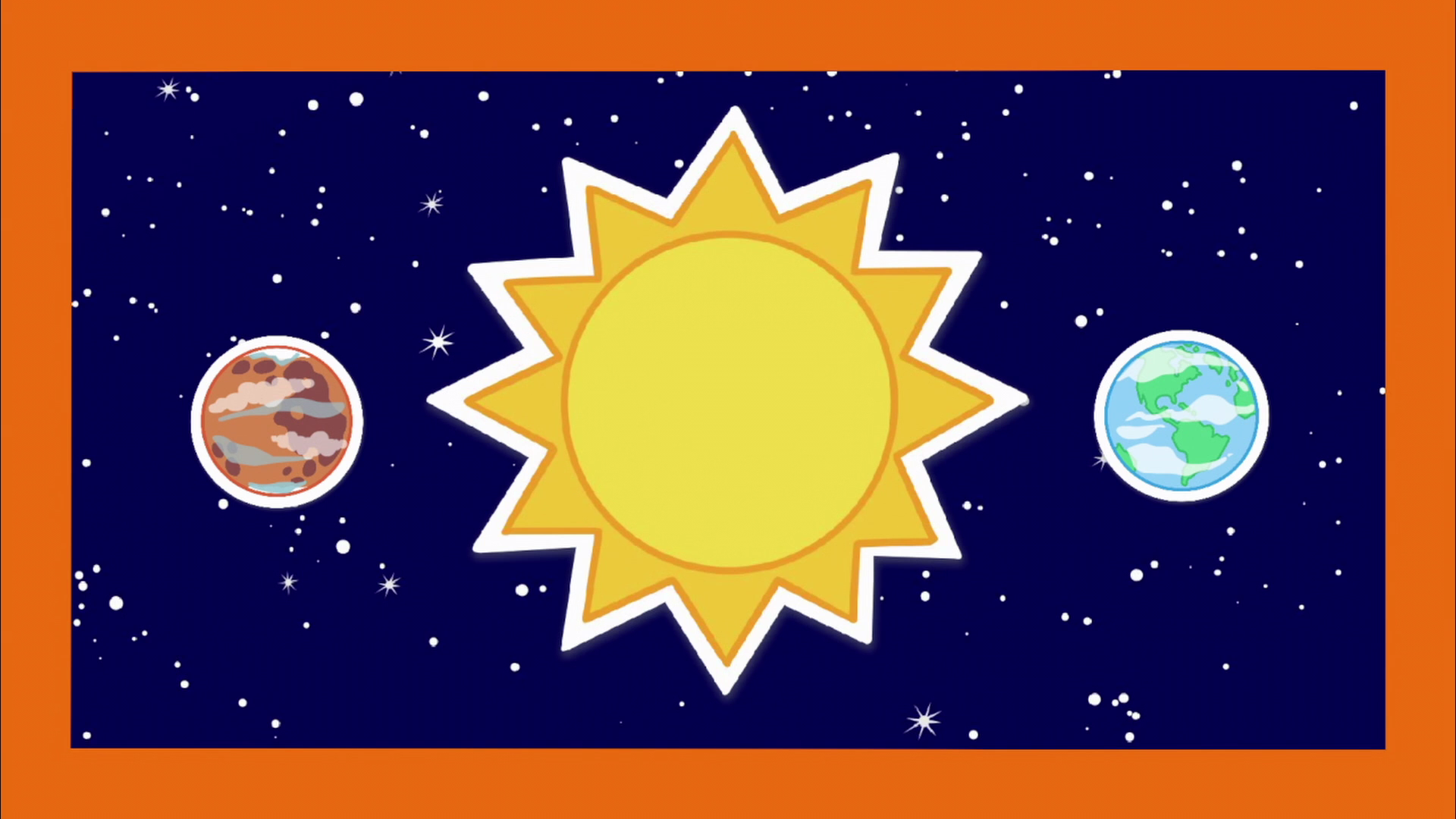
4 min1st2nd3rdEarth and Mars
Ready Jet Go! · 2016
4 min1st2nd3rdEarth's Layers
Ready Jet Go! · 2016
4 min1st2nd3rdThe Energy From the Sun
Ready Jet Go! · 2016
4 minK1st2nd3rdExploring the Heliosphere
Ready Jet Go! · 2017
4 min2nd3rdHow Come the Moon Has Craters Song
Ready Jet Go! · 2016
2 minPre-KK1st2ndHow the Planets Rotate
Ready Jet Go! · 2016
4 min1st2nd3rdThe Ice Moon Enceladus
Ready Jet Go! · 2016
4 min1st2nd3rdJet's First Halloween
Ready Jet Go! · 2016
23 minK1st2nd3rd
Journey to the Moon
Ready Jet Go! · 2016
4 minK1st2nd3rdLone Star 2 - Rocket Kids!
Ready Jet Go! · 2018
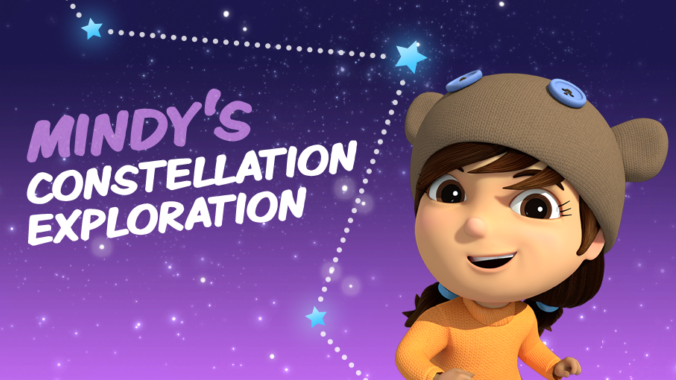
11 minK1st2nd3rdMindy's Constellation Exploration
Ready Jet Go! · 2017
4 minK1st2nd3rdMindy's Ice Rink
Ready Jet Go! · 2018
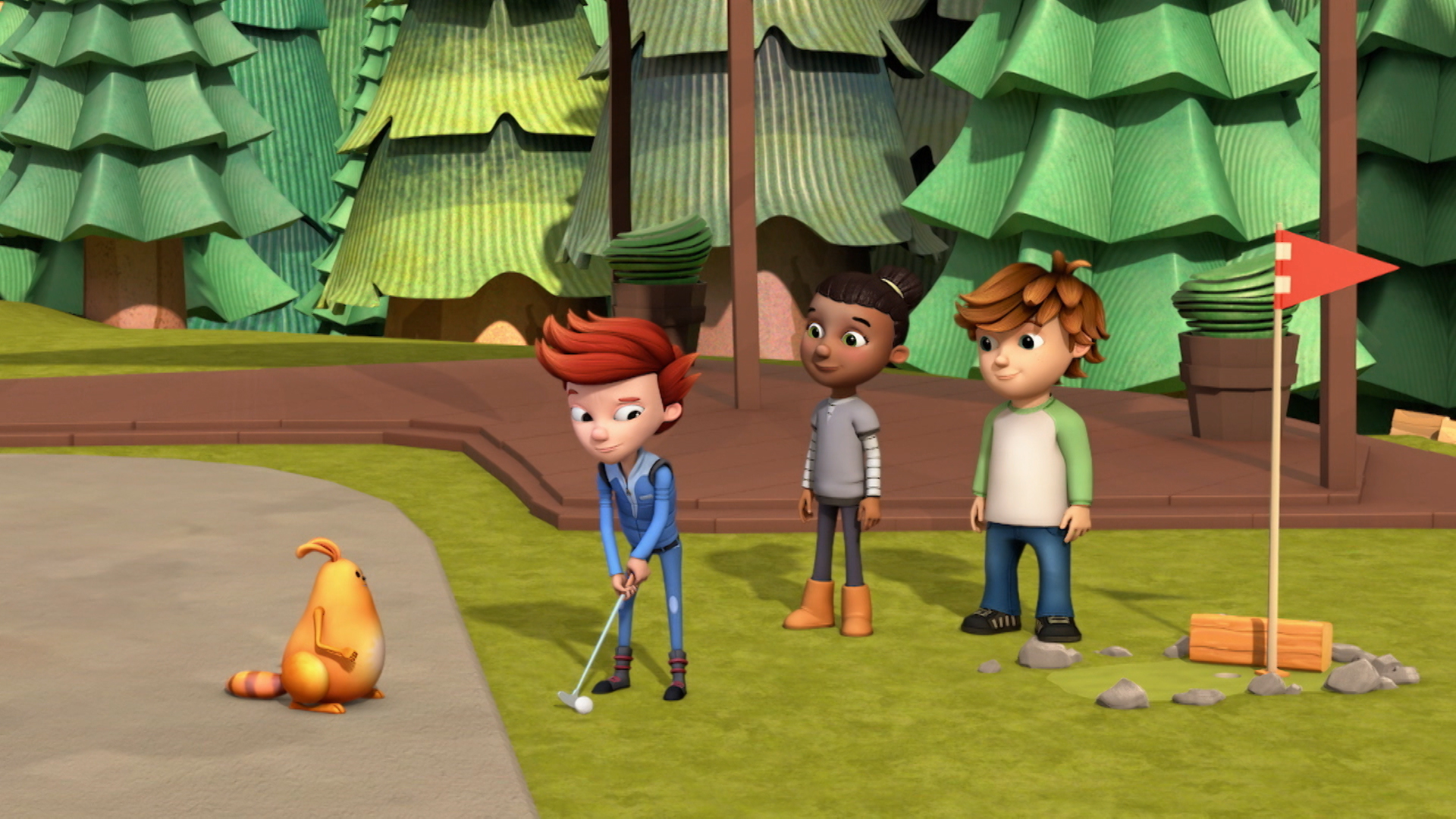
11 minPre-KK1st2nd3rdMini-Golf at the DSA
Ready Jet Go! · 2018
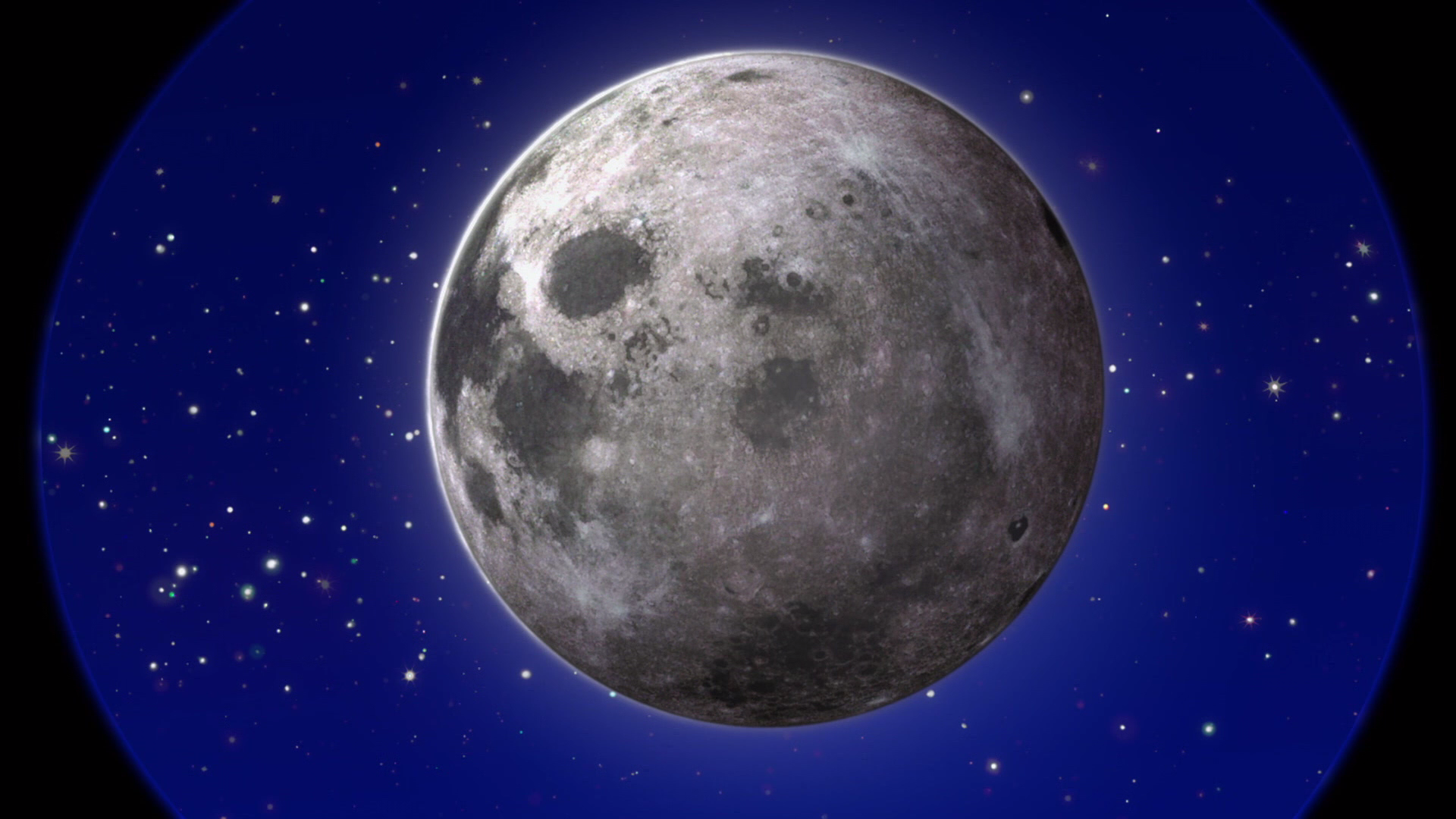
11 minK1st2nd3rdThe Moon And Its Craters
Ready Jet Go! · 2016
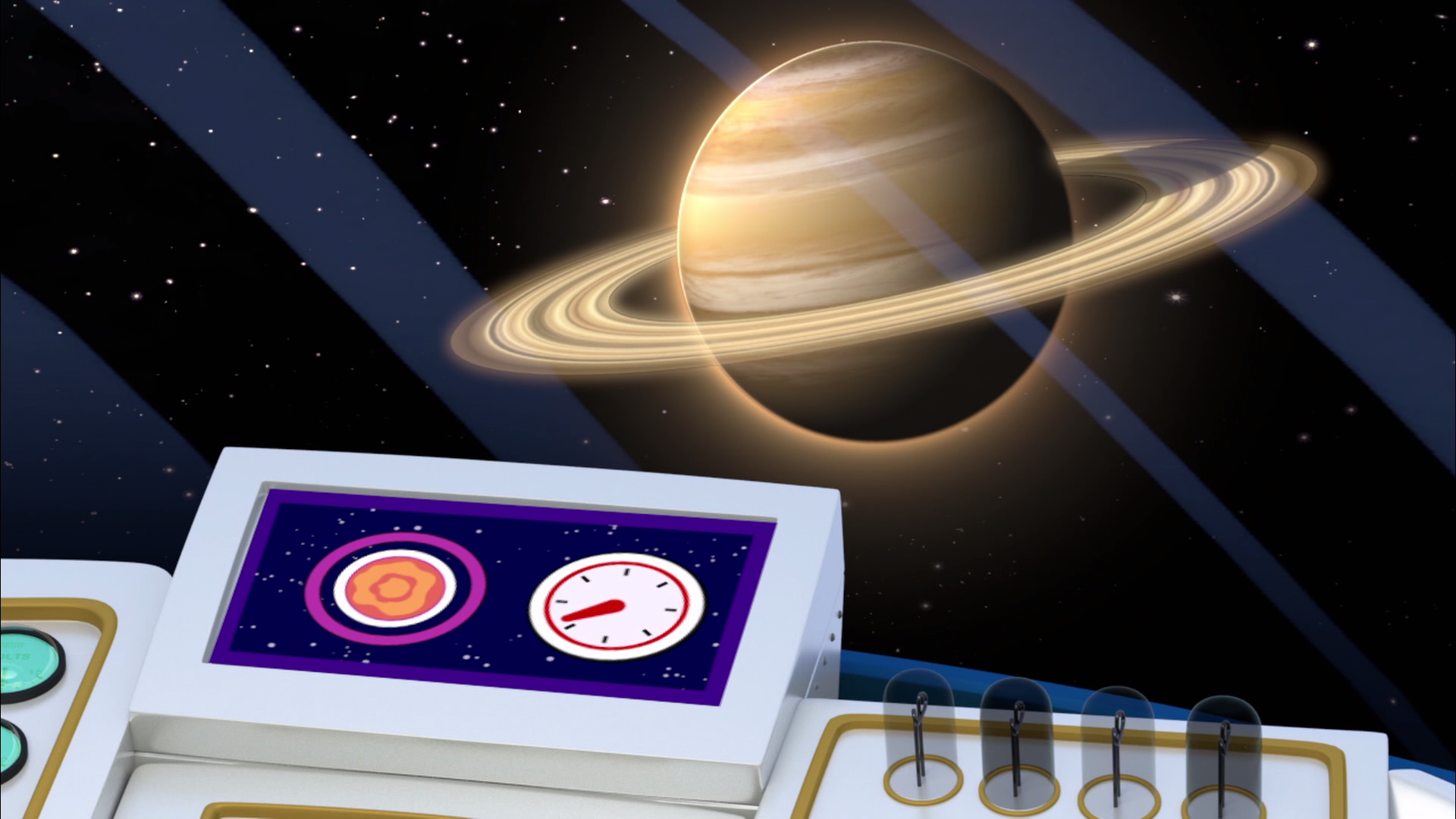
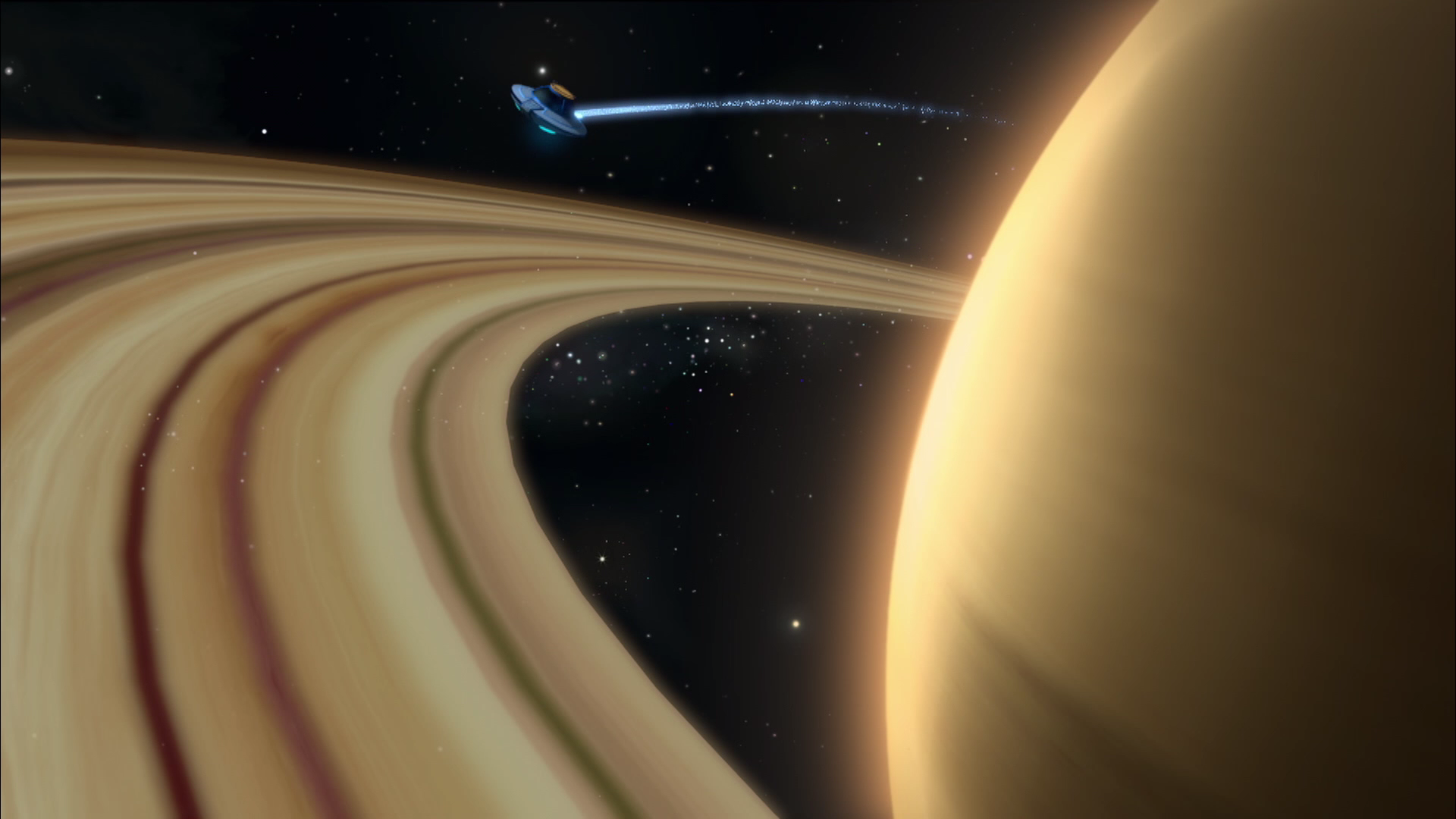
4 min1st2nd3rdThe Rings of Saturn
Ready Jet Go! · 2016
4 min1st2nd3rdRovers and Solar Power
Ready Jet Go! · 2016
4 minK1st2nd3rdSean's Robotic Arm
Ready Jet Go! · 2018
11 minK1st2nd3rdTerrestrial and Gas Planets
Ready Jet Go! · 2016
4 min1st2nd3rdTotal Eclipse of the Sunspot
Ready Jet Go! · 2017
23 minK1st2nd3rdTotal Solar Eclipse
Ready Jet Go! · 2018
4 minK1st2nd3rdTour of the Solar System
Ready Jet Go! · 2016
4 minPre-KK1st2nd3rd




Or use the filters above to narrow this down.