Series
Mystery Science
26 episodes
Video lessons from Mystery Science, each built around a question a child would actually ask: could a statue's shadow move? Where can you find whales in a desert? How could you send a secret message to someone far away? The video sets up the puzzle, walks students through observations and evidence, and lands on a hands-on activity. Coverage runs across K-5 science (weather and natural hazards, energy and motion, fossils, animal behavior, chemical reactions), plus short mini-lessons on what scientists actually do all day. Better for opening a unit than for reviewing one.

What Mystery Science covers
26 episodes in the library, tagged for K–5th. Heaviest coverage: Science. Between them they line up with 18 distinct standards across 1 framework.
Episodes per grade
- K
- 10
- 1st
- 9
- 2nd
- 8
- 3rd
- 10
- 4th
- 10
- 5th
- 9
Episodes per subject
- Science
- 26
NGSS (Science) 18
- 3-5-ETS1-1Define a simple design problem reflecting a need or a want that includes specified criteria for success and constraints on materials, time, or cost.
- 1-ESS1-1Use observations of the sun, moon, and stars to describe patterns that can be predicted.
- 3-5-ETS1-2Generate and compare multiple possible solutions to a problem based on how well each is likely to meet the criteria and constraints of the problem.
- 4-LS1-1Construct an argument that plants and animals have internal and external structures that function to support survival, growth, behavior, and reproduction.
- K-LS1-1Use observations to describe patterns of what plants and animals (including humans) need to survive.
- 1-PS4-4Use tools and materials to design and build a device that uses light or sound to solve the problem of communicating over a distance.
+ 12 more
- 2-ESS2-2Develop a model to represent the shapes and kinds of land and bodies of water in an area.
- 2-LS4-1Make observations of plants and animals to compare the diversity of life in different habitats.
- 3-ESS3-1Make a claim about the merit of a design solution that reduces the impacts of a weather-related hazard.
- 3-LS4-1Analyze and interpret data from fossils to provide evidence of the organisms and the environments in which they lived long ago.
- 3-LS4-3Construct an argument with evidence that in a particular habitat some organisms can survive well, some survive less well, and some cannot survive at all.
- 4-PS3-1Use evidence to construct an explanation relating the speed of an object to the energy of that object.
- 4-PS3-3Ask questions and predict outcomes about the changes in energy that occur when objects collide.
- 5-PS1-3Make observations and measurements to identify materials based on their properties.
- 5-PS1-4Conduct an investigation to determine whether the mixing of two or more substances results in new substances.
- K-2-ETS1-1Ask questions, make observations, and gather information about a situation people want to change to define a simple problem that can be solved through the development of a new or improved object or tool.
- K-ESS2-1Use and share observations of local weather conditions to describe patterns over time.
- K-PS2-1Plan and conduct an investigation to compare the effects of different strengths or different directions of pushes and pulls on the motion of an object.
Every episode is vetted and tagged before it goes in. Pick your state in the filters above to see your own state’s codes alongside these.
26 results
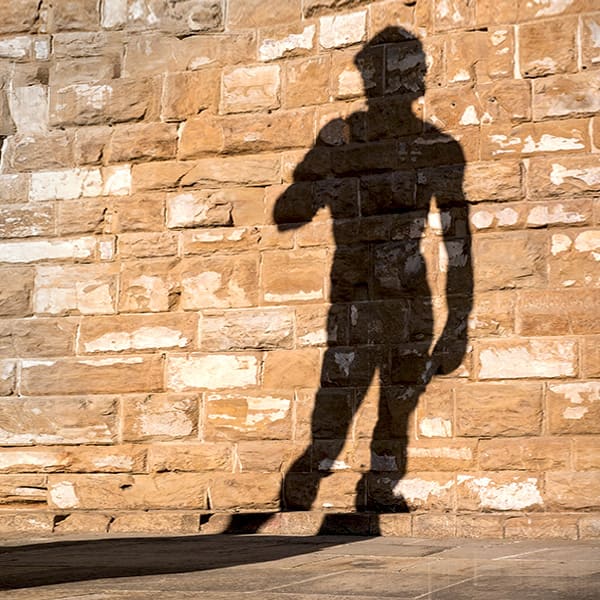
Could a statue's shadow move?
Mystery Science
1st
Could you knock down a building using only dominoes?
Mystery Science
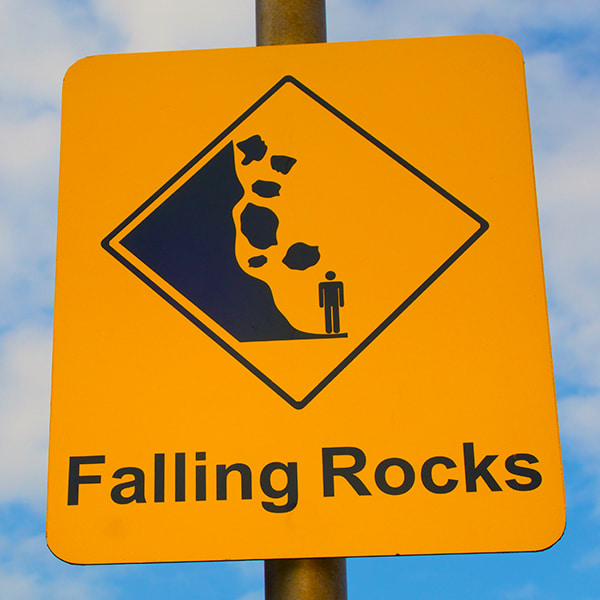
4thHow can we protect a mountain town from falling rocks?
Mystery Science
KHow can you find animals in the woods?
Mystery Science
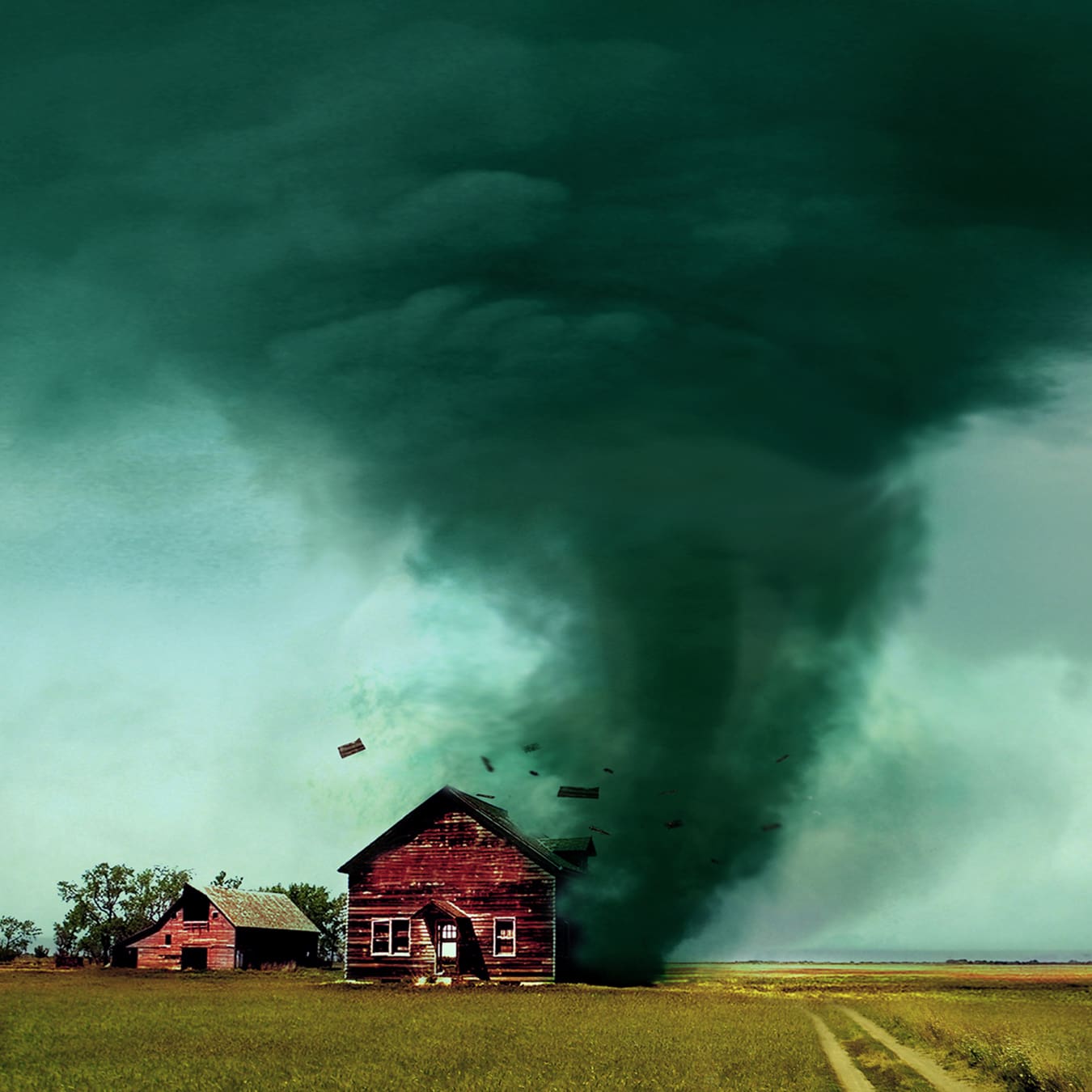
KHow can you keep a house from blowing away in a windstorm?
Mystery Science
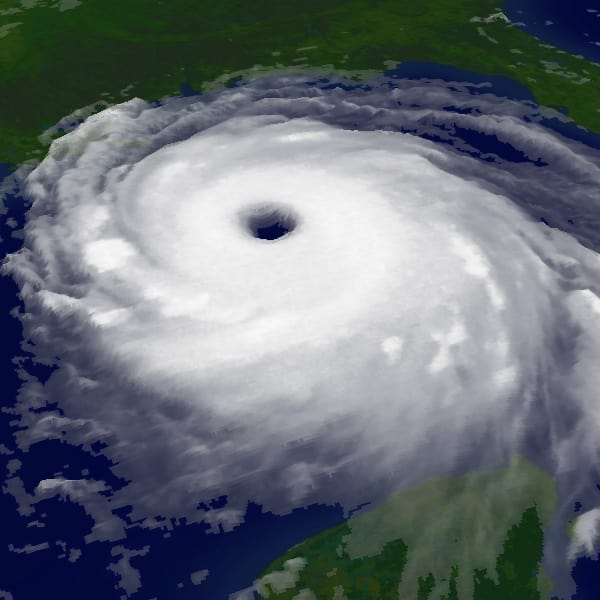
3rdHow can you save a town from a hurricane?
Mystery Science
5thHow could you send a secret message to someone far away?
Mystery Science
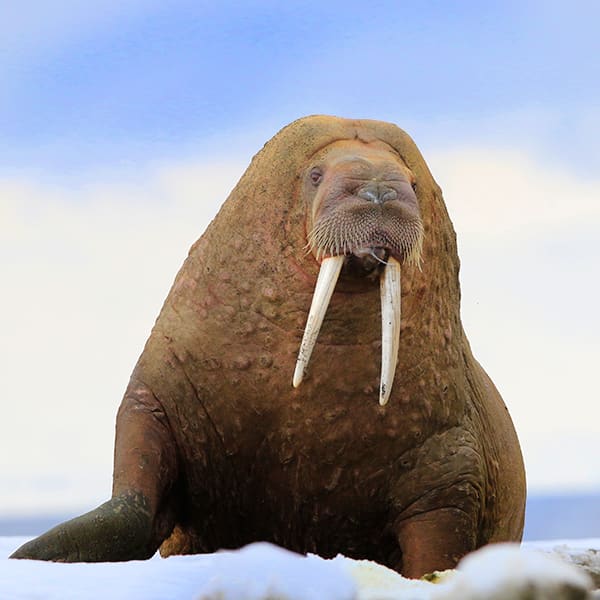
1stHow do polar animals survive the cold? (Mystery Science)
Mystery Science
K1st2nd3rd4th5thHow do scientists know so much? (Mystery Science)
Mystery Science
K1st2nd3rd4th5thHow do you become a great inventor?
Mystery Science
K1st2nd3rd4th5thIf you floated down a river, where would you end up?
Mystery Science
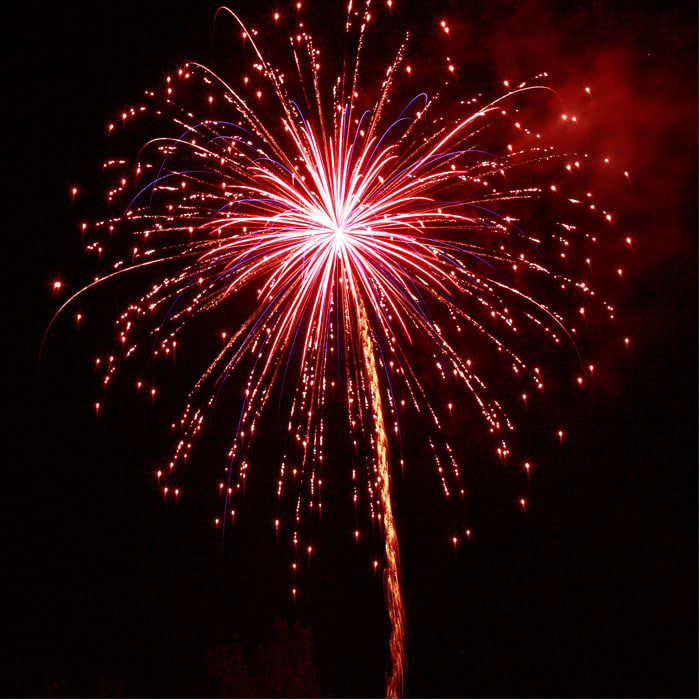
2ndWhat do fireworks, rubber, and Silly Putty have in common?
Mystery Science
5thWhat does a scientist do? (Mystery Science)
Mystery Science
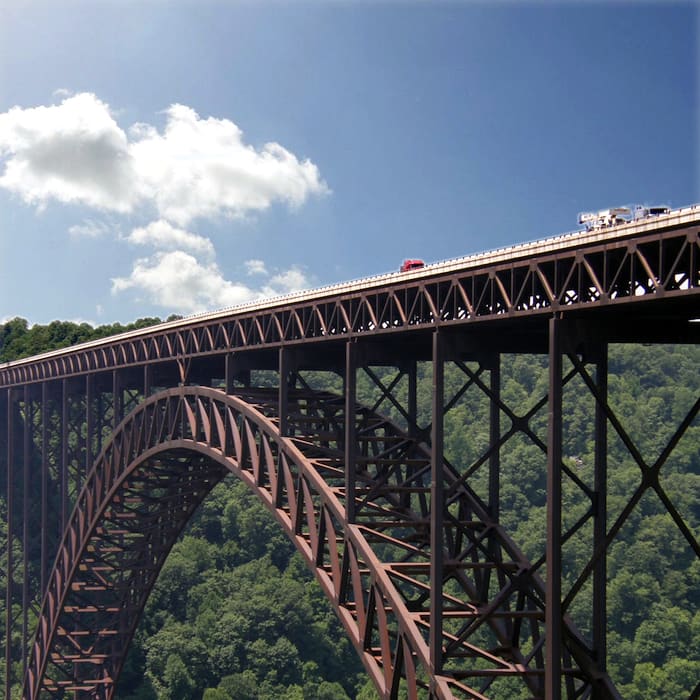
K1st2nd3rd4th5thWhat makes bridges so strong? (Mystery Science)
Mystery Science
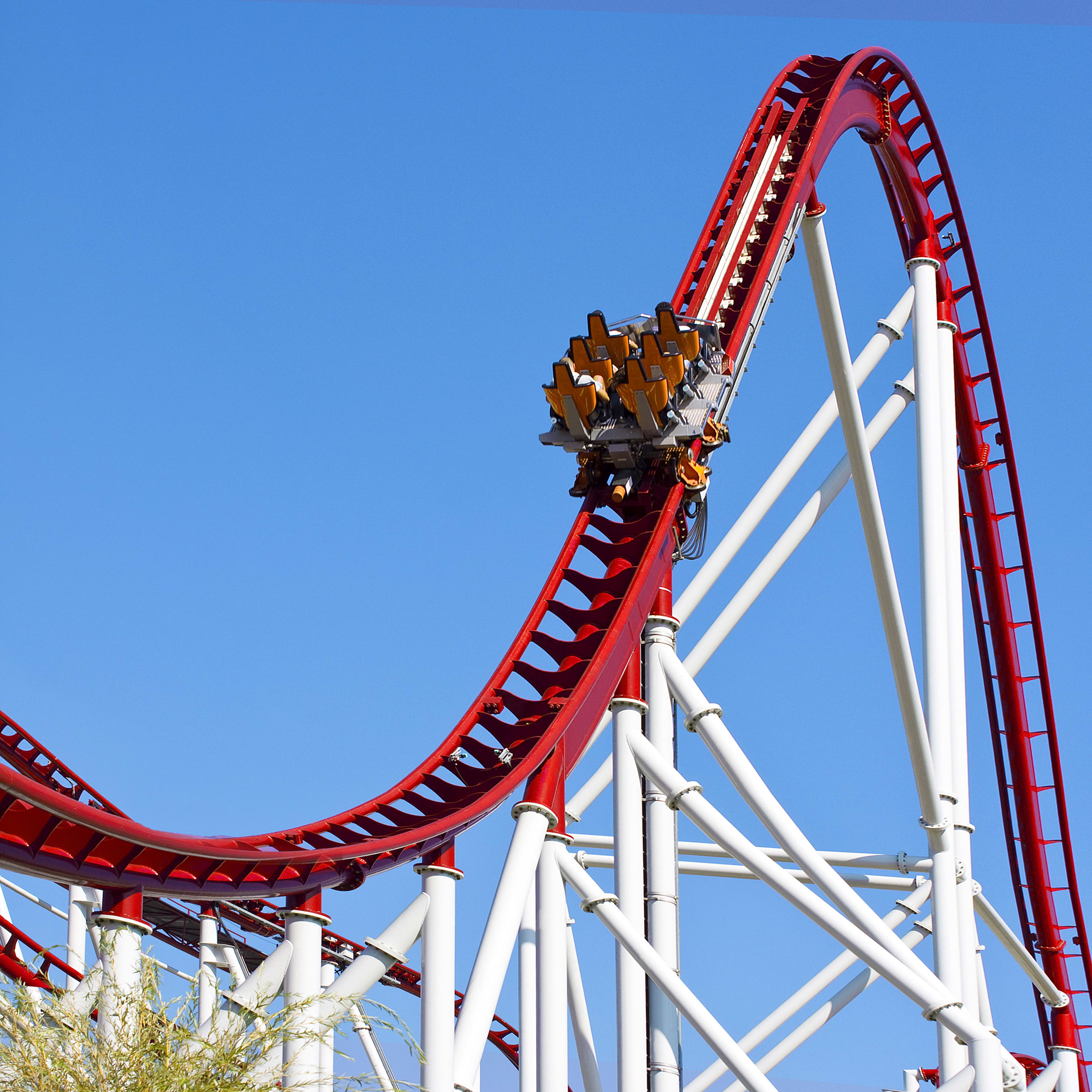
3rdWhat makes roller coasters go so fast?
Mystery Science
4thWhat will the weather be like on your birthday?
Mystery Science
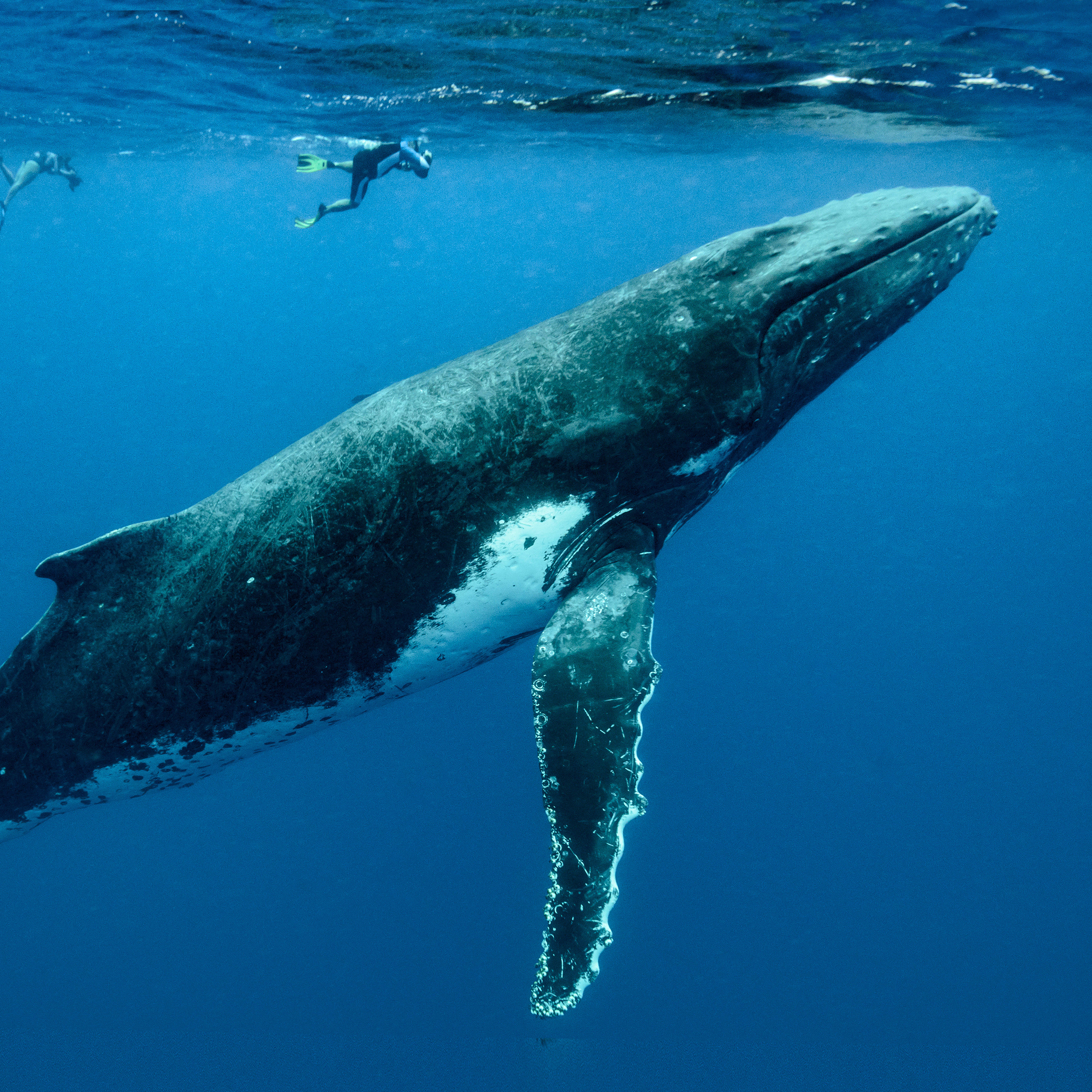
KWhere can you find whales in a desert?
Mystery Science
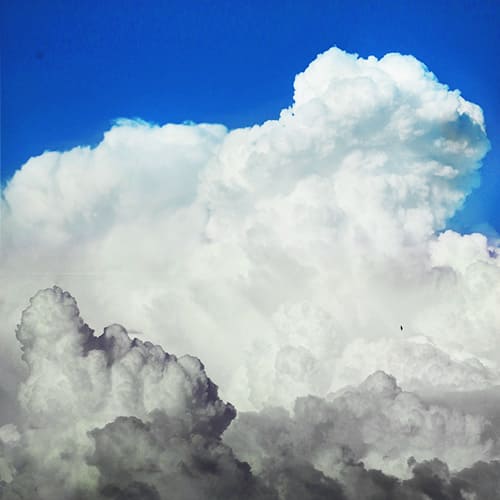
3rdWhere do clouds come from?
Mystery Science
3rdWhy can't airplanes fly to space? (Mystery Science)
Mystery Science
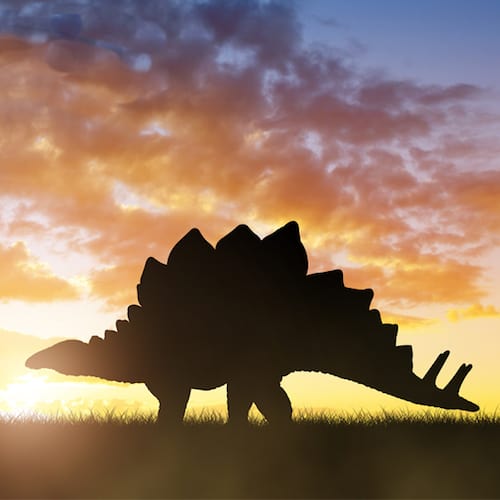
K1st2nd3rd4th5thWhy did the dinosaurs go extinct?
Mystery Science
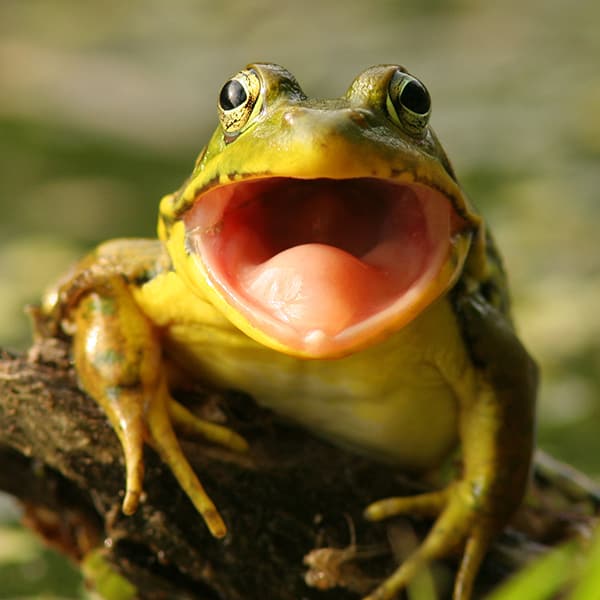
5thWhy do frogs say "ribbit"?
Mystery Science
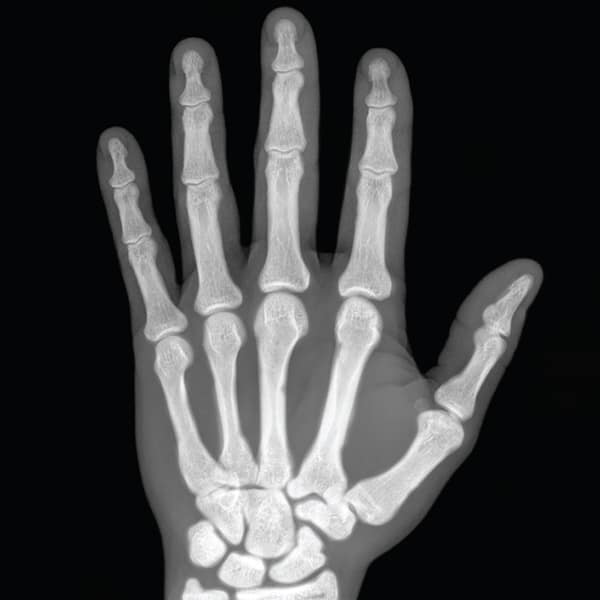
2ndWhy do our skeletons have so many bones? (Mystery Science)
Mystery Science
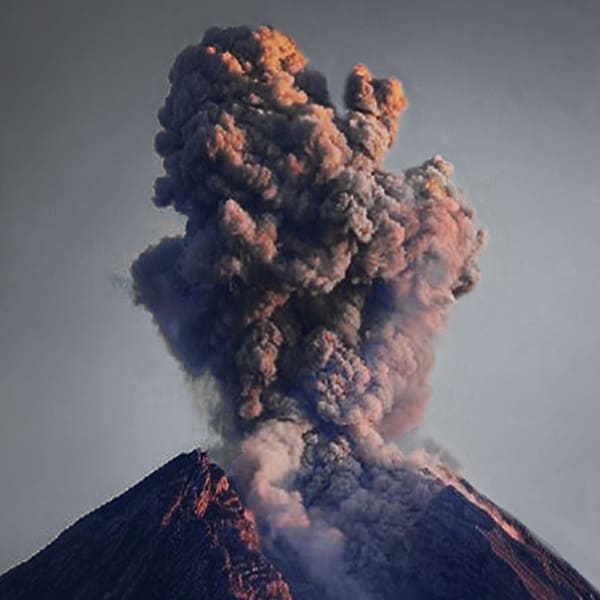
K1st2nd3rd4th5thWhy do some volcanoes explode?
Mystery Science
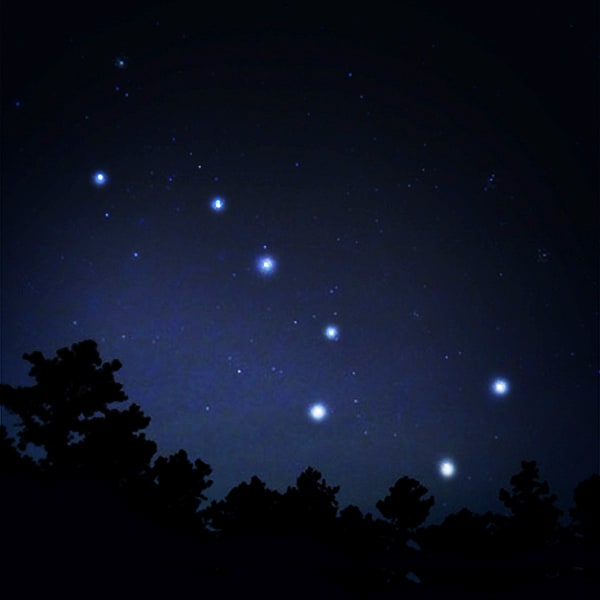
4thWhy do the stars come out at night?
Mystery Science
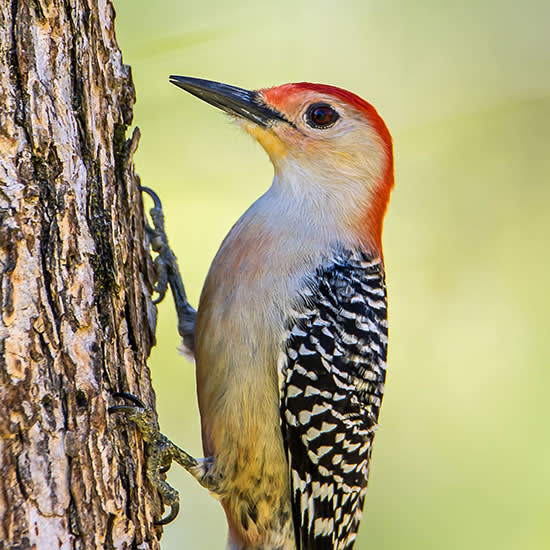
1stWhy do woodpeckers peck wood?
Mystery Science
KWhy do your biceps bulge?
Mystery Science
4th