Series
Moving with Miss Tami
15 episodes
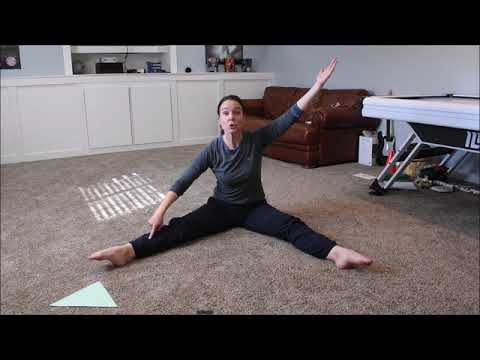
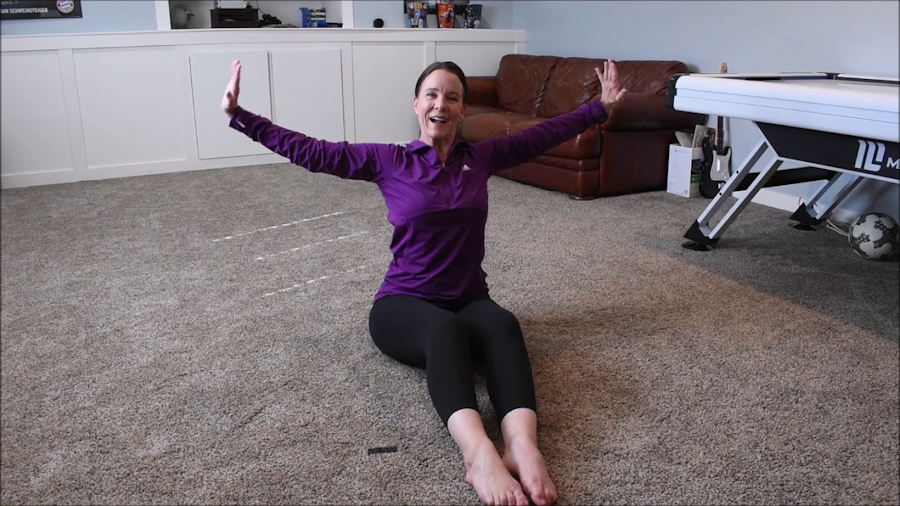
Moving with Miss Tami is a set of gentle creative-movement and dance classes filmed for young children to follow along with at home or in class. In each session, dance teacher Miss Tami leads a warm-up and then explores one building block of dance: moving fast and slow, smooth and sharp, heavy and light, along pathways and in different directions, or showing feelings and ideas with the body. She names each idea in plain words and demonstrates it so a class can copy her. Best suited to preschool through first grade, these calm, vetted, screen-leads-the-room classes turn dance vocabulary into something children do rather than only hear about.
What Moving with Miss Tami covers
15 episodes in the library, tagged for Pre-K–1st. Heaviest coverage: Dance. Between them they line up with 16 distinct standards across 1 framework.
Episodes per grade
- Pre-K
- 15
- K
- 15
- 1st
- 15
Episodes per subject
- Dance
- 15
National Core Arts 16
- DA:Cr1.1.1bExplore a variety of locomotor and non-locomotor movements by experimenting with and changing the elements of dance.
- DA:Cr4.1.KcIdentify and apply different characteristics to movements (for example, slow, smooth, or wavy).
- DA:Cr1.1.1aExplore movement inspired by a variety of stimuli (for example, music/sound, text, objects, images, symbols, observed dance, experiences) and identify the source.
- DA:Cr1.1.KbExplore different ways to do basic locomotor and nonlocomotor movements by changing at least one of the elements of dance.
- DA:Cr4.1.KaMake still and moving body shapes that show lines (for example, straight, bent, and curved), changes levels, and vary in size (large/small). Join with others to make a circle formation and work with others to change its dimensions.
- DA:Pr4.1.1aDemonstrate locomotor and non-locomotor movements that change body shapes, levels, and facings. Move in straight, curved, and zigzagged pathways. Find and return to place in space. Move with others to form straight lines and circles.
+ 10 more
- DA:Pr4.1.1cDemonstrate movement characteristics along with movement vocabulary (for example, use adverbs and adjectives that apply to movement such as a bouncy leap, a floppy fall, a jolly jump, and joyful spin).
- DA:Cr2.1.1bChoose movements that express an idea or emotion, or follow a musical phrase.
- DA:Cr2.1.KbExpress an idea, feeling, or image, through improvised movement moving alone or with a partner.
- DA:Cr4.1.KbDemonstrate tempo contrasts with movements that match to tempo of sound stimuli.
- DA:Pr5.1.KcMove body parts in relation to other body parts and repeat and recall movements upon request.
- DA:Cr1.1.KaRespond in movement to a variety of stimuli (for example, music/sound, text, objects, images, symbols, observed dance).
- DA:Pr4.1.1bRelate quick, moderate and slow movements to duration in time. Recognize steady beat and move to varying tempi of steady beat.
- DA:Pr5.1.1bMove safely in general space through a range of activities and group formations while maintaining personal space.
- DA:Pr5.1.KaDemonstrate same-side and cross-body locomotor and non-locomotor movements, body patterning movements, and body shapes.
- DA:Pr5.1.KbMove safely in general space and start and stop on cue during activities, group formations, and creative explorations while maintaining personal space.
Every episode is vetted and tagged before it goes in. Pick your state in the filters above to see your own state’s codes alongside these.
15 results
Moving with Miss Tami: Fast and Slow
Moving with Miss Tami · 2020
24 minPre-KK1st
Moving with Miss Tami: Patterns and Sounds
Moving with Miss Tami · 2020
26 minPre-KK1stMoving with Miss Tami: Pathways
Moving with Miss Tami · 2020
33 minPre-KK1stMoving with Miss Tami: Smooth and Sharp
Moving with Miss Tami · 2020
26 minPre-KK1stMoving with Miss Tami: Self Space and General Space
Moving with Miss Tami · 2020
24 minPre-KK1stMoving with Miss Tami: Dancing Your Feelings
Moving with Miss Tami · 2020
24 minPre-KK1stMoving with Miss Tami: Directions of Travel
Moving with Miss Tami · 2020
28 minPre-KK1stMoving with Miss Tami: Ocean Adventures
Moving with Miss Tami · 2020
29 minPre-KK1stMoving with Miss Tami: Sculpting Shapes into Movement
Moving with Miss Tami · 2020
25 minPre-KK1stMoving with Miss Tami: Tulips and Watercolors
Moving with Miss Tami · 2020
32 minPre-KK1stMoving with Miss Tami: The Water Cycle
Moving with Miss Tami · 2020
34 minPre-KK1stMoving with Miss Tami: Heavy and Light
Moving with Miss Tami · 2020
26 minPre-KK1stMoving with Miss Tami: Big, Bigger, Biggest
Moving with Miss Tami · 2020
31 minPre-KK1stMoving with Miss Tami: Winter Dance
Moving with Miss Tami · 2020
20 minPre-KK1stMoving with Miss Tami: A Dancer's Instrument
Moving with Miss Tami · 2020
28 minPre-KK1st