
Series
Learn Bright
26 episodes
Short animated explainers, most between four and eleven minutes, each taking one curriculum topic straight on. Science carries the bulk of it: habitats and biomes, food chains, animal adaptations, photosynthesis, plant parts, states of matter, light, magnetism, moon phases, plus a "Dinos A to Z" run of quick fact-files on individual prehistoric animals. Beside those sit grammar basics, map-reading skills, the seven continents, and needs versus wants. Plain narration, clear graphics, no story frame and no host. Reach for one when you want a tight introduction or a review pass before an assessment.
What Learn Bright covers
26 episodes in the library, tagged for K–6th. Heaviest coverage: Science, Social Studies and Reading & Writing (ELA). Between them they line up with 31 distinct standards across 4 frameworks.
Episodes per grade
- K
- 4
- 1st
- 10
- 2nd
- 19
- 3rd
- 22
- 4th
- 20
- 5th
- 12
- 6th
- 3
Episodes per subject
- Science
- 19
- Social Studies
- 5
- Reading & Writing (ELA)
- 3
NGSS (Science) 21
- 3-LS4-1Analyze and interpret data from fossils to provide evidence of the organisms and the environments in which they lived long ago.
- 3-LS4-3Construct an argument with evidence that in a particular habitat some organisms can survive well, some survive less well, and some cannot survive at all.
- 4-LS1-1Construct an argument that plants and animals have internal and external structures that function to support survival, growth, behavior, and reproduction.
- 5-LS2-1Develop a model to describe the movement of matter among plants, animals, decomposers, and the environment.
- 1-ESS1-1Use observations of the sun, moon, and stars to describe patterns that can be predicted.
- 1-LS1-1Use materials to design a solution to a human problem by mimicking how plants and/or animals use their external parts to help them survive, grow, and meet their needs.
+ 15 more
- 1-PS4-1Plan and conduct investigations to provide evidence that vibrating materials can make sound and that sound can make materials vibrate.
- 1-PS4-2Make observations to construct an evidence-based account that objects can be seen only when illuminated.
- 2-ESS2-2Develop a model to represent the shapes and kinds of land and bodies of water in an area.
- 2-PS1-1Plan and conduct an investigation to describe and classify different kinds of materials by their observable properties.
- 3-LS1-1Develop models to describe that organisms have unique and diverse life cycles but all have in common birth, growth, reproduction, and death.
- 3-LS4-4Make a claim about the merit of a solution to a problem caused when the environment changes and the types of plants and animals that live there may change.
- 3-PS2-3Ask questions to determine cause-and-effect relationships of electric or magnetic interactions between two objects not in contact with each other.
- 4-PS4-1Develop a model of waves to describe patterns in terms of amplitude and wavelength and that waves can cause objects to move.
- 4-PS4-2Develop a model to describe that light reflecting from objects and entering the eye allows objects to be seen.
- 5-ESS2-1Develop a model using an example to describe ways the geosphere, biosphere, hydrosphere, and/or atmosphere interact.
- 5-LS1-1Support an argument that plants get the materials they need for growth chiefly from air and water.
- 5-PS1-1Develop a model to describe that matter is made of particles too small to be seen.
- 5-PS3-1Use models to describe that energy in animals' food was once energy from the sun.
- K-ESS2-1Use and share observations of local weather conditions to describe patterns over time.
- K-ESS3-2Ask questions to obtain information about the purpose of weather forecasting to prepare for, and respond to, severe weather.
Common Core — ELA 3
- L.1.1Demonstrate command of the conventions of standard English grammar and usage when writing or speaking.
- L.2.1Demonstrate command of the conventions of standard English grammar and usage when writing or speaking.
- L.K.1Demonstrate command of the conventions of standard English grammar and usage when writing or speaking.
Social Studies (C3 / NCSS) 6
- D2.Geo.1.3-5Construct maps and other graphic representations of both familiar and unfamiliar places.
- D2.Geo.1.K-2Construct maps, graphs, and other representations of familiar places.
- D2.Geo.2.K-2Use maps, graphs, photographs, and other representations to describe places and the relationships and interactions that shape them.
- D2.Civ.1.3-5Distinguish the responsibilities and powers of government officials at various levels and branches of government and in different times and places.
- D2.Eco.1.K-2Explain how scarcity necessitates decision making.
- D2.Eco.2.K-2Identify the benefits and costs of making various personal decisions.
ITEEA STEL (Technology & Engineering) 1
- STEL-5AExplain the needs and wants of individuals and societies.
Every episode is vetted and tagged before it goes in. Pick your state in the filters above to see your own state’s codes alongside these.
24 of 26 results
Adjectives for Kids
Learn Bright
5 min1st2nd3rd
Animal Adaptations for Kids
Learn Bright
9 min3rd4th5thBiomes and Ecosystems for Kids
Learn Bright
11 min4th5th6thDinos A to Z: Kentrosaurus
Learn Bright · 2026
4 min2nd3rd4th5thDinos A to Z: Leptoceratops
Learn Bright · 2026
4 min2nd3rd4th5thDinos A to Z: Mosasaur
Learn Bright · 2026
4 min2nd3rd4th5thDinos A to Z: Nedoceratops
Learn Bright · 2026
4 min2nd3rd4th5thThe Food Chain for Kids (Learn Bright)
Learn Bright
6 min3rd4th5thHabitats for Kids
Learn Bright
10 min2nd3rd4thLife Cycle of a Butterfly (Learn Bright)
Learn Bright
9 min2nd3rd4thLight for Kids
Learn Bright
8 min1st2nd3rd4thMagnetism and Magnetic Fields
Learn Bright
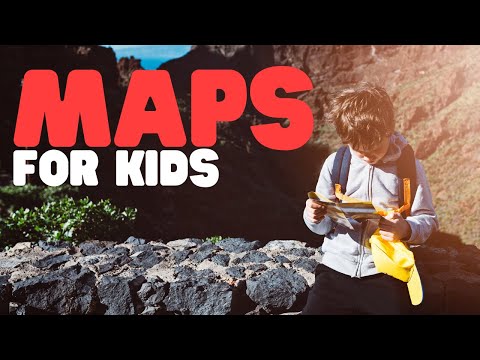
5 min3rd4th5thMaps for Kids
Learn Bright
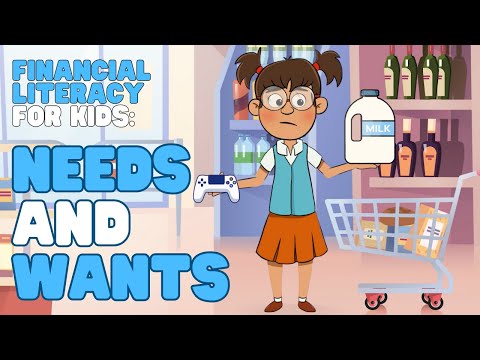
10 min1st2nd3rd4thNeeds and Wants
Learn Bright
5 minK1st2nd3rdNouns for Kids
Learn Bright
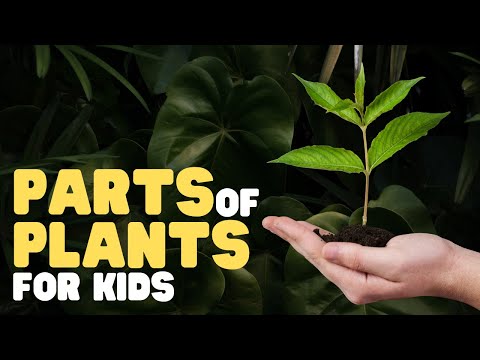
9 minK1st2ndParts of Plants for Kids
Learn Bright
8 min1st2nd3rd4thPhases of the Moon (Learn Bright)
Learn Bright
5 min2nd3rd4thPhotosynthesis for Kids
Learn Bright
6 min4th5th6thThe Seven Continents (Learn Bright)
Learn Bright
7 minK1st2nd3rdStates of Matter (Learn Bright)
Learn Bright
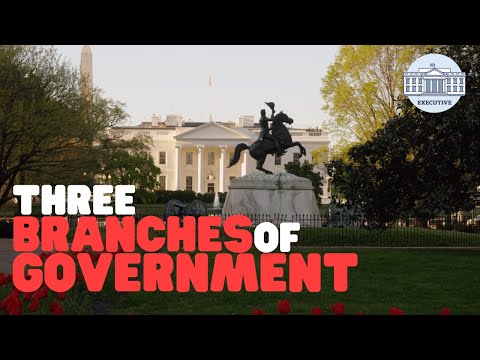
6 min2nd3rd4th5thThree Branches of Government
Learn Bright
8 min3rd4th5th6thTypes of Landforms
Learn Bright
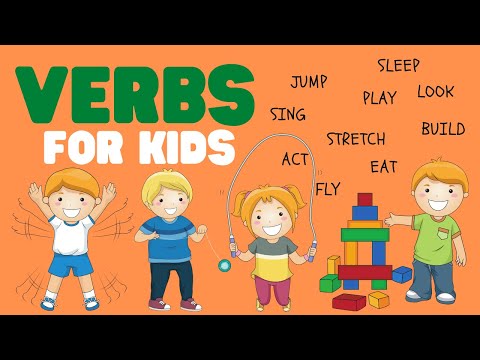
12 min2nd3rd4thVerbs for Kids
Learn Bright
11 min1st2nd3rdThe Water Cycle (Learn Bright)
Learn Bright
4 min3rd4th5th










Or use the filters above to narrow this down.