
Series
KidLit TV Read Out Loud
38 episodes
KidLit TV Read Out Loud brings full picture books to life on screen, with authors, illustrators, and guest readers reading each story aloud from cover to cover. This collection gathers 38 titles a K to 4 teacher can use for read-aloud time, comprehension practice, or a quiet close to the day. Stories build skills in character, theme, point of view, rhyme, and reading pictures, and many reach into other subjects: biographies of Harriet Tubman and the Williams sisters, a counting book, weather and moon-phase science, and gentle stories about feelings, grief, and kindness. Every book streams free on the official KidLit TV channel with a direct link to each one.
What KidLit TV Read Out Loud covers
38 episodes in the library, tagged for Pre-K–5th. Heaviest coverage: Reading & Writing (ELA), Social-Emotional Learning and Social Studies. Between them they line up with 43 distinct standards across 5 frameworks.
Episodes per grade
- Pre-K
- 14
- K
- 28
- 1st
- 34
- 2nd
- 32
- 3rd
- 18
- 4th
- 10
- 5th
- 3
Episodes per subject
- Reading & Writing (ELA)
- 37
- Social-Emotional Learning
- 16
- Social Studies
- 5
- For Fun
- 3
- Science
- 3
- Brain Breaks
- 1
- Math
- 1
NGSS (Science) 4
- 1-ESS1-1Use observations of the sun, moon, and stars to describe patterns that can be predicted.
- 3-ESS3-1Make a claim about the merit of a design solution that reduces the impacts of a weather-related hazard.
- 3-LS1-1Develop models to describe that organisms have unique and diverse life cycles but all have in common birth, growth, reproduction, and death.
- K-ESS3-2Ask questions to obtain information about the purpose of weather forecasting to prepare for, and respond to, severe weather.
Common Core — Math 2
- K.CC.A.1Count to 100 by ones and by tens.
- K.CC.B.5Count to answer "how many?" questions about as many as 20 things arranged in a line, array, or circle, or as many as 10 things in a scattered configuration.
Common Core — ELA 24
- RL.1.3Describe characters, settings, and major events in a story, using key details.
- RL.2.2Recount stories, including fables and folktales from diverse cultures, and determine their central message, lesson, or moral.
- RF.K.2Demonstrate understanding of spoken words, syllables, and sounds (phonemes).
- RI.3.3Describe the relationship between a series of historical events, scientific ideas or concepts, or steps in technical procedures in a text.
- RL.2.3Describe how characters in a story respond to major events and challenges.
- RL.3.2Recount stories, including fables, folktales, and myths from diverse cultures; determine the central message, lesson, or moral and explain how it is conveyed through key details.
+ 18 more
- RL.K.3With prompting and support, identify characters, settings, and major events in a story.
- RF.1.2Demonstrate understanding of spoken words, syllables, and sounds (phonemes).
- RL.1.2Retell stories, including key details, and demonstrate understanding of their central message or lesson.
- RL.1.4Identify words and phrases in stories or poems that suggest feelings or appeal to the senses.
- RL.2.6Acknowledge differences in the points of view of characters, including by speaking in a different voice for each character when reading dialogue aloud.
- RL.2.9Compare and contrast two or more versions of the same story by different authors or from different cultures.
- RL.K.7With prompting and support, describe the relationship between illustrations and the story in which they appear.
- RF.K.1Demonstrate understanding of the organization and basic features of print.
- RF.K.3Know and apply grade-level phonics and word analysis skills in decoding words.
- RI.2.1Ask and answer such questions as who, what, where, when, why, and how to demonstrate understanding of key details in a text.
- RI.2.3Describe the connection between a series of historical events, scientific ideas or concepts, or steps in technical procedures in a text.
- RI.4.3Explain events, procedures, ideas, or concepts in a historical, scientific, or technical text, including what happened and why.
- RL.1.1Ask and answer questions about key details in a text.
- RL.1.7Use illustrations and details in a story to describe its characters, setting, or events.
- RL.2.7Use information gained from the illustrations and words in a print or digital text to demonstrate understanding of its characters, setting, or plot.
- RL.3.6Distinguish their own point of view from that of the narrator or those of the characters.
- RL.K.2With prompting and support, retell familiar stories, including key details.
- RL.K.9With prompting and support, compare and contrast the adventures and experiences of characters in familiar stories.
Social Studies (C3 / NCSS) 2
- D2.His.3.3-5Generate questions about individuals and groups who have shaped significant historical changes and continuities.
- D2.Geo.7.3-5Explain how cultural and environmental characteristics affect the distribution and movement of people, goods, and ideas.
CASEL (Social-Emotional) 11
- CASEL.SA.1Name your own feelings and notice how they change during the day.
- CASEL.RS.1Communicate clearly and listen actively.
- CASEL.SM.1Manage strong emotions and impulses instead of acting on them right away.
- CASEL.SM.5Use planning and organizational skills to break a task into steps and manage time and materials.
- CASEL.RDM.2Identify solutions to personal and social problems.
- CASEL.RDM.3Make a reasoned judgment after looking at the information, facts, and evidence.
+ 5 more
- CASEL.RS.4Resolve conflicts constructively — talk it out, repair, compromise.
- CASEL.SA.5Show self-confidence — believe you can do hard things and take on a challenge.
- CASEL.SM.6Show the courage to take initiative — start something, try, or speak up first.
- CASEL.SOA.2Demonstrate empathy and compassion for others.
- CASEL.SOA.4Recognize strengths in others and say what you appreciate about them.
Every episode is vetted and tagged before it goes in. Pick your state in the filters above to see your own state’s codes alongside these.
24 of 38 results
The True Story of the Three Little Pigs (Read Out Loud)
KidLit TV Read Out Loud
7 min1st2nd3rd4th
Stone Soup (Read Out Loud)
KidLit TV Read Out Loud
12 minK1st2nd3rdMiss Rumphius (Read Out Loud)
KidLit TV Read Out Loud
11 min1st2nd3rd4thGrandma's Purse (Read Out Loud)
KidLit TV Read Out Loud
3 minPre-KK1st2ndThe Little Engine That Could (Read Out Loud)
KidLit TV Read Out Loud
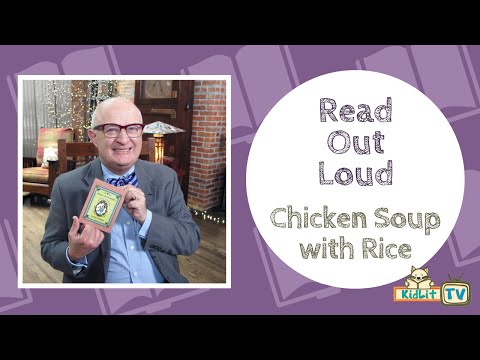
10 minPre-KK1st2ndChicken Soup with Rice (Read Out Loud)
KidLit TV Read Out Loud
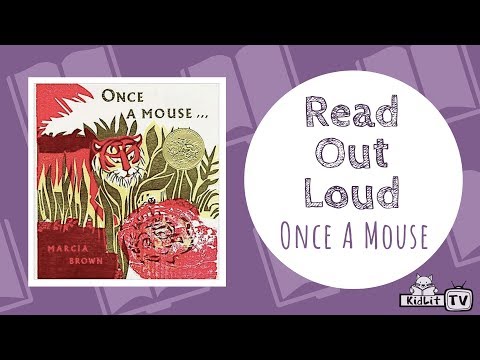
6 minPre-KK1st2ndOnce a Mouse (Read Out Loud)
KidLit TV Read Out Loud
4 min1st2nd3rd4thBear Snores On (Read Out Loud)
KidLit TV Read Out Loud
6 minPre-KK1st2ndWolfie the Bunny (Read Out Loud)
KidLit TV Read Out Loud
5 minK1st2ndPress Here (Read Out Loud)
KidLit TV Read Out Loud
4 minPre-KK1stA Big Mooncake for Little Star (Read Out Loud)
KidLit TV Read Out Loud
7 minK1st2nd3rdLittle Elliot, Big City (Read Out Loud)
KidLit TV Read Out Loud
5 minK1st2ndRead the Book, Lemmings! (Read Out Loud)
KidLit TV Read Out Loud
5 minK1st2nd3rdLouise Loves Art (Read Out Loud)
KidLit TV Read Out Loud
8 minK1st2ndNo Kimchi for Me! (Read Out Loud)
KidLit TV Read Out Loud
10 minK1st2ndWhere's Walrus? and Penguin? (Read Out Loud)
KidLit TV Read Out Loud
8 minPre-KK1stThe Nutcracker in Harlem (Read Out Loud)
KidLit TV Read Out Loud
7 min1st2nd3rd4thThis Way, Charlie (Read Out Loud)
KidLit TV Read Out Loud
11 minK1st2nd3rdMaria Had a Little Llama (Read Out Loud)
KidLit TV Read Out Loud
4 minPre-KK1stA Greyhound, a Groundhog (Read Out Loud)
KidLit TV Read Out Loud
2 minPre-KK1stR Is for Rocket (Read Out Loud)
KidLit TV Read Out Loud
5 minPre-KKI Am Peace (Read Out Loud)
KidLit TV Read Out Loud
3 minK1st2nd3rdIt's Okay to Make Mistakes (Read Out Loud)
KidLit TV Read Out Loud
2 minPre-KK1st2ndThe Goodbye Book (Read Out Loud)
KidLit TV Read Out Loud
2 minPre-KK1st2nd




Or use the filters above to narrow this down.