Series
Kennedy Center: Teaching Artists Present
61 episodes
Working artists each teach one activity, filmed for the Kennedy Center and pitched at a class rather than an audience. The range is unusually wide: Deepa Mani introducing the positions and hand gestures of Bharatanatyam, Sarah Alden and Samuel Torres on Puerto Rican Bomba and its call and answer between dancer and drummer, Afro-Peruvian rhythm and movement, alphabet improv, pantomime, a five-senses journey to outer space, shadow puppets filmed like a movie, composing music out of everyday sounds and happy accidents. Six to sixteen minutes apiece. Clear a space, press play, and the artist runs the session.
What Kennedy Center: Teaching Artists Present covers
61 episodes in the library, tagged for Pre-K–6th. Heaviest coverage: Theatre, Dance and Art. Between them they line up with 69 distinct standards across 4 frameworks.
Episodes per grade
- Pre-K
- 5
- K
- 20
- 1st
- 29
- 2nd
- 56
- 3rd
- 58
- 4th
- 52
- 5th
- 44
- 6th
- 4
Episodes per subject
- Theatre
- 20
- Dance
- 17
- Art
- 16
- Music
- 13
- Reading & Writing (ELA)
- 7
- Brain Breaks
- 5
- Social-Emotional Learning
- 2
- Media Arts
- 1
- Physical Education
- 1
Common Core — ELA 7
- W.4.10Write routinely over extended time frames (time for research, reflection, and revision) and shorter time frames (a single sitting or a day or two) for a range of discipline-specific tasks, purposes, and audiences.
- W.3.10Write routinely over extended time frames (time for research, reflection, and revision) and shorter time frames (a single sitting or a day or two) for a range of discipline-specific tasks, purposes, and audiences.
- SL.2.4Tell a story or recount an experience with appropriate facts and relevant, descriptive details, speaking audibly in coherent sentences.
- SL.3.4Report on a topic or text, tell a story, or recount an experience with appropriate facts and relevant, descriptive details.
- SL.4.4Report on a topic or text, tell a story, or recount an experience in an organized manner, using appropriate facts and relevant, descriptive details.
- W.3.3Write narratives to develop real or imagined experiences or events using descriptive details and clear event sequences.
+ 1 more
- W.4.3Write narratives to develop real or imagined experiences or events using effective technique, descriptive details, and clear event sequences.
National Core Arts 58
- DA:Cn11.1.4aSelect and describe movements in a specific genre or style and explain how the movements relate to the culture, society, historical period, or community from which the dance originated.
- DA:Pr5.1.4aDemonstrate fundamental dance skills (for example, alignment, coordination, balance, core support, kinesthetic awareness) and movement qualities when replicating and recalling patterns and sequences of locomotor and non-locomotor movements.
- DA:Pr4.1.4bAccompany other dancers using a variety of percussive instruments and sounds. Respond in movement to even and uneven rhythms. Recognize and respond to tempo changes as they occur in dance and music.
- MU:Pr4.2.3bWhen analyzing selected music, read and perform rhythmic patterns and melodic phrases using iconic and standard notation.
- TH:Cr1.1.3bImagine and articulate ideas for costumes, props and sets for the environment and characters in a drama/theatre work.
- VA:Cr2.1.3Create personally satisfying artwork using a variety of artistic processes and materials.
+ 52 more
- MU:Cr1.1.3aImprovise rhythmic and melodic ideas, and describe connection to specific purpose and context.
- MU:Cr1.1.4aImprovise rhythmic, melodic, and harmonic ideas, and explain connection to specific purpose and context (such as social and cultural).
- VA:Cr1.2.3Apply knowledge of available resources, tools, and technologies to investigate personal ideas through the art-making process.
- VA:Cr2.1.2Experiment with various materials and tools to explore personal interests in a work of art or design.
- VA:Cr2.1.4Explore and invent art-making techniques and approaches.
- VA:Re7.2.3Determine messages communicated by an image.
- DA:Cn11.1.3aFind a relationship between movement in a dance from a culture, society, or community and the culture from which the dance is derived. Explain what the movements communicate about key aspects of the culture, society, or community.
- DA:Cr1.1.3aExperiment with a variety of self-identified stimuli (for example, music/sound, text, objects, images, notation, observed dance, experiences) for movement.
- DA:Pr4.1.3cChange use of energy and dynamics by modifying movements and applying specific characteristics to heighten the effect of their intent.
- MU:Cn11.0.3aDemonstrate understanding of relationships between music and the other arts, other disciplines, varied contexts, and daily life.
- MU:Cr2.1.3bUse standard and/or iconic notation and/or recording technology to document personal rhythmic and melodic musical ideas.
- MU:Pr4.3.3aDemonstrate and describe how intent is conveyed through expressive qualities (such as dynamics and tempo).
- TH:Cr1.1.2aPropose potential new details to plot and story in a guided drama experience (e.g., process drama, story drama, creative drama).
- TH:Cr1.1.3aCreate roles, imagined worlds, and improvised stories in a drama/theatre work.
- TH:Cr1.1.KaWith prompting and support, invent and inhabit an imaginary elsewhere in dramatic play or a guided drama experience (e.g., process drama, story drama, creative drama).
- TH:Pr4.1.1bUse body, face, gestures, and voice to communicate character traits and emotions in a guided drama experience (e.g., process drama, story drama, creative drama).
- TH:Pr4.1.2aInterpret story elements in a guided drama experience (e.g., process drama, story drama, creative drama).
- TH:Pr4.1.3bInvestigate how movement and voice are incorporated into drama/theatre work.
- TH:Pr4.1.4bMake physical choices to develop a character in a drama/theatre work.
- VA:Cr1.1.2Brainstorm collaboratively multiple approaches to an art or design problem.
- VA:Cr1.2.2Make art or design with various materials and tools to explore personal interests, questions, and curiosity.
- VA:Cr2.3.2Repurpose objects to make something new.
- DA:Cr1.1.1aExplore movement inspired by a variety of stimuli (for example, music/sound, text, objects, images, symbols, observed dance, experiences) and identify the source.
- DA:Cr1.1.2aExplore movement inspired by a variety of stimuli (for example, music/sound, text, objects, images, symbols, observed dance, experiences) and suggest additional sources for movement ideas.
- DA:Cr1.1.KaRespond in movement to a variety of stimuli (for example, music/sound, text, objects, images, symbols, observed dance).
- DA:Pr5.1.2aDemonstrate a range of locomotor and non-locomotor movements, body patterning, and dance sequences that require moving through space using a variety of pathways.
- DA:Pr5.1.3aReplicate body shapes, movement characteristics, and movement patterns in a dance sequence with awareness of body alignment and core support.
- DA:Pr5.1.5aRecall and execute a series of dance phrases using fundamental dance skills (for example, alignment, coordination, balance, core support, kinesthetic awareness, clarity of movement).
- MA:Cr2.1.3Form, share, and test ideas, plans, and models to prepare for media arts productions.
- MU:Cn11.0.4aDemonstrate understanding of relationships between music and the other arts, other disciplines, varied contexts, and daily life.
- MU:Cr1.1.2aImprovise rhythmic and melodic patterns and musical ideas for a specific purpose.
- MU:Pr4.2.1bWhen analyzing selected music, read and perform rhythmic patterns using iconic or standard notation.
- MU:Pr4.2.2bWhen analyzing selected music, read and perform rhythmic and melodic patterns using iconic or standard notation.
- MU:Pr4.3.2aDemonstrate understanding of expressive qualities (such as dynamics and tempo) and how creators use them to convey expressive intent.
- TH:Cn10.1.3aUse personal experiences and knowledge to make connections to community and culture in a drama/theatre work.
- TH:Cn11.2.2bCollaborate on the creation of a short scene based on a non-fiction literary source in a guided drama experience (e.g., process drama, story drama, creative drama).
- TH:Cn11.2.4aInvestigate cross-cultural approaches to storytelling in drama/theatre work.
- TH:Cr1.1.1aPropose potential choices characters could make in a guided drama experience (e.g., process drama, story drama, creative drama).
- TH:Cr1.1.4aArticulate the visual details of imagined worlds, and improvised stories that support the given circumstances in a drama/theatre work.
- TH:Cr1.1.5aIdentify physical qualities that might reveal a character’s inner traits in the imagined world of a drama/theatre work.
- TH:Cr2.1.3aParticipate in methods of investigation to devise original ideas for a drama/theatre work.
- TH:Cr2.1.4aCollaborate to devise original ideas for a drama/theatre work by asking questions about characters and plots.
- TH:Pr4.1.2bAlter voice and body to expand and articulate nuances of a character in a guided drama experience (e.g., (e.g., process drama, story drama, creative drama).
- TH:Pr4.1.5aDescribe the underlying thoughts and emotions that create dialogue and action in a drama/theatre work.
- TH:Pr5.1.2aDemonstrate the relationship between and among body, voice, and mind in a guided drama experience (e.g., process drama, story drama, creative drama).
- TH:Pr5.1.3aParticipate in a variety of physical, vocal, and cognitive exercises that can be used in a group setting for drama/theatre work.
- TH:Pr5.1.3bIdentify the basic technical elements that can be used in drama/theatre work.
- TH:Pr6.1.4aShare small-group drama/theatre work, with peers as audience.
- VA:Cn10.1.4Create works of art that reflect community cultural traditions.
- VA:Cr1.1.4Brainstorm multiple approaches to a creative art or design problem.
- VA:Re7.1.3Speculate about processes an artist uses to create a work of art.
- VA:Re8.1.3Interpret art by analyzing use of media to create subject matter, characteristics of form, and mood.
CASEL (Social-Emotional) 2
- CASEL.SA.1Name your own feelings and notice how they change during the day.
- CASEL.SM.1Manage strong emotions and impulses instead of acting on them right away.
SHAPE America (PE) 2
- 1.2.15Demonstrates locomotor, non-locomotor, and manipulative movements based on a variety of dance forms.
- 1.5.5Combines locomotor, non- locomotor, and manipulative movements based on a variety of dance forms.
Every episode is vetted and tagged before it goes in. Pick your state in the filters above to see your own state’s codes alongside these.
24 of 61 results
A Space Senses Journey with Psacoya Guinn
Kennedy Center: Teaching Artists Present · 2020
8 minK1st2nd3rd
Yoga on the Farm with Ashley Laverty
Kennedy Center: Teaching Artists Present · 2020
11 minPre-KK1st2ndInteractive Storytime: Allie Tells Stories with Allison Lerman-Gluck
Kennedy Center: Teaching Artists Present · 2020
10 minPre-KK1st2ndStoryteller's Toolbox with Sherry Norfolk
Kennedy Center: Teaching Artists Present · 2020
10 minK1st2nd3rd4th5thRock, Paper, Scissors, Anything! with Donna Washington
Kennedy Center: Teaching Artists Present · 2020
7 minK1st2nd3rd4th1-2-3 Pantomime with Jamie Hipp
Kennedy Center: Teaching Artists Present · 2020
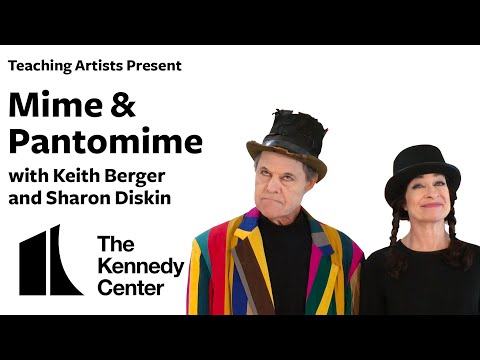
6 minK1st2nd3rd4thMime and Pantomime with Keith Berger and Sharon Diskin
Kennedy Center: Teaching Artists Present · 2020
10 min1st2nd3rd4th5thThe Art of Clowning: Transform Everyday Objects with Armando Batista
Kennedy Center: Teaching Artists Present · 2020
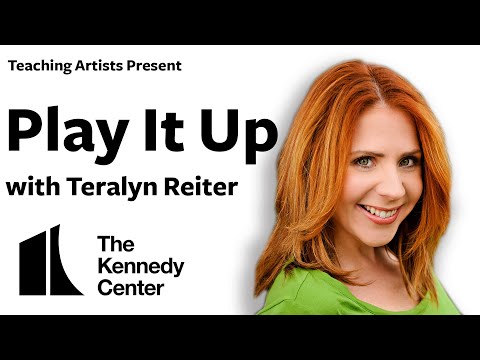
8 min1st2nd3rd4th5thPlay It Up with Teralyn Reiter
Kennedy Center: Teaching Artists Present · 2020
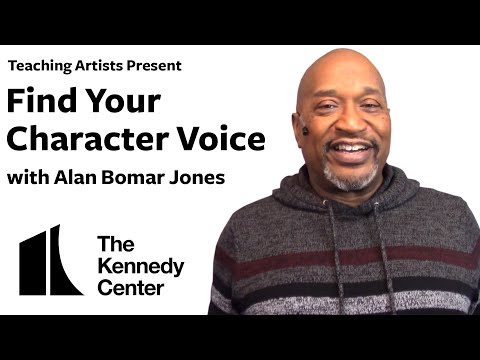
8 minK1st2nd3rd4thFind Your Character Voice with Alan Bomar Jones
Kennedy Center: Teaching Artists Present · 2020
10 min2nd3rd4th5thABC Improv with Barry Stewart Mann
Kennedy Center: Teaching Artists Present · 2020
6 min2nd3rd4th5thCreative Monologue with Khaleshia Thorpe-Price
Kennedy Center: Teaching Artists Present · 2020
5 min3rd4th5th6thHow to Perform Spoken Word with Deborah Magdalena
Kennedy Center: Teaching Artists Present · 2020
9 min3rd4th5th6thThe Story of Overcoming Fear with LeJuane Bowens
Kennedy Center: Teaching Artists Present · 2020
7 minK1st2nd3rd4thPut On Your Own Show! with Peter Michael Marino
Kennedy Center: Teaching Artists Present · 2020
6 min2nd3rd4th5thMake Your Own Puppet Family with Ayrin Gharibpour
Kennedy Center: Teaching Artists Present · 2020
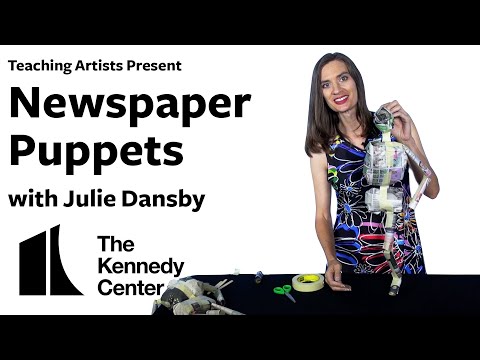
5 minK1st2nd3rd4thNewspaper Puppets with Julie Dansby
Kennedy Center: Teaching Artists Present · 2020
14 min1st2nd3rd4th5thPut Some Arms On It! with Sam Jay Gold
Kennedy Center: Teaching Artists Present · 2020
11 min1st2nd3rd4th5thExplore Teatro Lambe-Lambe with Cecilia Cackley
Kennedy Center: Teaching Artists Present · 2020
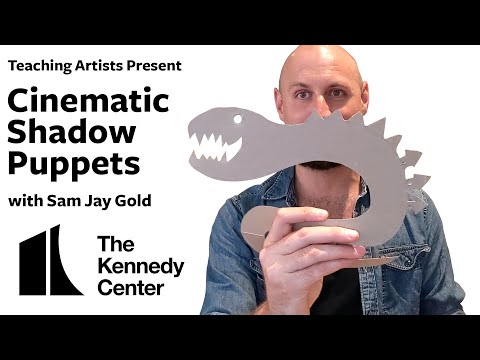
5 min2nd3rd4th5thCinematic Shadow Puppets with Sam Jay Gold
Kennedy Center: Teaching Artists Present · 2020
11 min2nd3rd4th5thDance Your Feelings with Erika Malone
Kennedy Center: Teaching Artists Present · 2020
9 minPre-KK1st2nd3rdMusic and Movement with Dr. Erica Glenn
Kennedy Center: Teaching Artists Present · 2020
8 minPre-KK1st2ndDance for Every Body with Mary Verdi-Fletcher and Sara Lawrence-Sucato
Kennedy Center: Teaching Artists Present · 2020
5 minK1st2nd3rd4th5thGrooving and Moving with Alex Gossen
Kennedy Center: Teaching Artists Present · 2020
11 min2nd3rd4th5th









Or use the filters above to narrow this down.