Series
Elinor Wonders Why
38 episodes
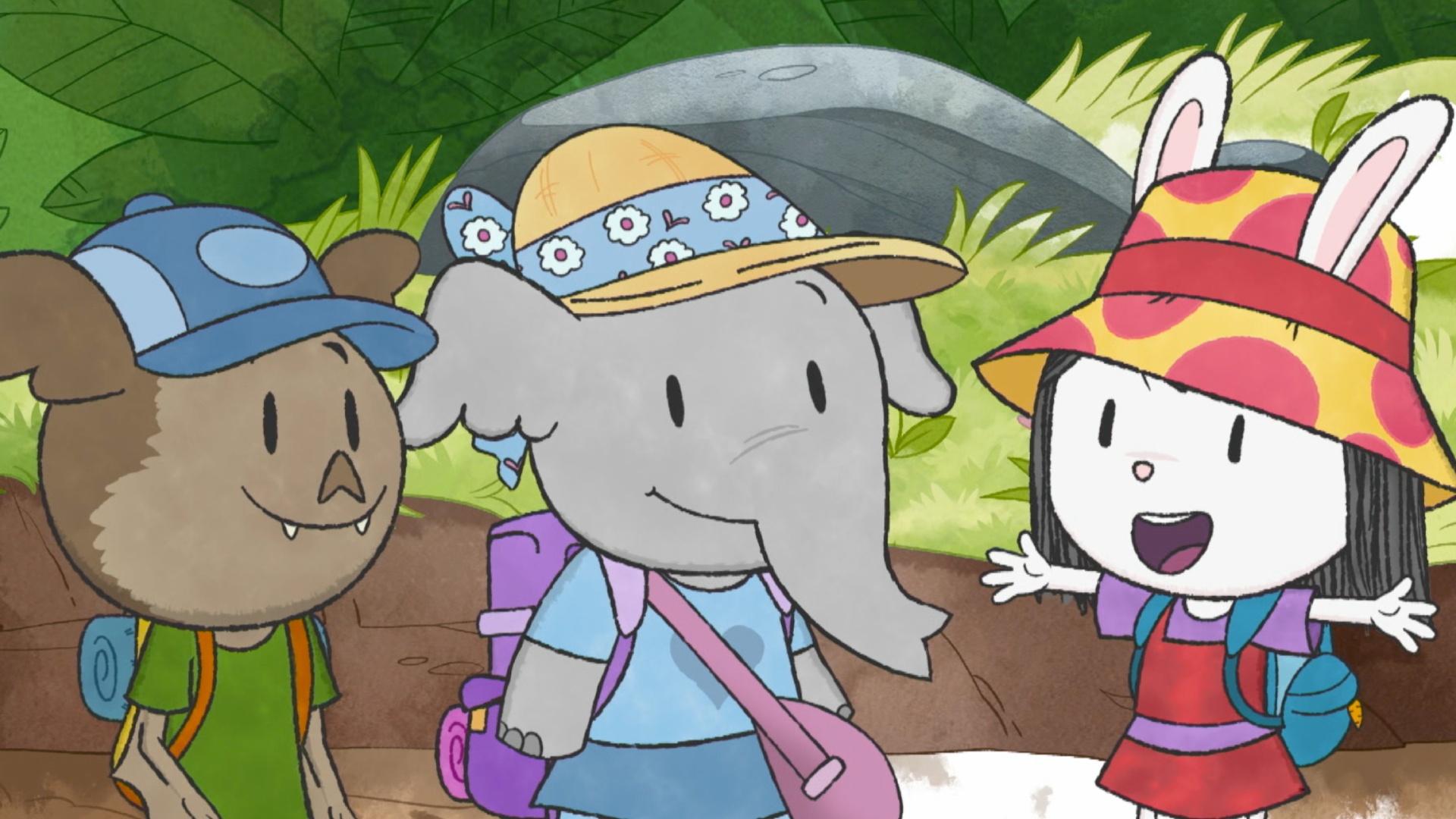
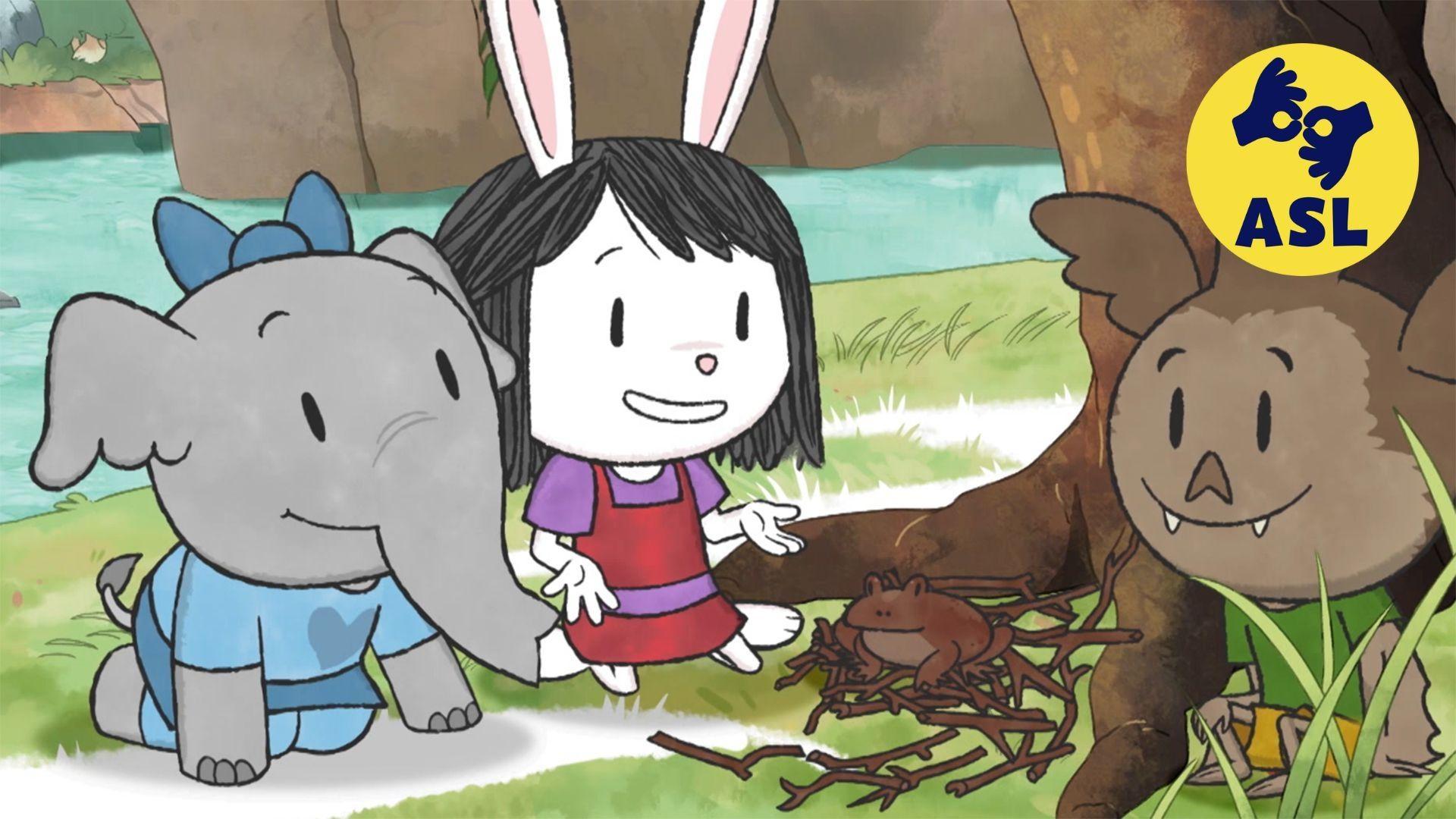
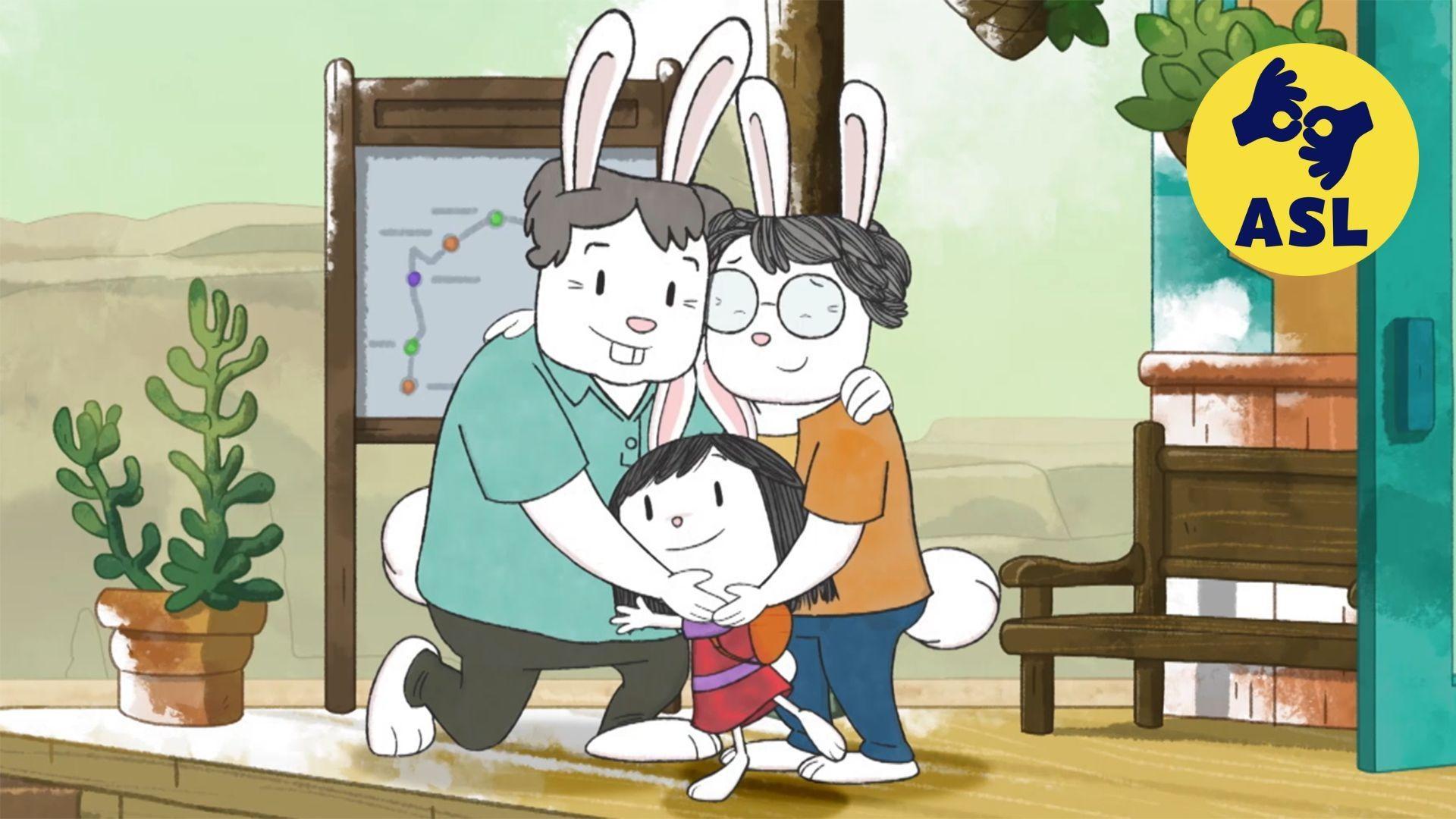
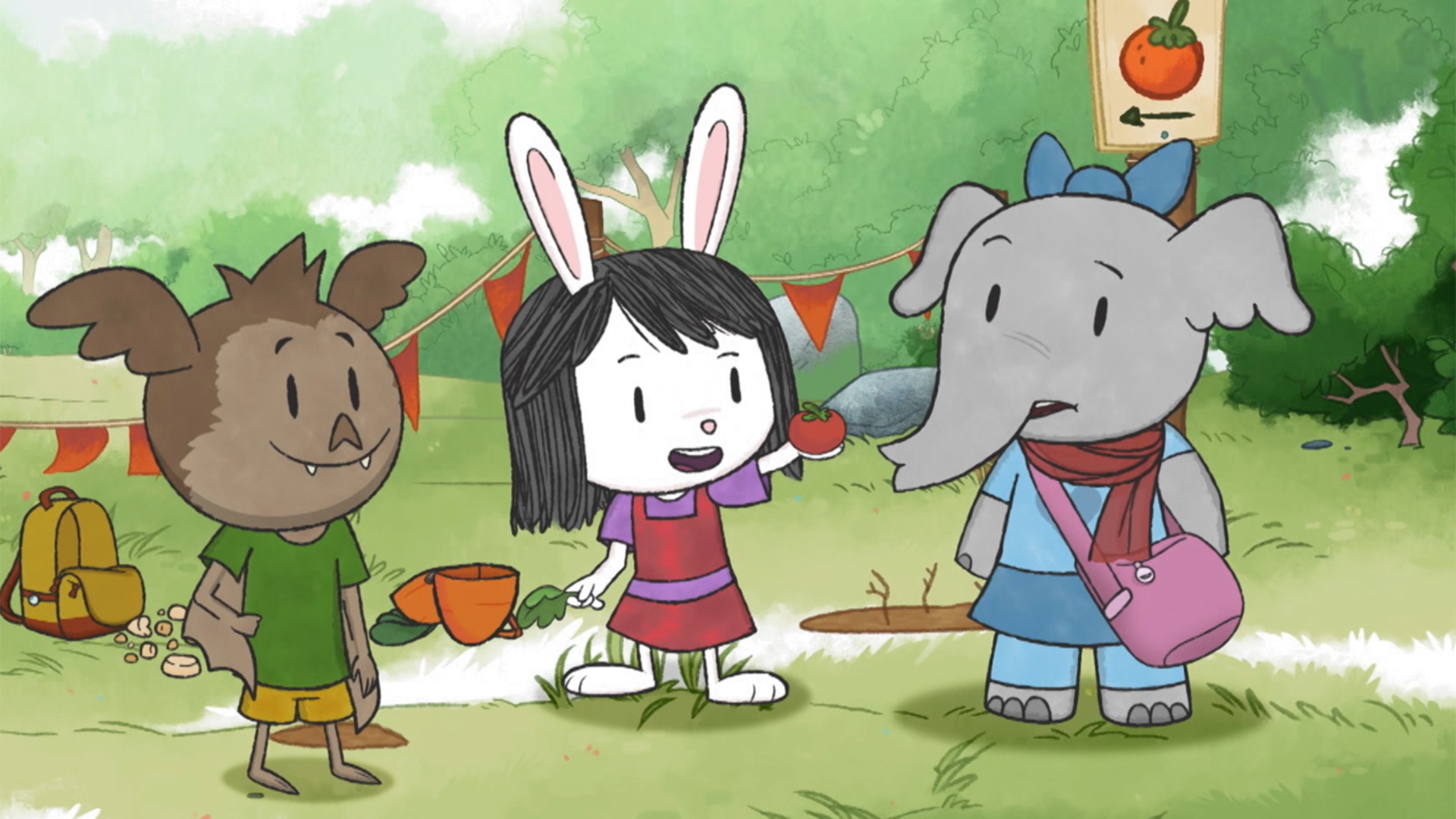
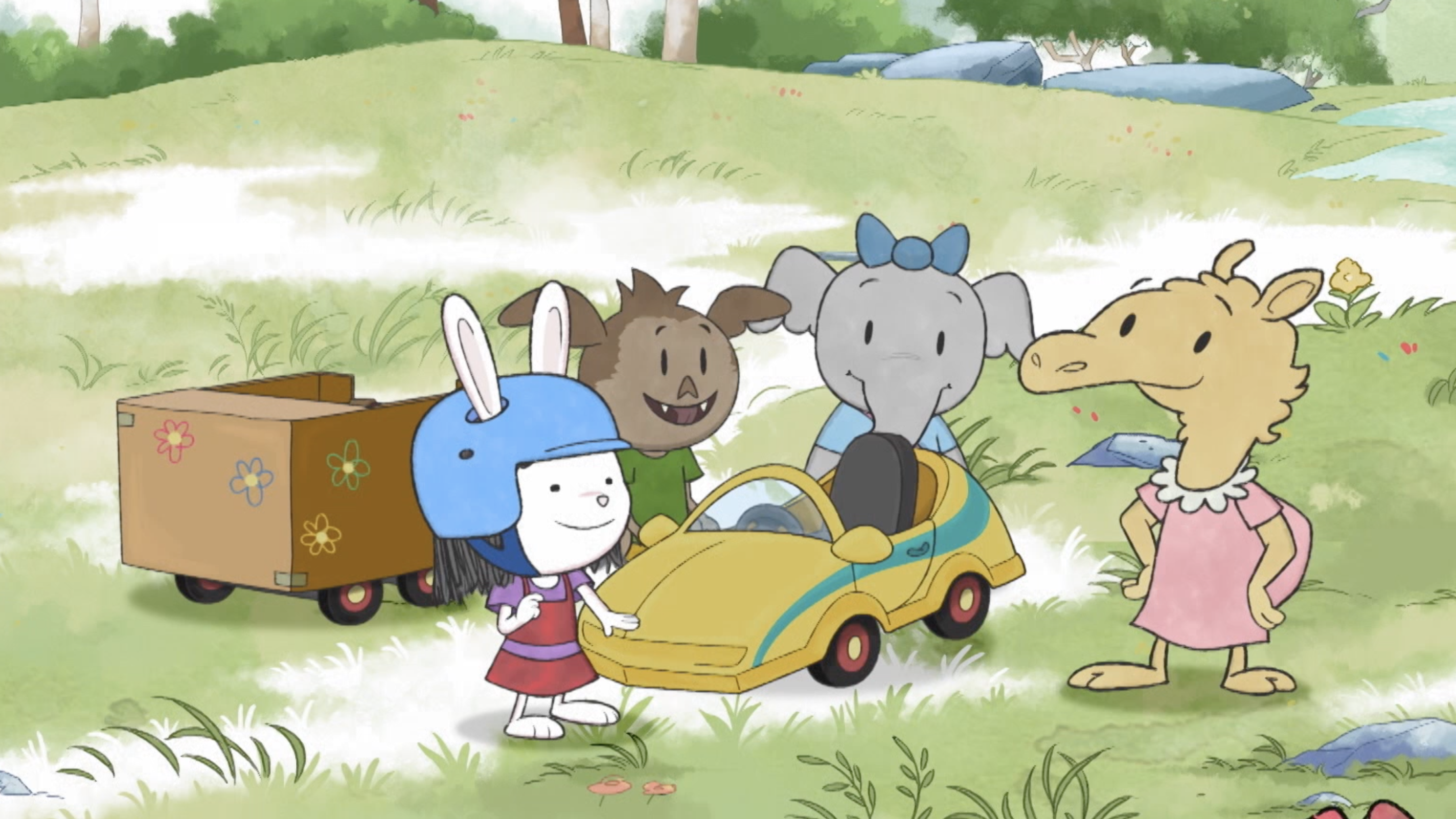
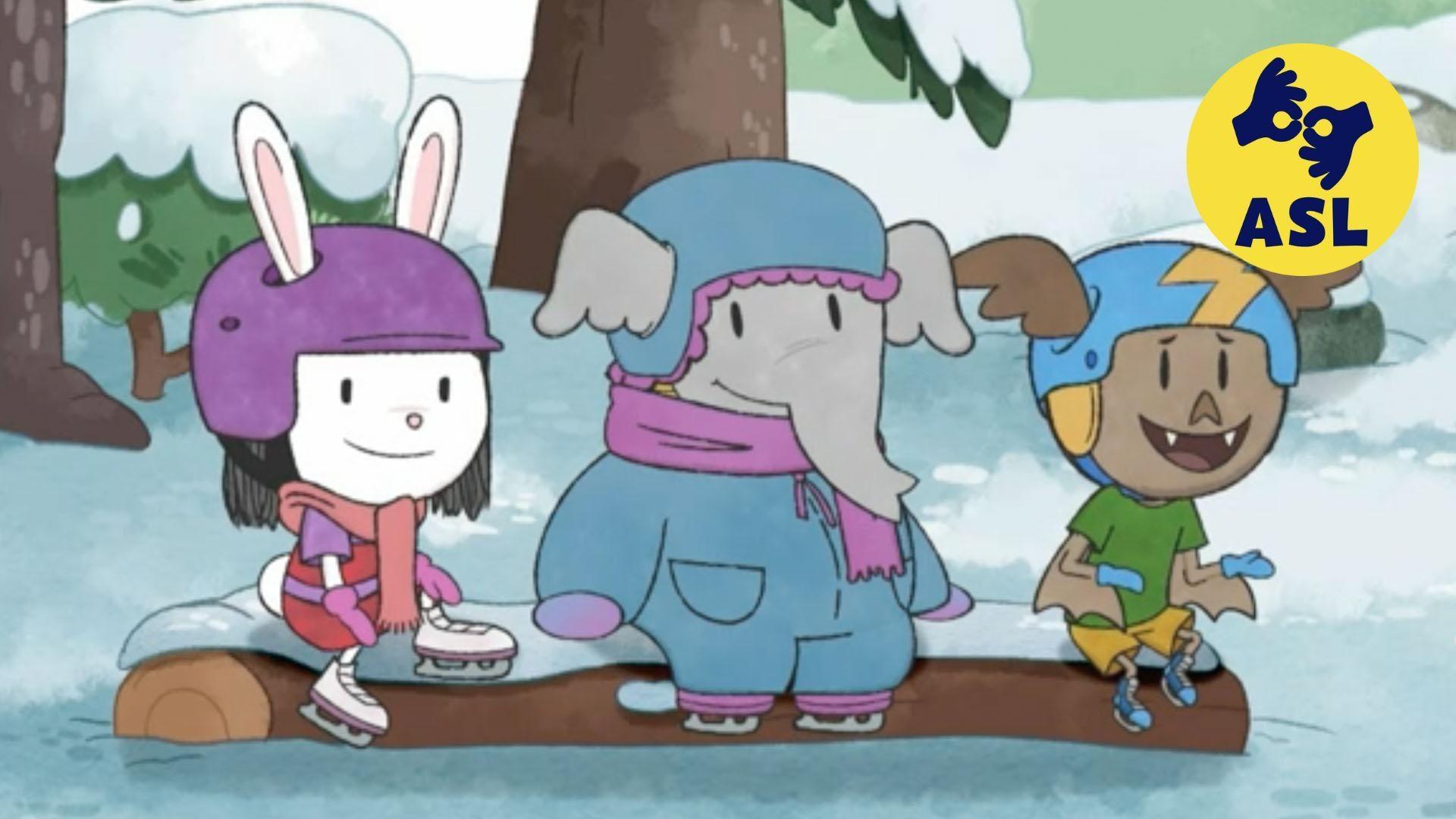
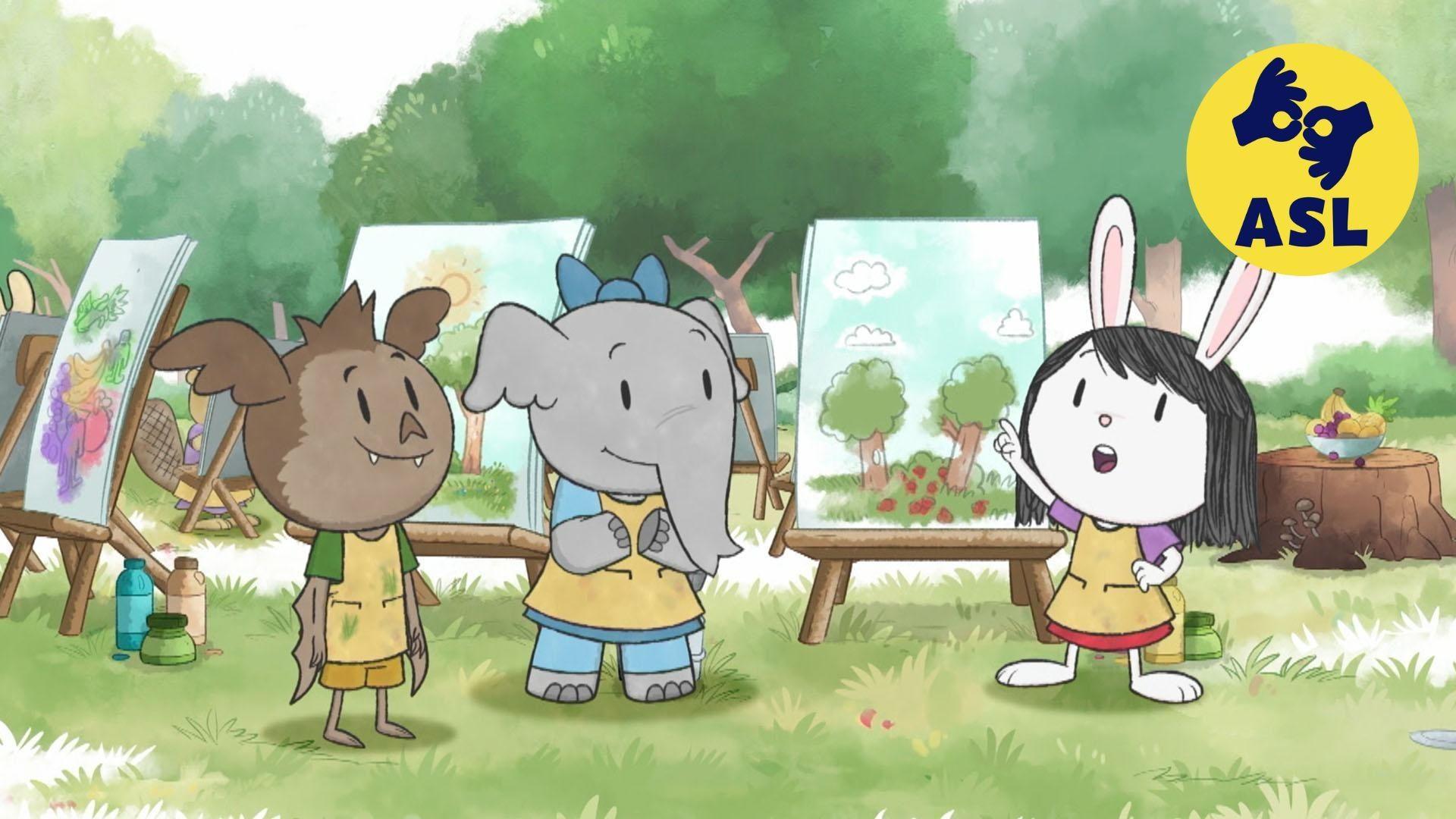
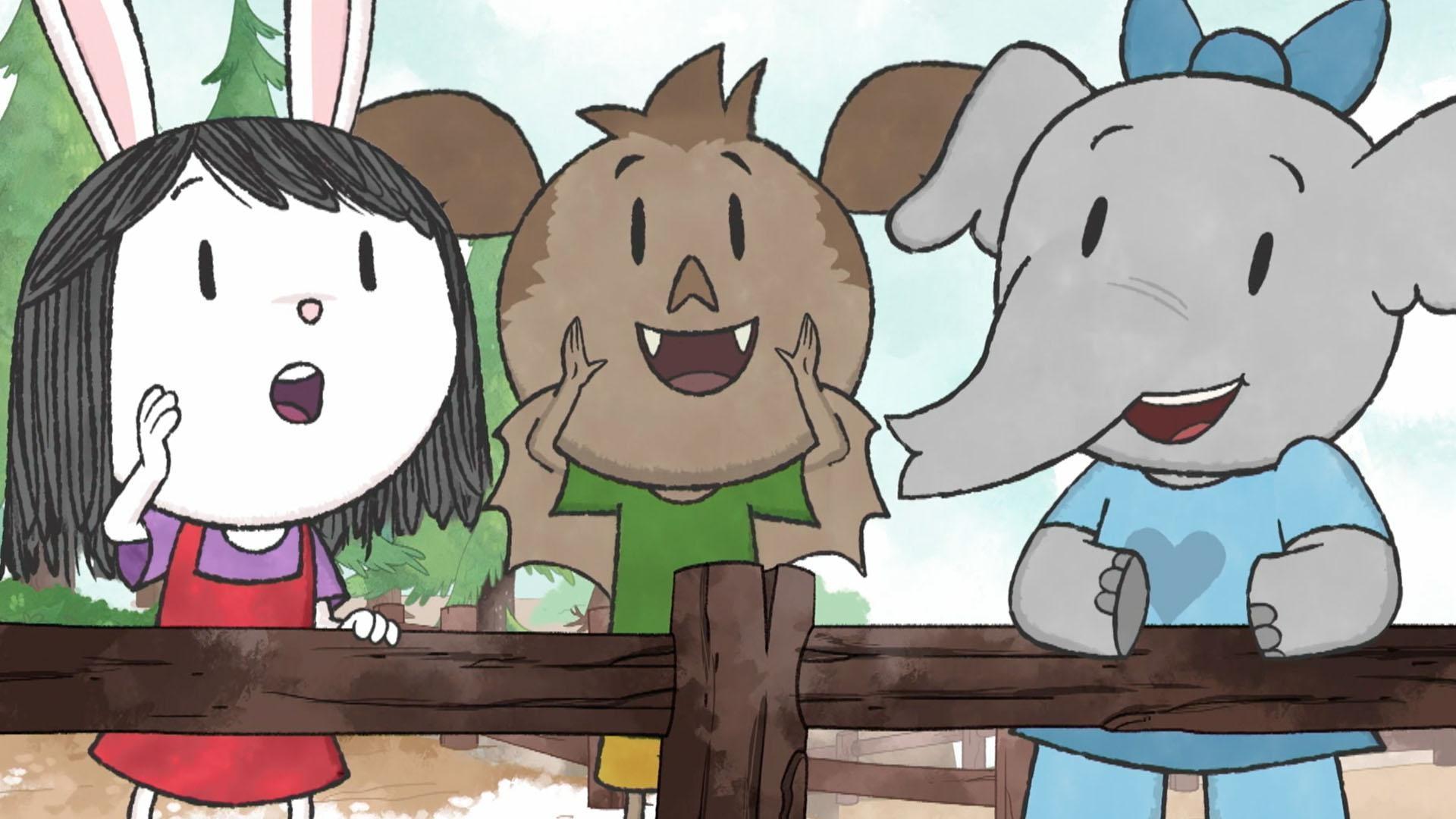
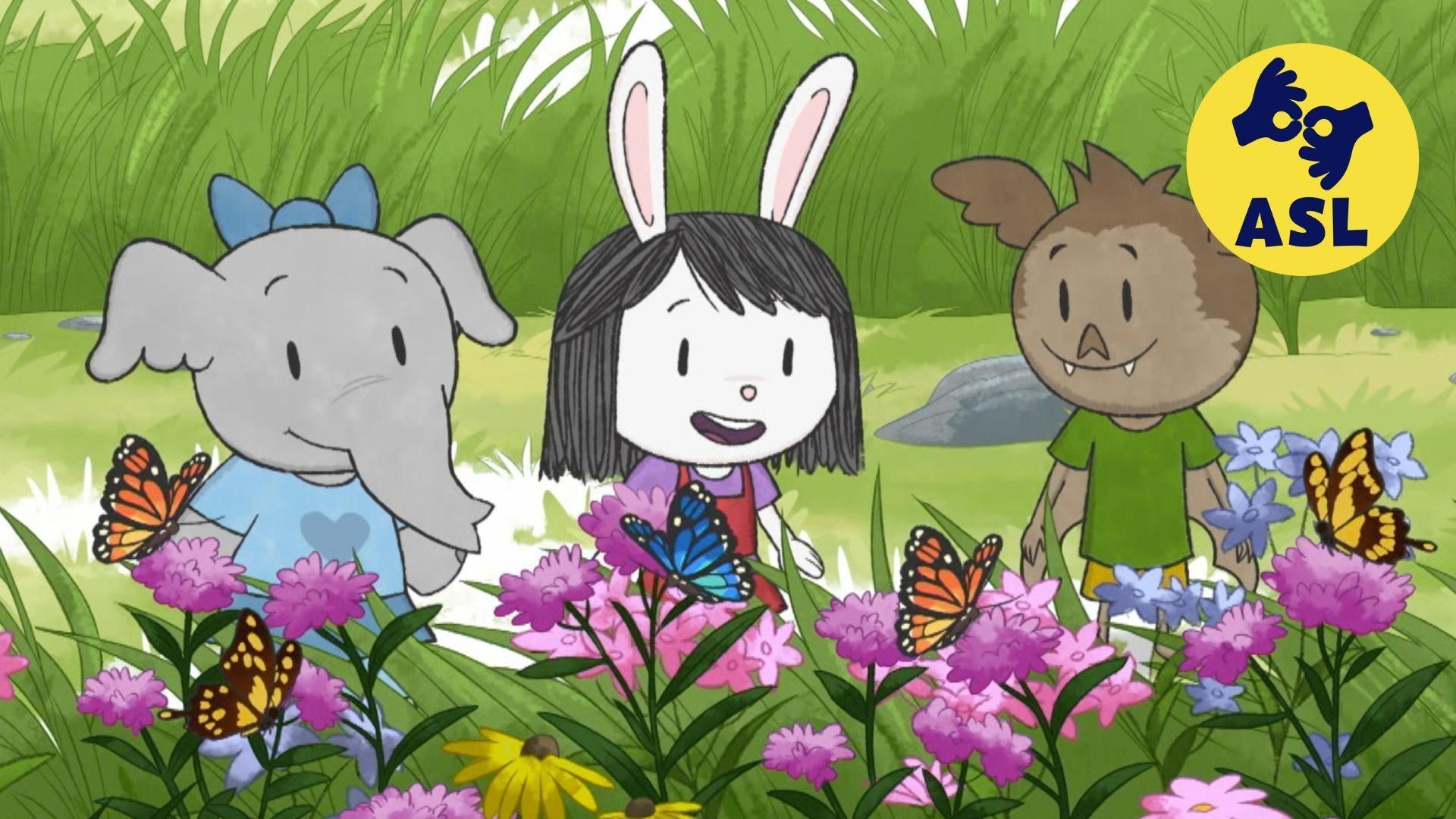
Elinor asks a lot of questions, and each 23-25 minute entry carries two eleven-minute stories built on one of them: why the pond froze on top but not underneath, where a roly poly is headed, what tears actually do, how bats find their way in the dark. Several are ASL editions with an on-screen interpreter. The set also holds a 56-minute movie about a nature-preserve trip where Elinor's constant wondering turns out to be the thing that saves the day. Strong for early science talk, and for the kids who ask before they know how to look.

What Elinor Wonders Why covers
38 episodes in the library, tagged for Pre-K–1st. Heaviest coverage: Science, Social-Emotional Learning and Health. Between them they line up with 34 distinct standards across 4 frameworks.
Episodes per grade
- Pre-K
- 38
- K
- 38
- 1st
- 38
Episodes per subject
- Science
- 38
- Social-Emotional Learning
- 7
- Health
- 3
- Art
- 2
- Music
- 1
NGSS (Science) 19
- K-LS1-1Use observations to describe patterns of what plants and animals (including humans) need to survive.
- 1-LS1-1Use materials to design a solution to a human problem by mimicking how plants and/or animals use their external parts to help them survive, grow, and meet their needs.
- 2-LS4-1Make observations of plants and animals to compare the diversity of life in different habitats.
- K-ESS2-1Use and share observations of local weather conditions to describe patterns over time.
- K-ESS3-1Use a model to represent the relationship between the needs of different plants and animals and the places they live.
- 1-PS4-1Plan and conduct investigations to provide evidence that vibrating materials can make sound and that sound can make materials vibrate.
+ 13 more
- 1-PS4-2Make observations to construct an evidence-based account that objects can be seen only when illuminated.
- K-ESS3-3Communicate solutions that will reduce the impact of humans on the land, water, air, and/or other living things in the local environment.
- K-PS2-1Plan and conduct an investigation to compare the effects of different strengths or different directions of pushes and pulls on the motion of an object.
- 1-ESS1-2Make observations at different times of year to relate the amount of daylight to the time of year.
- 1-LS1-2Read texts and use media to determine patterns in behavior of parents and offspring that help offspring survive.
- 1-LS3-1Make observations to construct an evidence-based account that young plants and animals are like, but not exactly like, their parents.
- 2-ESS2-3Obtain information to identify where water is found on Earth and that it can be solid or liquid.
- 2-LS2-2Develop a simple model that mimics the function of an animal in dispersing seeds or pollinating plants.
- 2-PS1-1Plan and conduct an investigation to describe and classify different kinds of materials by their observable properties.
- 2-PS1-4Construct an argument with evidence that some changes caused by heating or cooling can be reversed and some cannot.
- 3-LS1-1Develop models to describe that organisms have unique and diverse life cycles but all have in common birth, growth, reproduction, and death.
- K-ESS3-2Ask questions to obtain information about the purpose of weather forecasting to prepare for, and respond to, severe weather.
- K-PS2-2Analyze data to determine if a design solution works as intended to change the speed or direction of an object with a push or a pull.
National Core Arts 2
- VA:Cr2.1.2Experiment with various materials and tools to explore personal interests in a work of art or design.
- MU:Re7.2.3aDemonstrate and describe how a response to music can be informed by the structure, the use of the elements of music, and context.
CASEL (Social-Emotional) 9
- CASEL.SA.1Name your own feelings and notice how they change during the day.
- CASEL.SOA.3Show concern for other people's feelings and respond to them with care.
- CASEL.RDM.1Demonstrate curiosity and open-mindedness.
- CASEL.RDM.2Identify solutions to personal and social problems.
- CASEL.RDM.6Reflect on your role in the well-being of your family, classroom, and community.
- CASEL.RS.3Practice teamwork and solve problems collaboratively.
+ 3 more
- CASEL.SA.6Hold a growth mindset: treat effort, practice, and mistakes as how ability grows.
- CASEL.SM.1Manage strong emotions and impulses instead of acting on them right away.
- CASEL.SOA.2Demonstrate empathy and compassion for others.
National Health Education 4
- NHES.1.2.6List ways to take part in healthy practices, such as brushing teeth daily.
- NHES.1Standard 1: Students comprehend functional health knowledge to enhance health.
- NHES.1.2.2Identify benefits of practicing health-promoting behaviors.
- NHES.1.2.5Identify practices that prevent or reduce health risks, such as handwashing.
Every episode is vetted and tagged before it goes in. Pick your state in the filters above to see your own state’s codes alongside these.
24 of 38 results
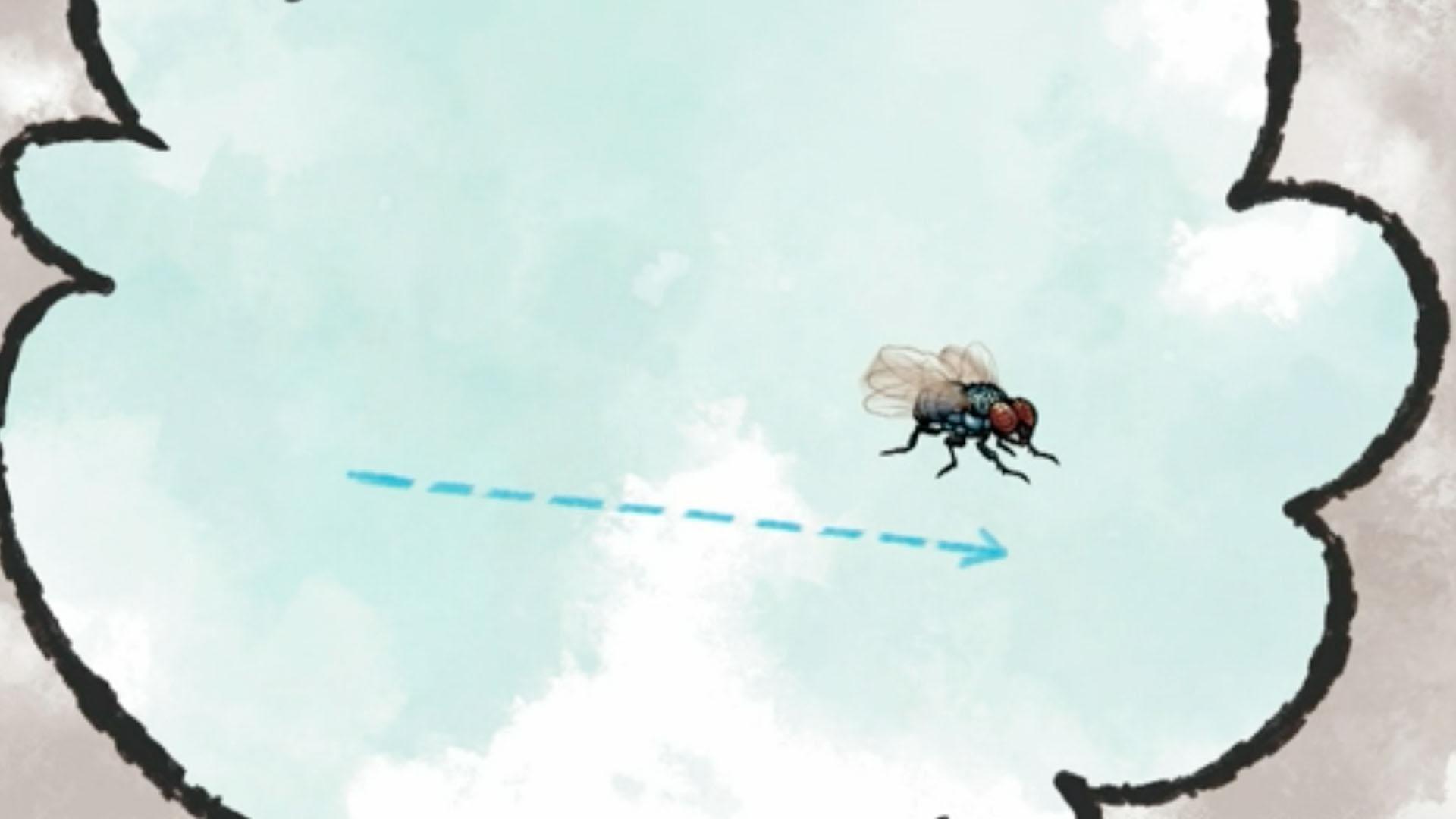
That's So Interesting!: Can a Fly Get Dizzy?
Elinor Wonders Why · 2021
3 minPre-KK1st
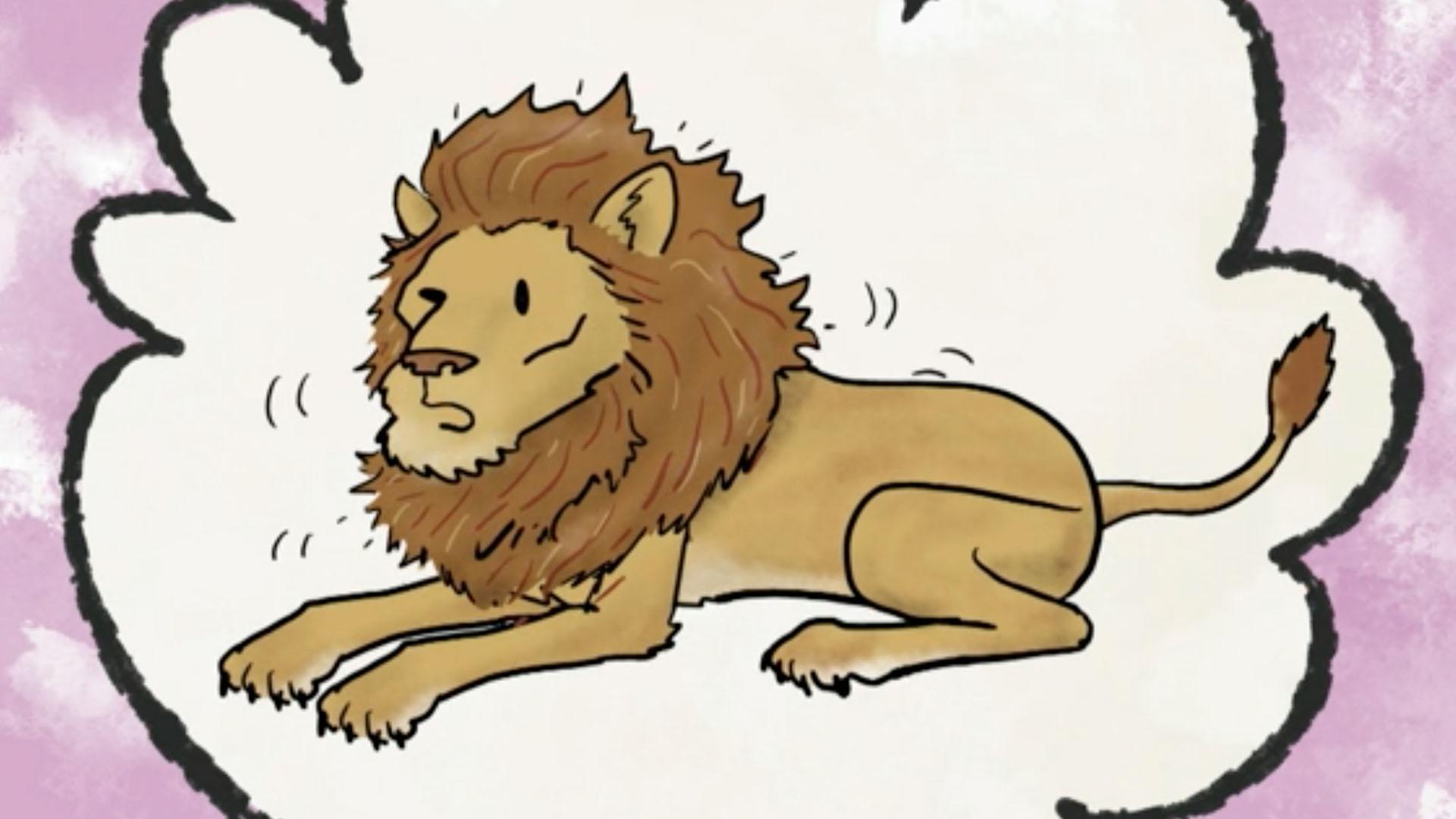
That's So Interesting!: Do Animals Get the Hiccups?
Elinor Wonders Why · 2021
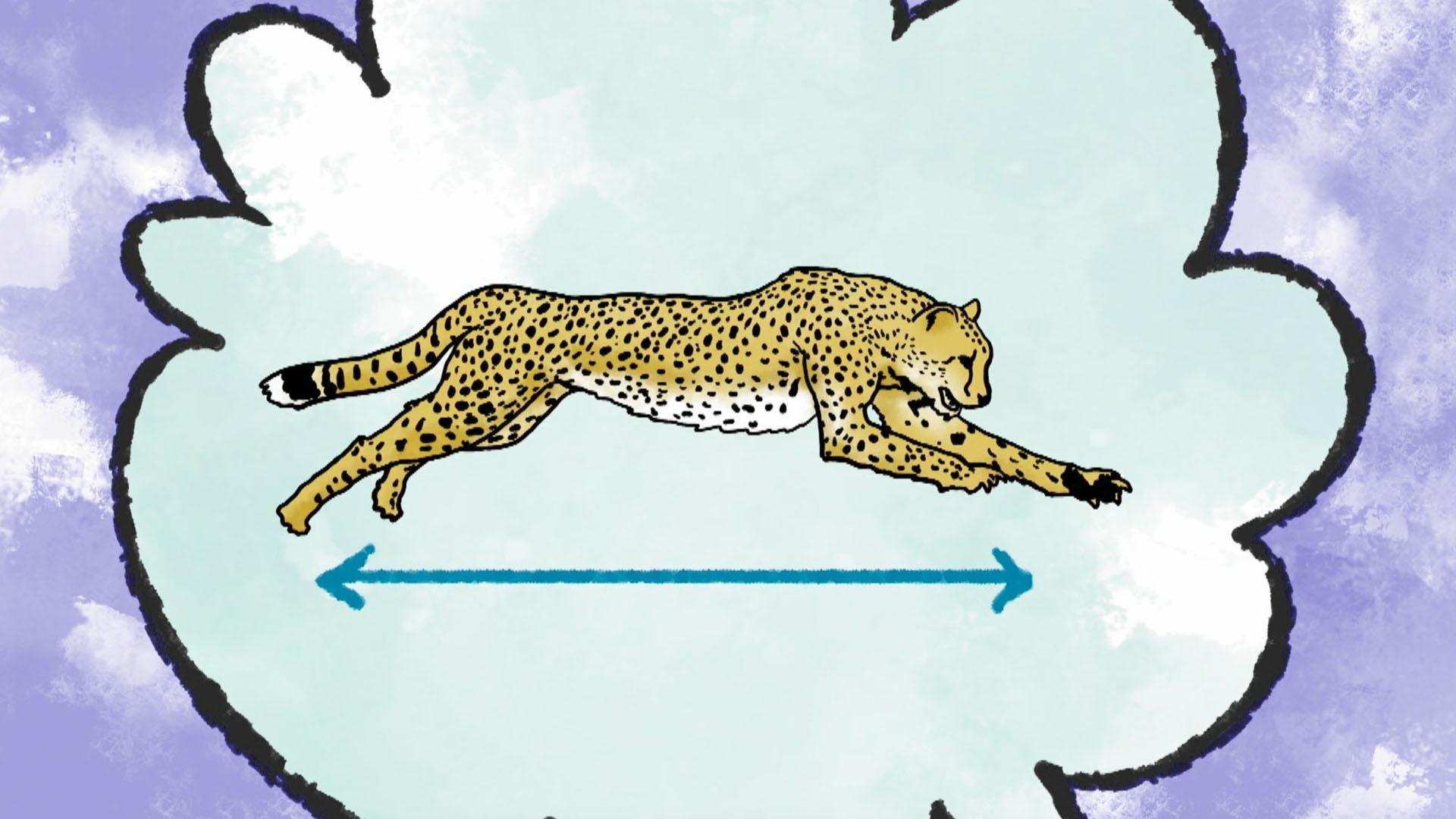
3 minPre-KK1stThat's So Interesting!: How Do Cheetahs Run So Fast?
Elinor Wonders Why · 2021
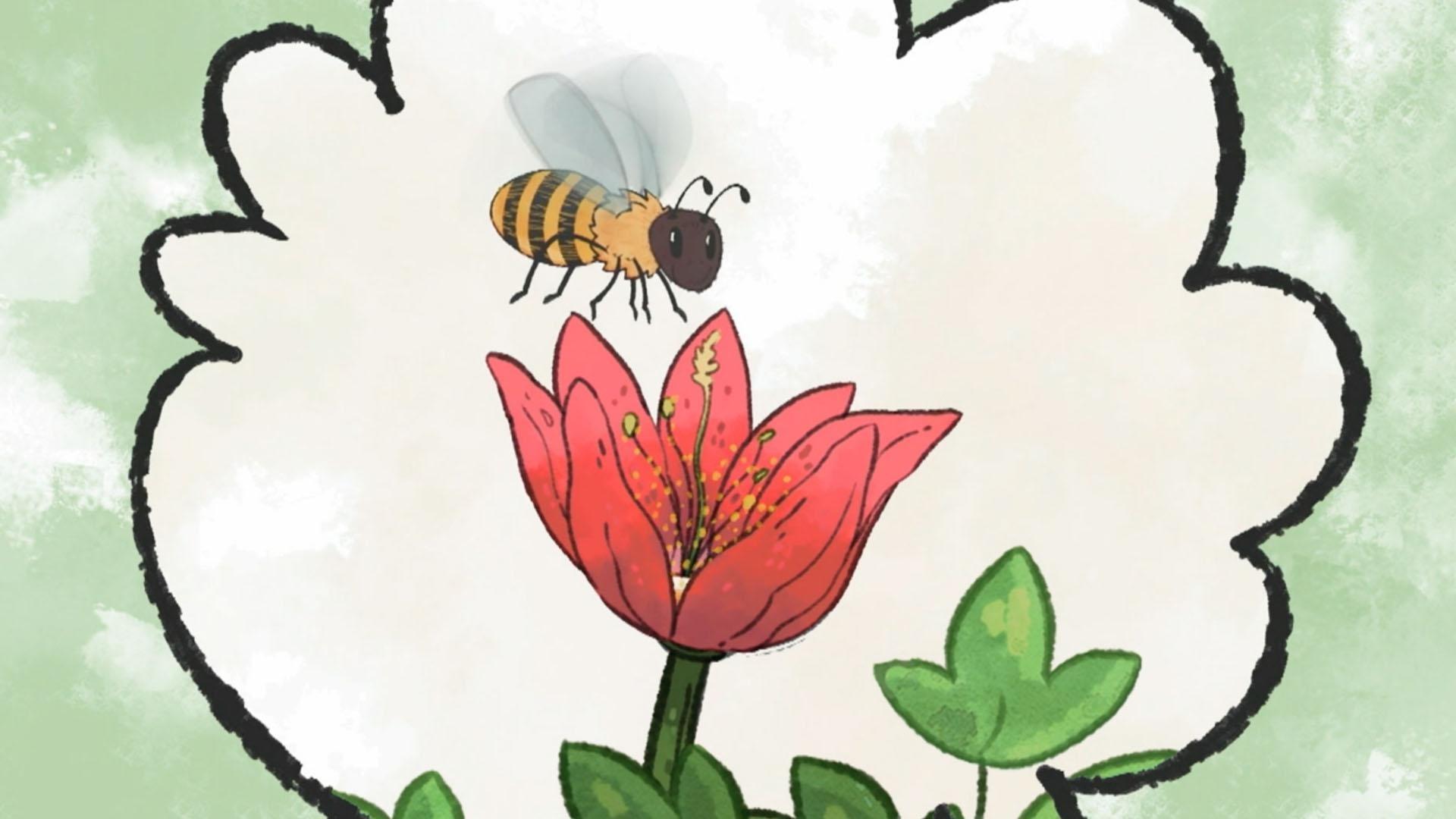
3 minPre-KK1stThat's So Interesting!: Why Are Flowers Different Colors?
Elinor Wonders Why · 2021
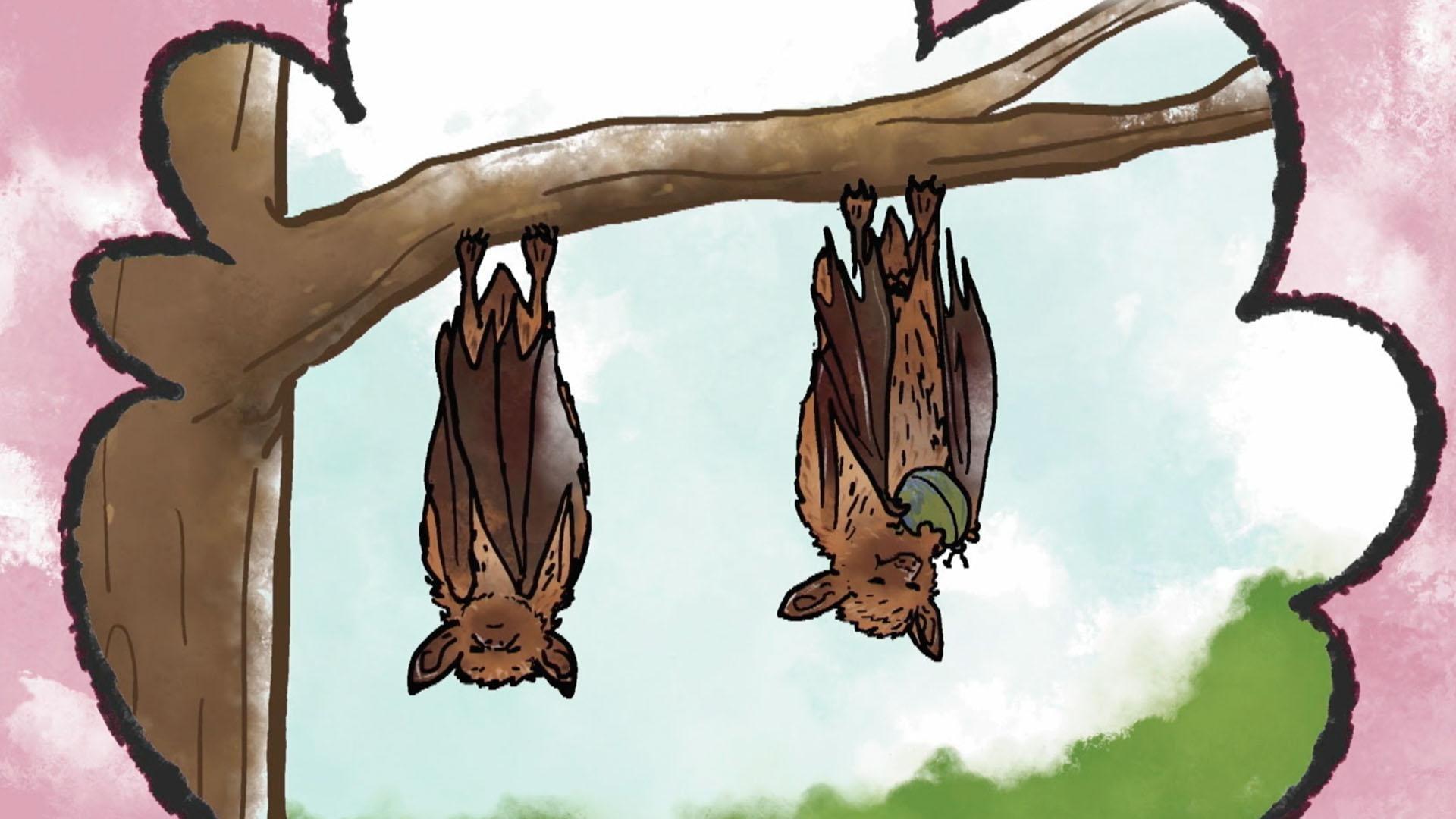
3 minPre-KK1stThat's So Interesting!: Why Do Bats Like to Hang Upside Down?
Elinor Wonders Why · 2021
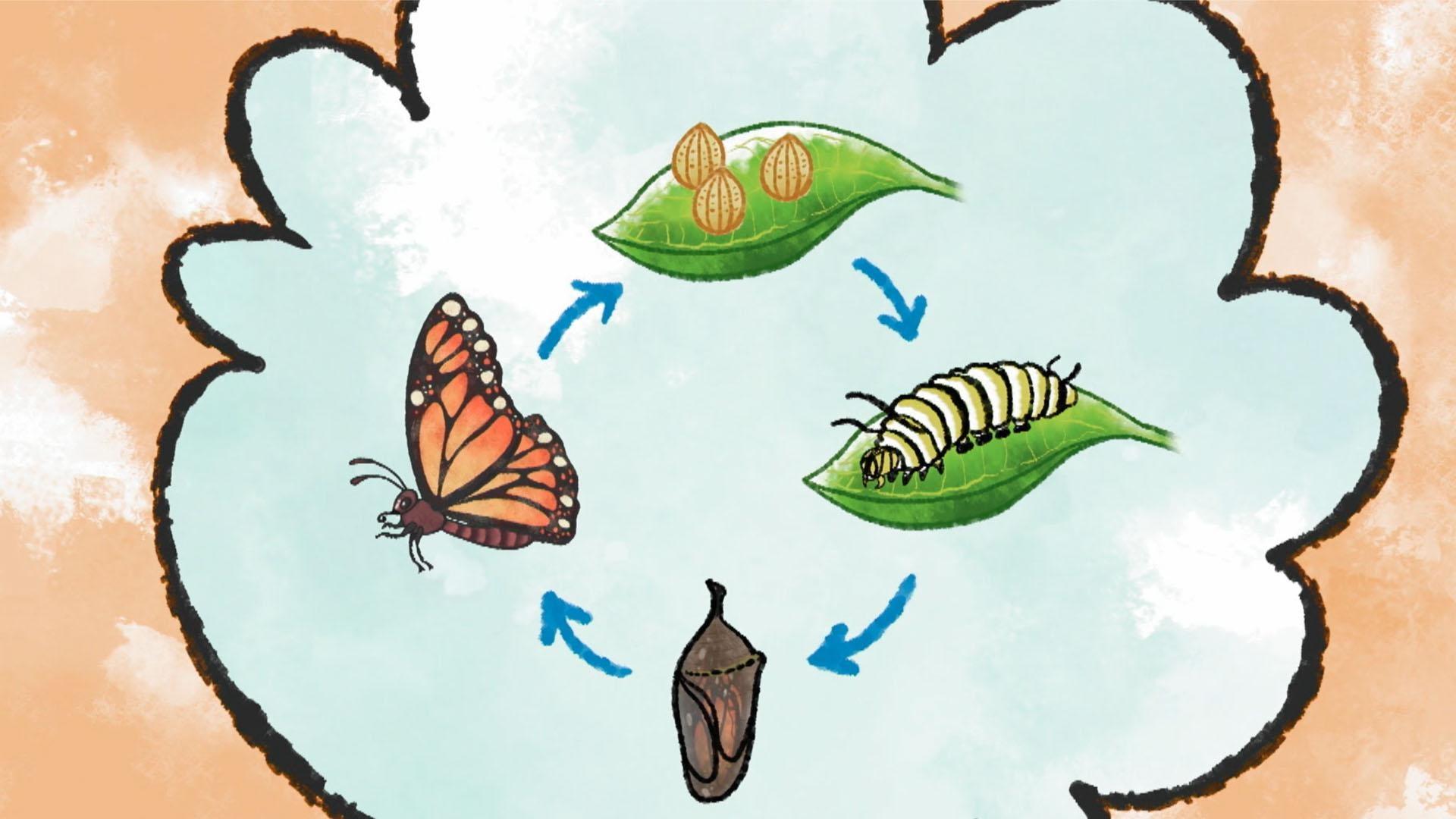
3 minPre-KK1stThat's So Interesting!: Why Do Caterpillars Turn Into Butterflies?
Elinor Wonders Why · 2021
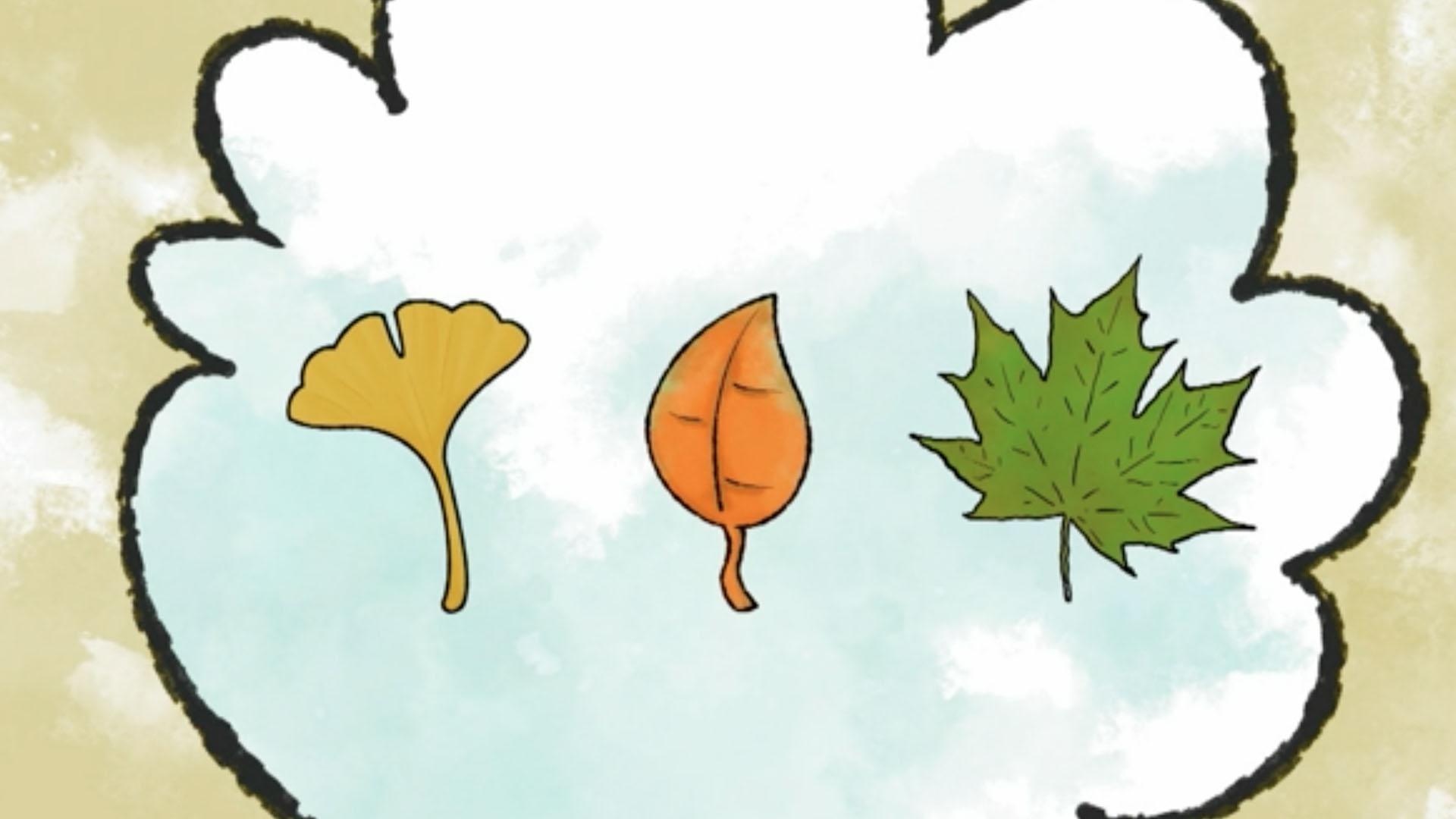
3 minPre-KK1stThat's So Interesting!: Why Do Leaves Change Colors?
Elinor Wonders Why · 2021
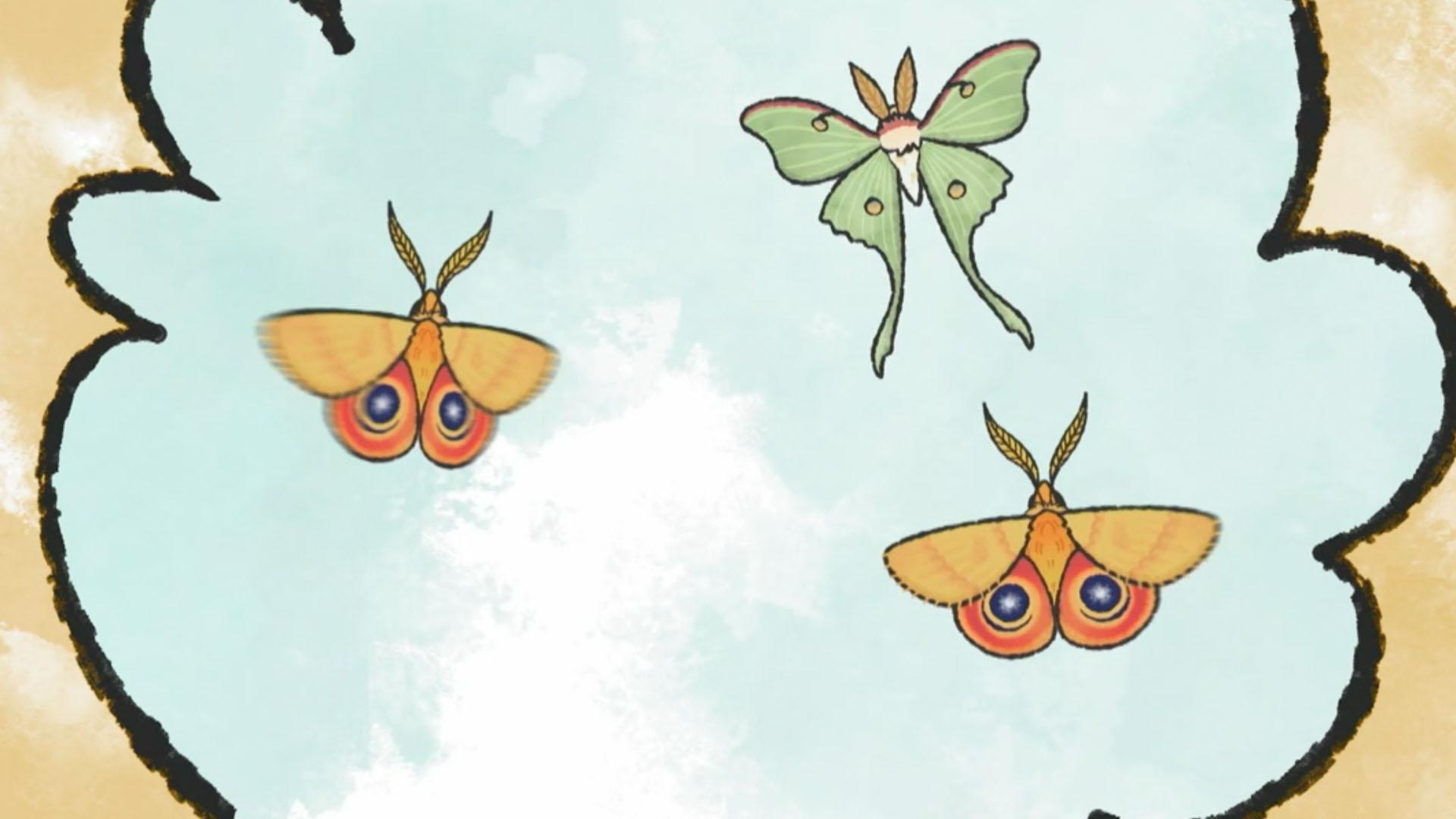
3 minPre-KK1stThat's So Interesting!: Why Do Moths Have Patterns on Their Wings?
Elinor Wonders Why · 2021
3 minPre-KK1stElinor Wonders Why: A Wonderful Journey
Elinor Wonders Why · 2022
56 minPre-KK1stHiding in Plain Sight / Owl Girl (ASL)
Elinor Wonders Why · 2020
25 minPre-KK1stBackyard Soup / Colorful and Tasty (ASL)
Elinor Wonders Why · 2020
25 minPre-KK1stThe Tomato Drop / Look What I Can Do
Elinor Wonders Why · 2020
25 minPre-KK1stThe Lizard Lounge / Feathers
Elinor Wonders Why · 2020
25 minPre-KK1stMs. Mole's Glasses / Elinor Stops the Squish
Elinor Wonders Why · 2020
25 minPre-KK1stSpeed Racer / One of These Goats
Elinor Wonders Why · 2020
25 minPre-KK1stThese Sneezes / Ari's Lucky Shirt
Elinor Wonders Why · 2021
25 minPre-KK1stFollow That Roly Poly / Rain, Rain Don't Go Away
Elinor Wonders Why · 2021
25 minPre-KK1stFeed the Birds / Señor Tapir Says Adios
Elinor Wonders Why · 2021
25 minPre-KK1stFrozen Fish / Pirate Treasure (ASL)
Elinor Wonders Why · 2021
25 minPre-KK1stBig Trees / Baby Steps
Elinor Wonders Why · 2021
25 minPre-KK1stA Change of Art / The Litterbug (ASL)
Elinor Wonders Why · 2021
25 minPre-KK1stEcho Location / Ears to You
Elinor Wonders Why · 2021
25 minPre-KK1stButterfly Party / More Than One Right Way (ASL)
Elinor Wonders Why · 2021
25 minPre-KK1stA Garden for All / Band of Explorers
Elinor Wonders Why · 2021
25 minPre-KK1st


Or use the filters above to narrow this down.