
Series
Design Squad Global
174 episodes
Short build challenges from the PBS engineering series made by GBH Kids. Most run one to eight minutes and follow the same honest loop (plan it, build it, test it, make it better), with everyday junk standing in for a lab: a balloon-powered car, a CD hovercraft, bristle bots made from a toothbrush head, a rubber-band catapult, a redesigned lunchbox, a donation box built for a real neighborhood need. A few are pure explainers, like how a 3D printer stacks an ancient artifact layer by layer. Reach for these when an upper-elementary class needs a hands-on engineering task it can run tomorrow.
What Design Squad Global covers
174 episodes in the library, tagged for 3rd–6th. Heaviest coverage: Science, Technology and Music. Between them they line up with 37 distinct standards across 4 frameworks.
Episodes per grade
- 3rd
- 174
- 4th
- 174
- 5th
- 174
- 6th
- 174
Episodes per subject
- Science
- 162
- Technology
- 144
- Music
- 5
- Art
- 3
NGSS (Science) 11
- 3-5-ETS1-1Define a simple design problem reflecting a need or a want that includes specified criteria for success and constraints on materials, time, or cost.
- 3-5-ETS1-3Plan and carry out fair tests in which variables are controlled and failure points are considered to identify aspects of a model or prototype that can be improved.
- 3-5-ETS1-2Generate and compare multiple possible solutions to a problem based on how well each is likely to meet the criteria and constraints of the problem.
- 3-PS2-1Plan and conduct an investigation to provide evidence of the effects of balanced and unbalanced forces on the motion of an object.
- 4-PS3-4Apply scientific ideas to design, test, and refine a device that converts energy from one form to another.
- 1-PS4-1Plan and conduct investigations to provide evidence that vibrating materials can make sound and that sound can make materials vibrate.
+ 5 more
- 4-PS3-2Make observations to provide evidence that energy can be transferred from place to place by sound, light, heat, and electric currents.
- 1-LS1-1Use materials to design a solution to a human problem by mimicking how plants and/or animals use their external parts to help them survive, grow, and meet their needs.
- 3-PS2-3Ask questions to determine cause-and-effect relationships of electric or magnetic interactions between two objects not in contact with each other.
- 4-ESS3-1Obtain and combine information to describe that energy and fuels are derived from natural resources and their uses affect the environment.
- 4-PS3-1Use evidence to construct an explanation relating the speed of an object to the energy of that object.
ISTE (Technology) 2
- ISTE.1.4.aDesign process: follow a deliberate design process to generate ideas and possible solutions.
- ISTE.1.4.cPrototypes: build, test, and improve prototypes through cycles of revision.
CSTA (Computer Science) 1
- 1B-CS-02Model how computer hardware and software work together as a system to accomplish tasks.
ITEEA STEL (Technology & Engineering) 23
- STEL-7IApply the technology and engineering design process.
- STEL-2LCreate a new product that improves someone's life.
- STEL-5EExplain how technologies are developed or adapted when individual or societal needs and wants change.
- STEL-4IExplain why responsible use of technology requires sustainable management of resources.
- STEL-7KInterpret how good design improves the human condition.
- STEL-2IDescribe the properties of different materials.
+ 17 more
- STEL-3CDemonstrate how simple technologies are often combined to form more complex systems.
- STEL-7NPractice successful design skills.
- STEL-1HDesign solutions by safely using tools, materials, and skills.
- STEL-2FDescribe how a subsystem is a system that operates as part of another, larger system.
- STEL-2KDescribe requirements of designing or making a product or system.
- STEL-7HIllustrate that there are multiple approaches to design.
- STEL-7JEvaluate designs based on criteria, constraints, and standards.
- STEL-7MEvaluate the strengths and weaknesses of existing design solutions, including their own solutions.
- STEL-8DFollow directions to complete a technological task.
- STEL-2JDemonstrate how tools and machines extend human capabilities, such as holding, lifting, carrying, fastening, separating, and computing.
- STEL-4FDescribe the helpful and harmful effects of technology.
- STEL-7Design in Technology and Engineering Education
- STEL-7LApply universal principles and elements of design.
- STEL-7OApply tools, techniques, and materials in a safe manner as part of the design process.
- STEL-8EUse appropriate symbols, numbers, and words to communicate key ideas about technological products and systems.
- STEL-8FIdentify why a product of system is not working properly.
- STEL-8JUse devices to control technological systems.
Every episode is vetted and tagged before it goes in. Pick your state in the filters above to see your own state’s codes alongside these.
24 of 174 results
3D Printing: Ancient Artifacts
Design Squad Global
3 min3rd4th5th6th

4-Wheel Balloon Car
Design Squad Global
2 min3rd4th5th6thAir Cannon
Design Squad Global
2 min3rd4th5th6thBackpack Trick
Design Squad Global
1 min3rd4th5th6thBalance Magic
Design Squad Global
2 min3rd4th5th6thBalloon Dress
Design Squad Global
5 min3rd4th5th6thBalloon Joust
Design Squad Global
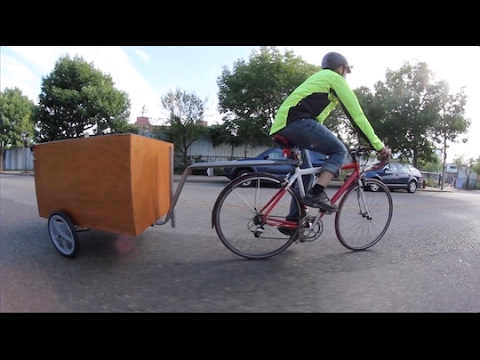
3 min3rd4th5th6thBicycle Farm Trailer
Design Squad Global
8 min3rd4th5th6thBoats with Recycled Materials
Design Squad Global
4 min3rd4th5th6thBristle Bots
Design Squad Global
3 min3rd4th5th6thBubble Hat
Design Squad Global
5 min3rd4th5th6thBubble Wrap
Design Squad Global
3 min3rd4th5th6thBuild a Better Lunchbox
Design Squad Global
3 min3rd4th5th6thBuild a Catapult
Design Squad Global
6 min3rd4th5th6thBuild a Donation Box
Design Squad Global
7 min3rd4th5th6thBuild A Fidgit Factory
Design Squad Global
2 min3rd4th5th6thBuild It Better
Design Squad Global
2 min3rd4th5th6thBuild your own Hovercraft
Design Squad Global
2 min3rd4th5th6thBuild: Bicycle Balance
Design Squad Global
7 min3rd4th5th6thBuilding a Xylophone
Design Squad Global
1 min3rd4th5th6thCable Cars
Design Squad Global
1 min3rd4th5th6thCan a Bike Power a Blender?
Design Squad Global
4 min3rd4th5th6thChain Reaction Machine
Design Squad Global
3 min3rd4th5th6thChicken Feeder Challenge
Design Squad Global
7 min3rd4th5th6th






Or use the filters above to narrow this down.