Series
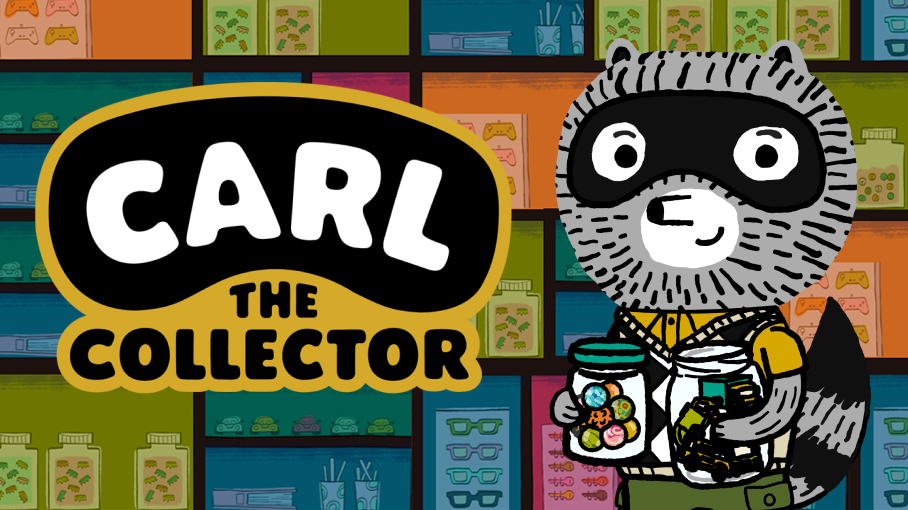
Carl the Collector
27 episodes
Carl collects things, and the show says out loud that he is autistic rather than leaving it implied. Each 23-minute entry in Fuzzytown holds two stories. Collections drive some of them, including buttons salvaged from a broken mug, marbles, pine cones, a plushie pile that outgrows the room, and a good new word like "shindig." Others sit with something harder: a meltdown when excitement about an ice-cream festival tips over, Carl explaining himself to his friends after Nico takes a tumble, hearing music as colors and learning that not everyone does. Warm and slow, specific about feelings without getting clinical.
What Carl the Collector covers
27 episodes in the library, tagged for Pre-K–2nd. Heaviest coverage: Social-Emotional Learning, Reading & Writing (ELA) and For Fun. Between them they line up with 27 distinct standards across 3 frameworks.
Episodes per grade
- Pre-K
- 27
- K
- 27
- 1st
- 27
- 2nd
- 27
Episodes per subject
- Social-Emotional Learning
- 27
- Reading & Writing (ELA)
- 1
- For Fun
- 1
- Music
- 1
Common Core — ELA 2
- L.1.6Use words and phrases acquired through conversations, reading and being read to, and responding to texts.
- L.2.6Use words and phrases acquired through conversations, reading and being read to, and responding to texts.
National Core Arts 2
- MU:Re8.1.1aWith limited guidance, demonstrate and identify expressive qualities (such as dynamics and tempo) that reflect creators’/ performers’ expressive intent.
- MU:Re8.1.2aDemonstrate knowledge of music concepts and how they support creators’/ performers’ expressive intent.
CASEL (Social-Emotional) 23
- CASEL.SM.1Manage strong emotions and impulses instead of acting on them right away.
- CASEL.SM.2Use calming and stress-management strategies (deep breaths, a break, asking for space).
- CASEL.RS.3Practice teamwork and solve problems collaboratively.
- CASEL.SA.3Recognize your own strengths, interests, and the assets you bring from your family and culture.
- CASEL.SA.4Show honesty and integrity, including admitting mistakes.
- CASEL.RDM.1Demonstrate curiosity and open-mindedness.
+ 17 more
- CASEL.RDM.2Identify solutions to personal and social problems.
- CASEL.RS.1Communicate clearly and listen actively.
- CASEL.RS.4Resolve conflicts constructively — talk it out, repair, compromise.
- CASEL.SA.1Name your own feelings and notice how they change during the day.
- CASEL.SA.5Show self-confidence — believe you can do hard things and take on a challenge.
- CASEL.SM.5Use planning and organizational skills to break a task into steps and manage time and materials.
- CASEL.SOA.2Demonstrate empathy and compassion for others.
- CASEL.SOA.4Recognize strengths in others and say what you appreciate about them.
- CASEL.RDM.4Anticipate and evaluate the consequences of your actions before you act.
- CASEL.RDM.6Reflect on your role in the well-being of your family, classroom, and community.
- CASEL.RS.2Build and keep positive relationships and friendships.
- CASEL.RS.8Stand up for the rights of others.
- CASEL.RS.9Show respect and cultural competency across differences in background, language, and ability.
- CASEL.SA.6Hold a growth mindset: treat effort, practice, and mistakes as how ability grows.
- CASEL.SOA.1Take another person's perspective — describe a situation as they would see it.
- CASEL.SOA.3Show concern for other people's feelings and respond to them with care.
- CASEL.SOA.5Understand and express gratitude.
Every episode is vetted and tagged before it goes in. Pick your state in the filters above to see your own state’s codes alongside these.
27 results
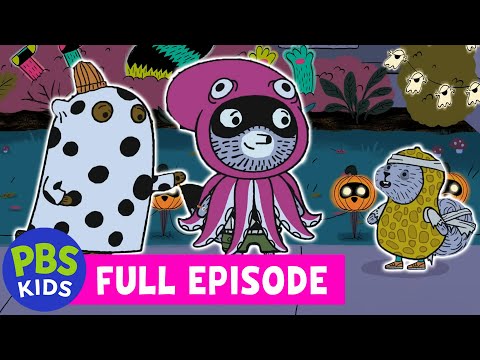
A Fuzzytown Halloween
Carl the Collector · 2024
23 minPre-KK1st2nd

The Autograph Collection / The Rope Collection
Carl the Collector · 2024
23 minPre-KK1st2ndThe Sticker Collection / The Baby Stuff Collection
Carl the Collector · 2024
23 minPre-KK1st2ndThe Plushie Collection / The Bouncy Ball Collection
Carl the Collector · 2024
23 minPre-KK1st2ndThe Puffball Collection / The Bottle Cap Collection
Carl the Collector · 2024
23 minPre-KK1st2ndThe Tool Collection / The Stick Collection
Carl the Collector · 2024
23 minPre-KK1st2ndThe Fake Mustache Collection / The Lint Dinosaur Collection
Carl the Collector · 2024
23 minPre-KK1st2ndThe Remote Control Collection / The Super Blue Moon Sleepover
Carl the Collector · 2024
23 minPre-KK1st2ndLemons! / The Butterfly Collection
Carl the Collector · 2024
23 minPre-KK1st2ndThe Magic Trick Collection / Listen Coach
Carl the Collector · 2024
23 minPre-KK1st2ndA Collection to Get Rid Of / The Button Collection
Carl the Collector · 2024
23 minPre-KK1st2ndA Forrest of Plans / The Marble Collection
Carl the Collector · 2024
23 minPre-KK1st2ndA Wiggle Waggle Worries / The Pine Cone Collection
Carl the Collector · 2024
23 minPre-KK1st2ndThe Fall / The Word Collection
Carl the Collector · 2024
23 minPre-KK1st2ndWhole Lotta Lotta / Leaf It to Carl
Carl the Collector · 2024
23 minPre-KK1st2ndRhythm Blues / Giving Up the Ship
Carl the Collector · 2025
23 minPre-KK1st2ndThe Artifact Collection / Mothership Day
Carl the Collector · 2025
23 minPre-KK1st2ndThe Lost Yo-Yo / Rainy Day
Carl the Collector · 2025
23 minPre-KK1st2ndTwin Sister Hamster Sitters Inc. / The Sneaker Collection
Carl the Collector · 2025
23 minPre-KK1st2ndThe Gratitude Collection / The Pet Rock Collection
Carl the Collector · 2025
23 minPre-KK1st2ndThe Potato Collection / Nico and the Nutty Buddies
Carl the Collector · 2025
23 minPre-KK1st2ndThe Green Piece / The FuzzyWorld Book of Records
Carl the Collector · 2025
23 minPre-KK1st2ndThe Crayonverters Collection / Lotta's New Instrument
Carl the Collector · 2026
23 minPre-KK1st2ndThe Meltdown / Carl's Cast
Carl the Collector · 2026
23 minPre-KK1st2ndThe Sweater Collection / New Bus Stop
Carl the Collector · 2026
23 minPre-KK1st2ndShow and Smell / The Campfire Conundrum
Carl the Collector · 2026
23 minPre-KK1st2ndA New Friend / Lotta the Copycat
Carl the Collector · 2025
23 minPre-KK1st2nd